India’s Supreme Court Orders Peaceful Conduct Over Bhoj Shala Dispute
Synced from Source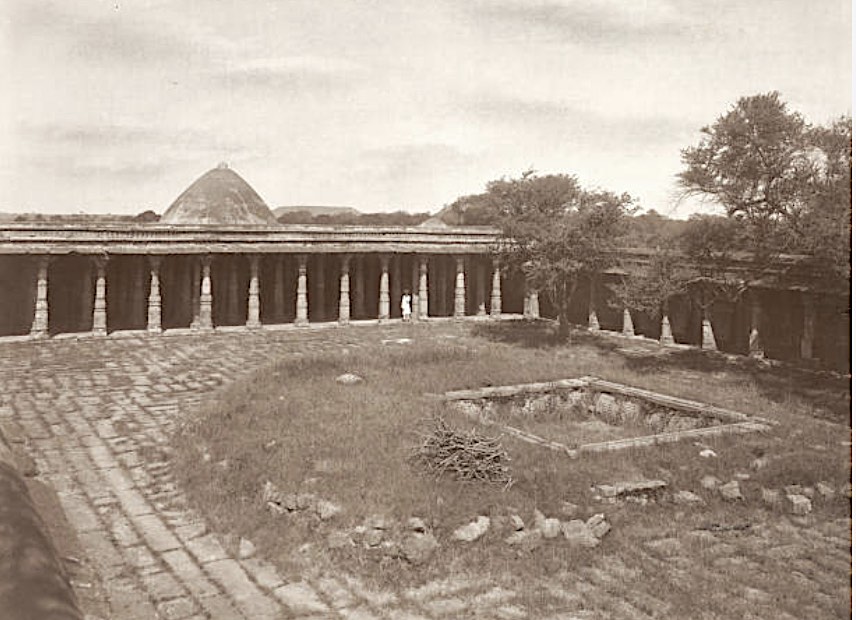
NEW DELHI: The Supreme Court of India mandated that rituals for Basant Panchami and Juma Namaz be conducted peacefully at the disputed Bhoj Shala-Kamal Maula Mosque complex. Both communities agreed to cooperate to ensure law and order, while the archaeological survey of the site continues unresolved.
NEW DELHI: The Supreme Court of India issued a crucial directive on Thursday, ensuring that both the celebrations of Basant Panchami and Juma Namaz occur peacefully at the Bhoj Shala-Kamal Maula Mosque complex in Madhya Pradesh. This site has been a flashpoint of contention between Hindu and Muslim communities regarding its religious identity.
The bench, led by Chief Justice Surya Kant, was deliberating on a plea from the Hindu Front for Justice, requesting permission for a full day of rituals on January 23, coinciding with Basant Panchami. Hindus view the 11th-century Bhojshala as a temple dedicated to Goddess Saraswati, whereas Muslims recognize it as the Kamal Maula Mosque. A 2003 agreement stipulates that Hindus perform rituals on Tuesdays and Muslims on Fridays. The court's directives aim to maintain harmony amid divergent viewpoints.
Advocate Vishnu Shankar Jain, representing the Hindu side, highlighted the need for uninterrupted celebratory pujas throughout the day. Meanwhile, Senior Advocate Salman Khurshid, defending the mosque's interests, confirmed that Juma Namaz, typically observed between 1 PM and 3 PM, would necessitate a designated space within the complex to accommodate worshippers. The court explored options for managing attendance, suggesting collaboration with local authorities to facilitate smooth operations for both faiths.
This judicial intervention comes amidst an ongoing High Court case challenging an archaeological survey of the site, which remains contentious among the communities involved. The Supreme Court had earlier ruled to allow the survey but prohibited any alterations to the site's character. The ongoing survey is crucial for understanding the historical significance and religious claims that have fueled the dispute.
The court appealed to both communities to respect each other's rights and collaborate with local law enforcement to prevent disturbances during these significant events. As tensions remain, this order seeks to foster peace and mutual respect as both celebrations approach. The outcome of this case and the results of the archaeological survey will likely have lasting implications for communal relations in the region.
Discussion
Loading comments...