Supreme Court to Weigh Sonam Wangchuk's Detention After Lawyer's Argument
Synced from Source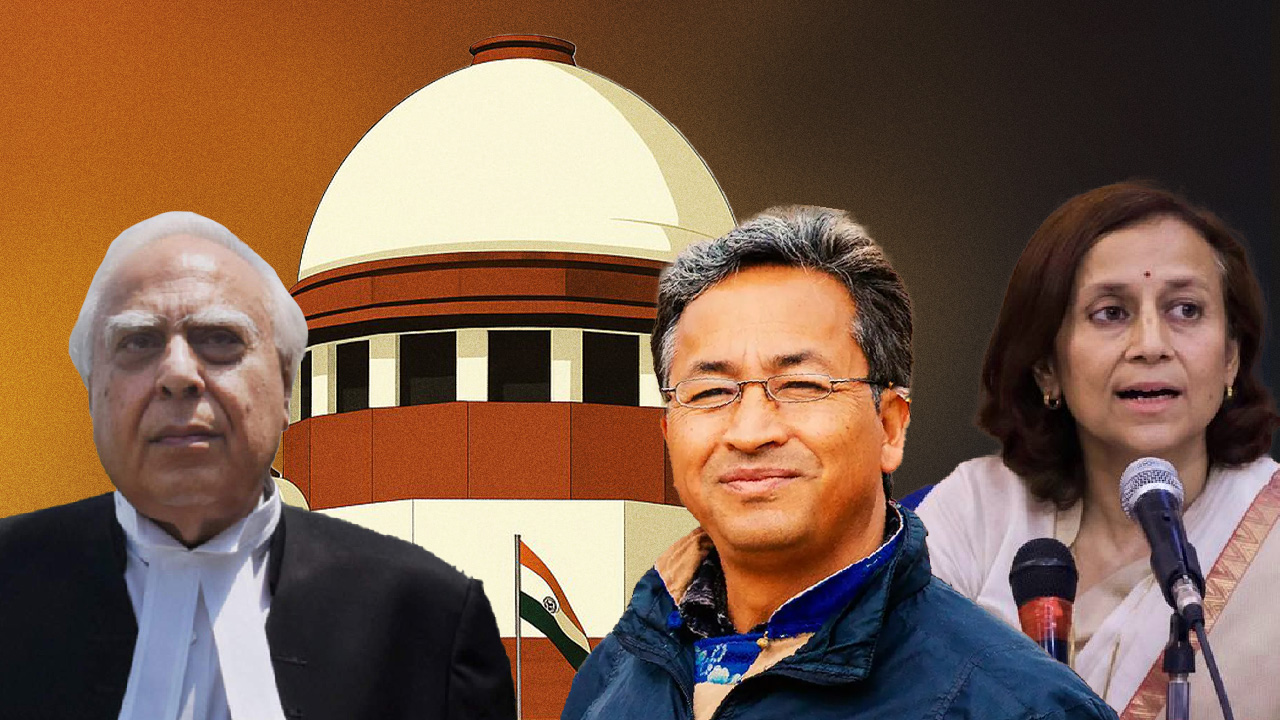
DELHI: The Supreme Court is hearing a habeas corpus petition on Sonam Wangchuk’s detention under the National Security Act, 1980. Lawyer Kapil Sibal argues that crucial evidence was withheld, violating Wangchuk’s constitutional rights. The case raises significant concerns over civil liberties amid rising tensions in Ladakh.
DELHI: The Supreme Court heard a habeas corpus petition on Thursday challenging the detention of Ladakh social activist Sonam Wangchuk under the National Security Act of 1980. Represented by Senior Advocate Kapil Sibal, the petition outlines serious allegations of procedural violations related to Wangchuk’s detention.
Sibal asserted that the detention order, issued on September 26, 2025, was based on four videos that were not disclosed to Wangchuk until after the 28-day statutory deadline. He emphasized that withholding evidence relied upon for the detention order constitutes a violation of Article 22 of the Constitution, which guarantees certain rights to individuals facing preventative detention. “If documents relied upon in the grounds of detention are not supplied, the detention order stands vitiated,” Sibal stated.
During the hearing, Sibal highlighted that the videos were essential to forming a fair representation and that Wangchuk had repeatedly sought access to them without success. He argued that the speech Wangchuk delivered at a protest after his hunger strike was misrepresented as inciting violence, when in fact it called for peace and an end to unrest. “This speech was not a call to violence; it was an appeal for calm,” Sibal articulated while presenting the video to the court.
The implications of this case extend beyond Wangchuk's personal liberty. The proceedings raise critical questions about the enforcement of civil rights and the balance between state security and individual freedoms in regions experiencing unrest. The use of the National Security Act in these circumstances highlights ongoing tensions in Ladakh, where citizens are increasingly concerned about their rights amid state interventions.
As the hearing unfolded, Sibal drew parallels to historical peace movements, emphasizing that Wangchuk's actions were rooted in non-violence and civil disobedience. The Supreme Court's decision in this case could set a significant precedent for future detentions made under contentious laws, and for the protection of individual rights in a democracy. The court's scrutiny of the legal processes surrounding Wangchuk's detention brings a renewed focus on human rights compliance in India's security legislation.
Discussion
Loading comments...