Congress Questions Government's Cohesion on Russian Oil Deal
Synced from Source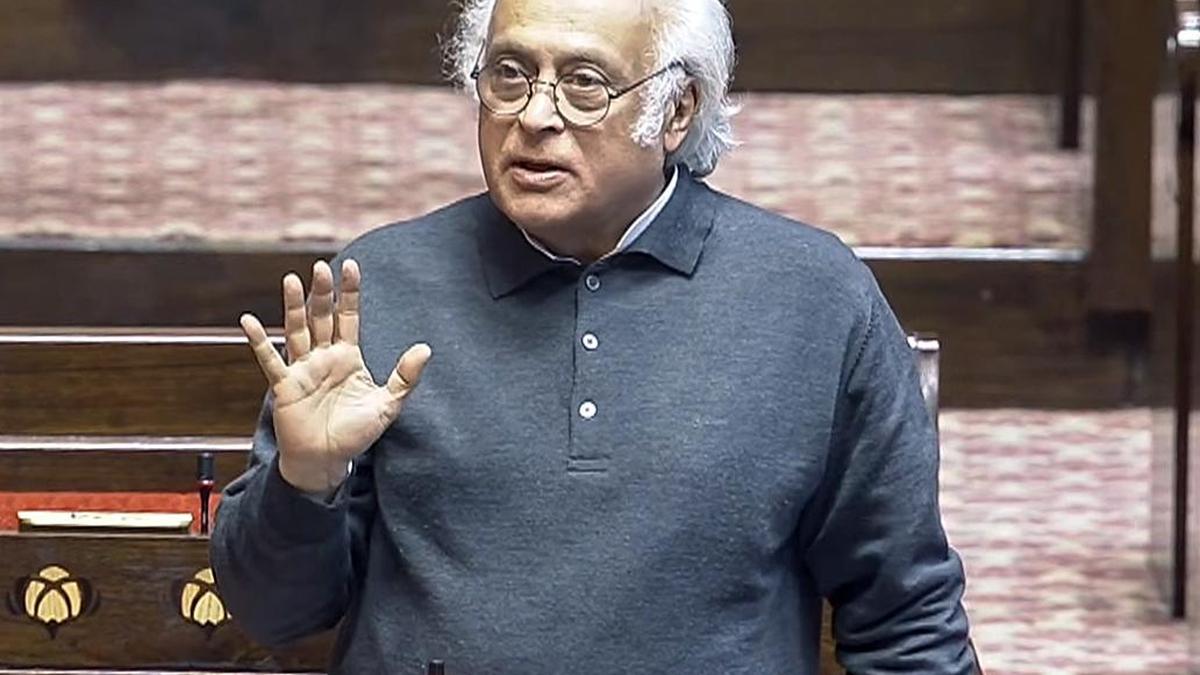
NEW DELHI: The Congress Party criticized the Indian government's handling of comments made by ministers regarding the Russian oil matter. Jairam Ramesh highlighted confusion among ministers over U.S.-India trade agreements, calling it a "hole in government" approach. The coalition attempts to secure energy purchases while managing import tariffs remain a contentious issue.
NEW DELHI: The Congress Party's general secretary in-charge of communications, Jairam Ramesh, recently lambasted the Indian government's coherence regarding statements made by External Affairs Minister S. Jaishankar and Commerce Minister Piyush Goyal concerning the Russian oil issue and the ongoing U.S.-India trade negotiations. Ramesh remarked that the government appears disjointed and ineffective, stating, “Prime Minister Narendra Modi talks big of what he calls a 'whole of government' approach," referring to the lack of coordination among key ministers.
According to Ramesh, both Jaishankar and Goyal have evaded direct responsibility for the complex trade discussions, with each minister deflecting questions to the other. Ramesh elaborated, “The Commerce Minister says to ask the External Affairs Minister, while the External Affairs Minister directs us back to the Commerce Minister. Meanwhile, the Petroleum Minister is absorbed with other issues.” He deemed this a "hole in government" that could undermine India's bargaining position in significant trade agreements with the United States.
The backdrop to this political critique includes a joint statement released on February 7, 2026, announcing the framework for the first phase of a trade agreement between India and the U.S. Notably, India aims to purchase $500 billion in U.S. energy products, aircraft, and a range of technology products over the next five years. Concurrently, the U.S. is expected to reduce tariffs on Indian goods to 18%, a move that was part of efforts by U.S. President Donald Trump to alleviate previous burdensome tariffs on Indian purchases of Russian oil.
Goyal has reassured domestic stakeholders that adequate safeguards within the trade agreement would protect Indian farmers and local industries from potential surges in imports, countering concerns raised during an already complex and contentious negotiation process. This ongoing dialogue highlights the challenges faced by the Indian government as it navigates international trade complexities while responding to domestic political scrutiny.
Discussion
Loading comments...