Ananda Bose Resigns as Bengal Governor, Keeps Reasons Confidential
Synced from Source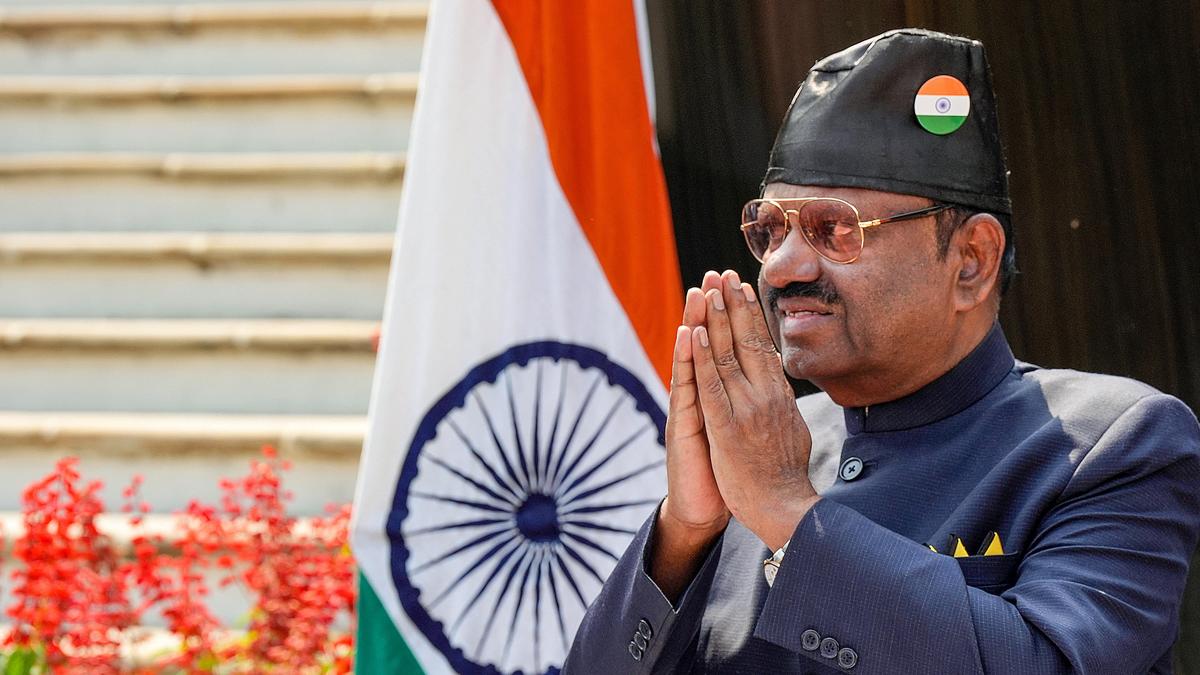
KOLKATA: C.V. Ananda Bose resigned as West Bengal Governor, citing a "conscious decision." He stated his reasons for resigning will remain confidential. Bose pointedly refrained from addressing comments made by President Droupadi Murmu regarding tribal issues in the state.
KOLKATA: C.V. Ananda Bose, the Governor of West Bengal, announced on March 8, 2026, that he has submitted his resignation, describing it as a "conscious decision." Speaking to reporters at the Kolkata airport, he maintained that the reasons behind this significant move would remain confidential until a more appropriate time arises.
Bose, originally from Kerala, recently adjusted his voting base to Bengal, just a week before his resignation. He expressed his commitment to returning to Bengal to fulfill his voting responsibility, indicating that he remains invested in the democratic process despite stepping down from his official role.
“The rules of this game include knowing when it ends,” Bose remarked, a comment which hints at the complexity of political life. This resignation might stem from numerous factors, reflecting both personal convictions and external pressures in the political landscape.
When questioned regarding President Droupadi Murmu’s recent statements on alleged protocol breaches and the perceived deprivation of tribal rights in West Bengal, Bose skillfully sidestepped a direct response. “The President is very experienced, balanced, and an extremely dignified person. She must have had her reasons for saying what she said,” he noted, showing deference to the President while maintaining ambiguity about his stance on the issues raised.
Bose’s decision to resign has sparked conversations surrounding governance and accountability in the state, especially as it comes amid broader speculations regarding political dynamics in West Bengal. The implications of his resignation could resonate beyond the immediate political sphere, impacting public sentiment and future governance strategies in the region.
Discussion
Loading comments...