India Arrests Prominent Climate Activist for Campaigning Against Fossil Fuels
Synced from Source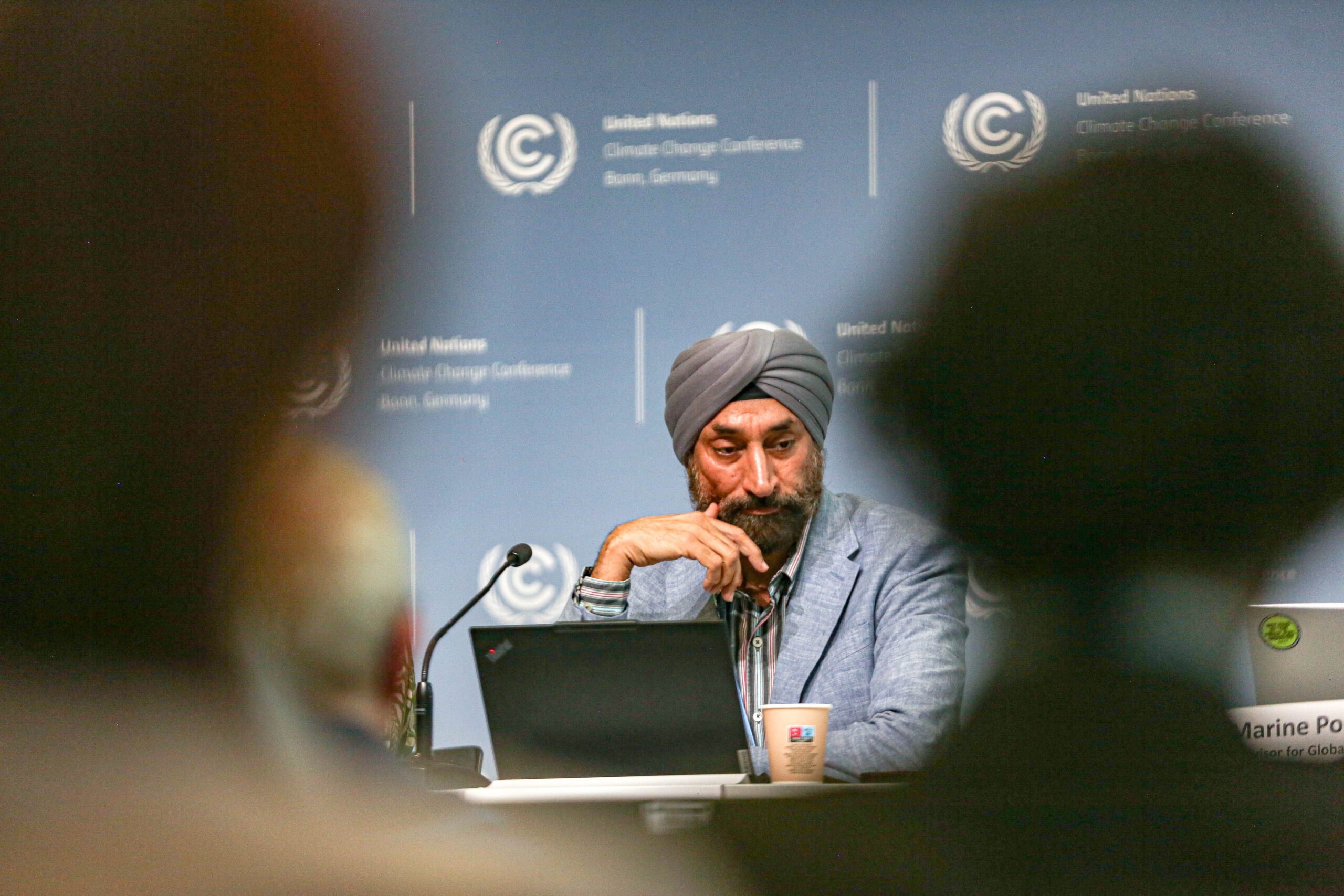
DELHI: Indian police have arrested prominent climate activist Harjeet Singh following a government raid on his home and offices, accusing him of jeopardizing national energy security. Singh's organization, Satat Sampada, faces scrutiny over alleged foreign funding to promote climate initiatives. The case highlights the increasing tension between climate activists and government responses to fossil fuel policies in India.
DELHI: Indian police have launched a significant raid targeting prominent climate activists, leading to the arrest of Harjeet Singh, a key figure in the campaign against fossil fuels. The Enforcement Directorate (ED) carried out the operation on Monday, alleging that Singh and his partner, Jyoti Awasthi, posed a threat to the nation's energy security through their advocacy work. Singh's arrest follows scrutiny of their organization, Satat Sampada Private Limited, amid claims of illegally utilizing foreign funding for environmental campaigns associated with the Fossil Fuel Non-Proliferation Treaty (FF-NPT).
The FF-NPT is a global initiative aimed at advocating for a reduction and eventual cessation of fossil fuel projects, a concept supported by several countries, including India, when cited by regional leaders at climate discussions. However, the Indian government perceives support for this treaty as a potential legal risk that could challenge the nation’s energy strategy. In a recent press statement, the ED emphasized that while the advocate’s statements may appear as climate initiatives, they could compromise India’s development and expose it to international litigation.
As the dust settled from the raids, it was revealed that Singh had been released on bail, highlighting the controversies facing the ED over its explanation of foreign funding ties to climate activism. “We categorically state that the allegations being reported are baseless, biased, and misleading,” declared the duo in a subsequent statement, underscoring their commitment to transparency in the investigation. Singh remains a vocal advocate for global climate responsibility, calling on developed nations to support their counterparts in adapting to climate change and reducing emissions.
Critics argue that the government's crackdown on activists is reflective of a broader trend where authorities limit civil society's ability to operate freely, especially regarding funding. This comes in the wake of the 2020 Indian Foreign Contribution (Regulation) Amendment Bill, which imposed stringent regulations on foreign donations to organizations within India. As more voices raise concerns about the implications for environmental justice and activism, the incident serves as a litmus test for the Indian government’s stance on climate action amid rising global awareness of climate change.
Discussion
Loading comments...