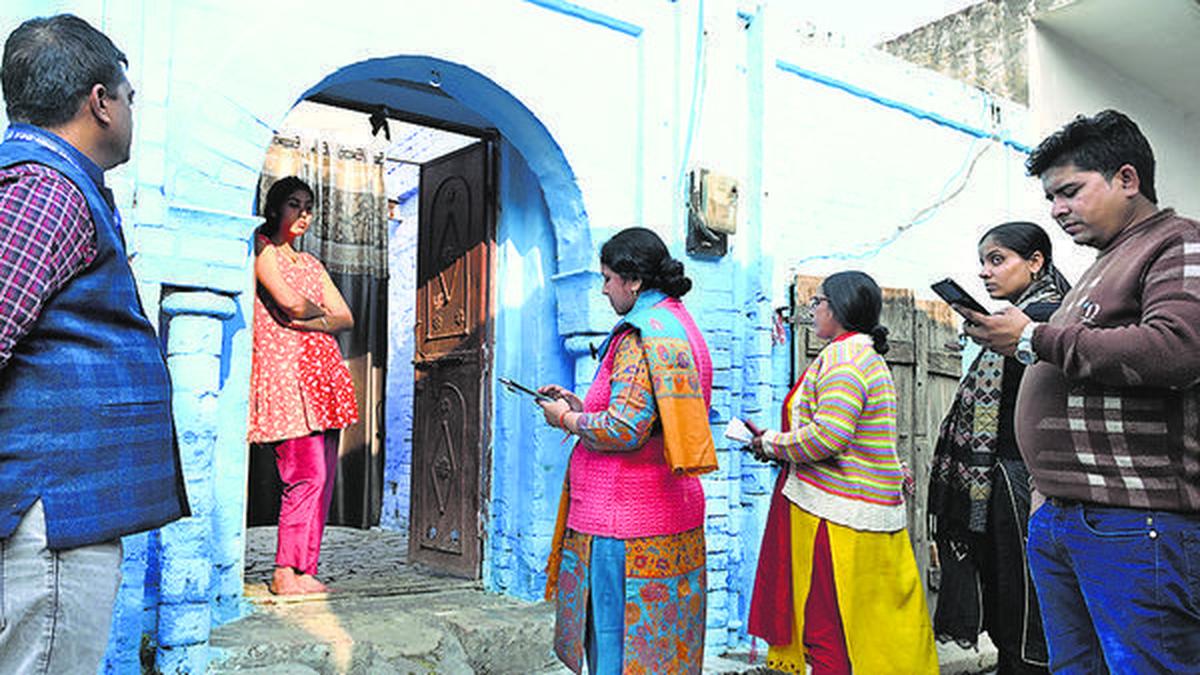
NEW DELHI: India has initiated the first phase of Census 2027, launching self-enumeration that features 33 significant questions. Starting today, the census aims to gather comprehensive housing and demographic information across the nation, with a focus on married and live-in couples. Collecting accurate data is critical for informed policymaking as the country prepares for future challenges.
NEW DELHI: The Government of India has officially kicked off the first phase of Census 2027, introducing a self-enumeration portal designed to facilitate the collection of essential demographic data. Starting today, citizens can answer 33 questions related to their households as officials embark on the vital task of gathering data about housing and living conditions across the nation.
One of the highlights of the FAQ section on the self-enumeration portal addresses a contemporary social issue: it clarifies that individuals in live-in relationships who regard their bond as a stable union will be treated as married couples for census purposes. This marks a significant shift towards inclusivity in how family structures are perceived in official data collection.
The questions posed in this initial phase will cover various aspects such as the materials used in housing construction, the number of persons residing in each household, and the demographics of the household head, including caste identification. These inquiries will be fundamental in understanding living standards and demographic trends across India.
"Accurate data collection is key for effective policy decision-making," said a census official. "The decisions made by the government hinge on these insights, and we encourage full participation from every household."
Why does this matter? The Census not only serves as a tool for governance; it is integral to various public services, including health, education, and infrastructure planning. Data gathered may influence how resources are allocated to address pressing societal needs and improve the quality of life for millions.
As India moves toward the second phase of the Census, scheduled for February 2027, questions regarding population enumeration, including caste dynamics, are yet to be disclosed, indicating the government’s approach to shaping future policies based on comprehensive data collection.
Discussion
Loading comments...