Trump Alleges US Sent Weapons to Iranian Protestors
Synced from Source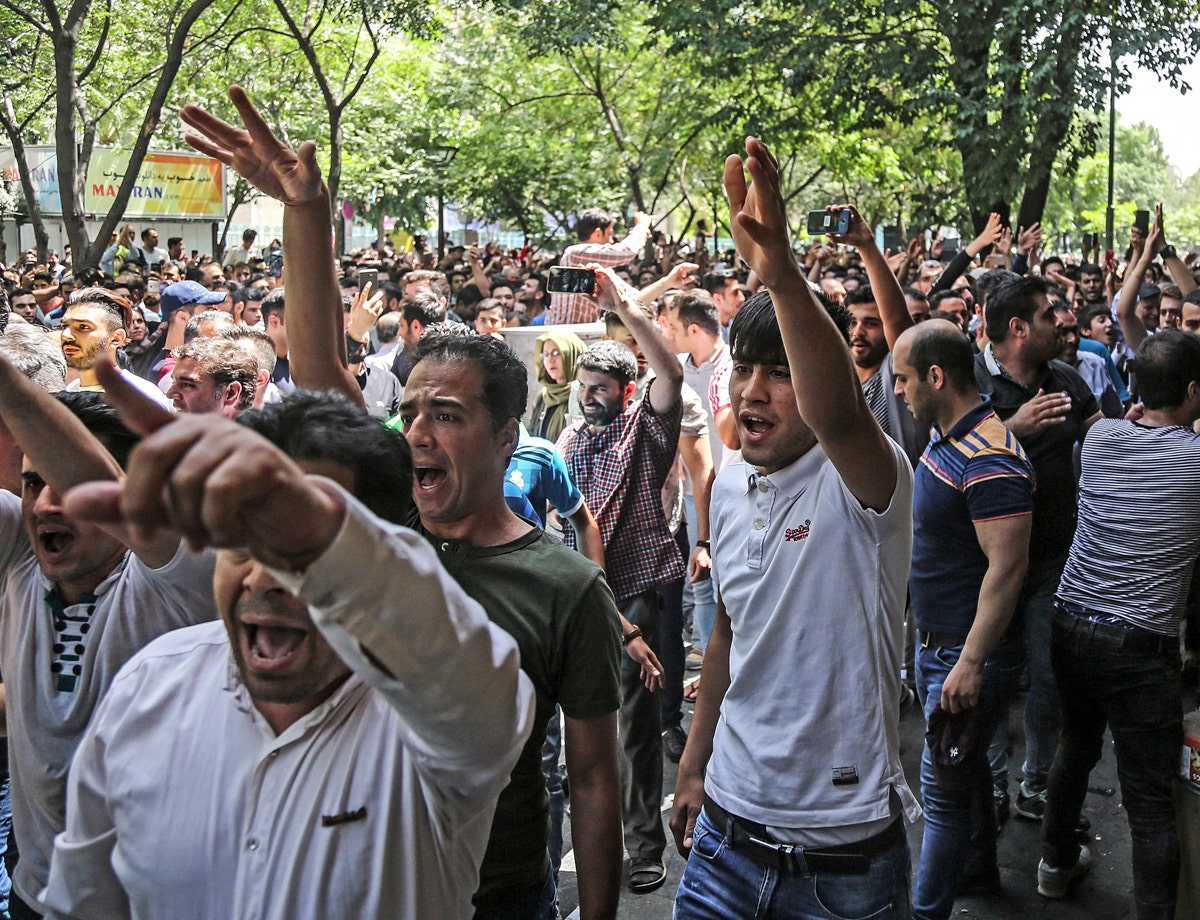
WASHINGTON: Former President Donald Trump claims that the U.S. provided weapons to Iranian protestors amid ongoing anti-regime demonstrations. He asserted that the Kurdish forces might have retained these arms, emphasizing U.S. involvement. This allegation raises questions about international arms dealings and U.S. foreign policy concerning Iran.
WASHINGTON: In a striking statement, former President Donald Trump claimed that the United States sent firearms to Iranian protestors currently engaged in anti-regime demonstrations. Speaking during a press conference, Trump suggested a connection between the U.S. government’s foreign policy and the actions of pro-democracy protestors in Iran, stating, "I think the Kurds kept them," referring to potential Kurdish forces that may have received those weapons.
This assertion comes at a time when Iran has seen widespread unrest, with demonstrators calling for significant political change amidst oppression by the governing regime. It is a significant claim that raises eyebrows regarding the extent of U.S. involvement in supporting movements that challenge totalitarian regimes around the world. National security experts are divided on the implications of such claims, questioning whether this could further complicate U.S.-Iran relations or impact the dynamics on the ground in Iran.
Experts like Dr. Emily Harris, a political analyst at the Eastern Policy Institute, remarked, "If Trump’s claims hold any merit, it highlights the intricate web of international relations and the potential for unintended consequences in arms distribution." The complexities surrounding the involvement of external powers in internal struggles often lead to significant ramifications for regional stability.
Trump's remarks have sparked a broader discussion about U.S. foreign policy and the ongoing discourse around support for pro-democracy movements in oppressive regimes. For ordinary Americans, this conversation highlights the often thin line between intervention and non-interference in such crucial global matters. As details unfold regarding the authenticity of these allegations, they sit at the intersection of politics, morality, and international law, making it imperative for citizens to remain informed about their government’s overseas actions.
Discussion
Loading comments...