Experts Recommend Respirators Over Surgical Masks for Healthcare Workers
Synced from Source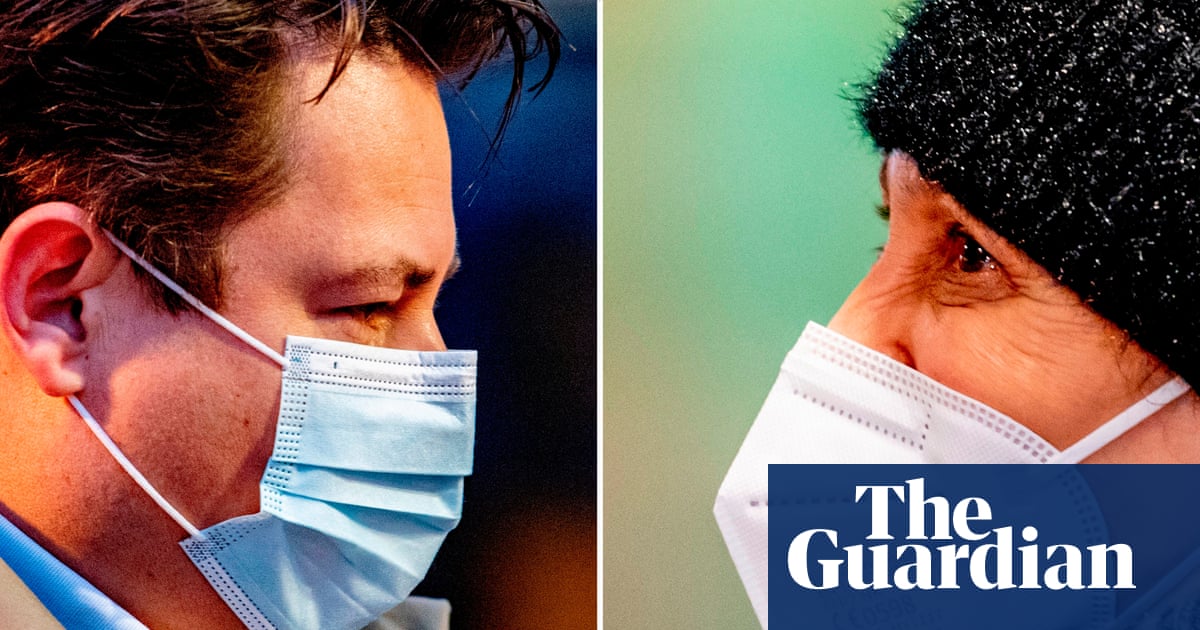
GENEVA: A group of health experts is urging the World Health Organization to replace surgical masks with respirators for healthcare workers. They argue that surgical masks provide inadequate protection against airborne pathogens, including COVID-19, and that respirators could significantly reduce infection rates in medical settings.
GENEVA: Experts are calling for a transformative change in protective gear for healthcare workers, advocating for the replacement of surgical masks with respirators during patient interactions. A letter sent to World Health Organization (WHO) chief Dr. Tedros Adhanom Ghebreyesus highlights the inadequacy of surgical masks in safeguarding against airborne pathogens such as the novel coronavirus and other flu-like illnesses.
The authors emphasize that the widespread use of surgical masks in healthcare settings provides only a minimal barrier against transmission, with studies suggesting they block around 40% of COVID-sized particles compared to up to 98% for respirators, such as FFP2 or N95 masks. According to Professor Adam Finkel from the University of Michigan School of Public Health, the current reliance on surgical masks is outdated and could lead to unnecessary infections among both patients and healthcare personnel.
This shift in recommendation follows a reevaluation of evidence throughout the pandemic, where aerosol transmission has been increasingly recognized. Finkel likened surgical masks to "the typewriter compared to the modern computer," deeming them obsolete in today's medical environment. The authors propose that WHO update its infection prevention protocols to prioritize respirators, asserting that such guidelines could help mitigate illness rates and burnout among healthcare workers.
While the letter solely pertains to healthcare settings, it is expected to generate significant debate. Masks have been a point of contention since the onset of the pandemic, with contrasting perspectives on their effectiveness and necessity shaping public discourse. Critics of the recommendations caution about the lack of rigorous randomized trials proving the efficacy of physical measures in curbing virus spread. In response, the authors maintain that laboratory evidence on respirator effectiveness offers sufficient grounds for their advocacy.
Amid calls for updated guidelines, the WHO has faced scrutiny for its initial hesitancy in addressing airborne transmission of COVID-19. The authors urge the organization to provide clear public messaging on how the virus spreads, and advocate for increased access to respirators even in lower-income regions, suggesting phased production of surgical masks. As healthcare professionals weigh the implications of these recommendations, the potential shift in practice could represent a pivotal moment in infection control protocols.
Discussion
Loading comments...