Bangladesh’s Tarique Rahman Takes Oath as Prime Minister
Synced from Source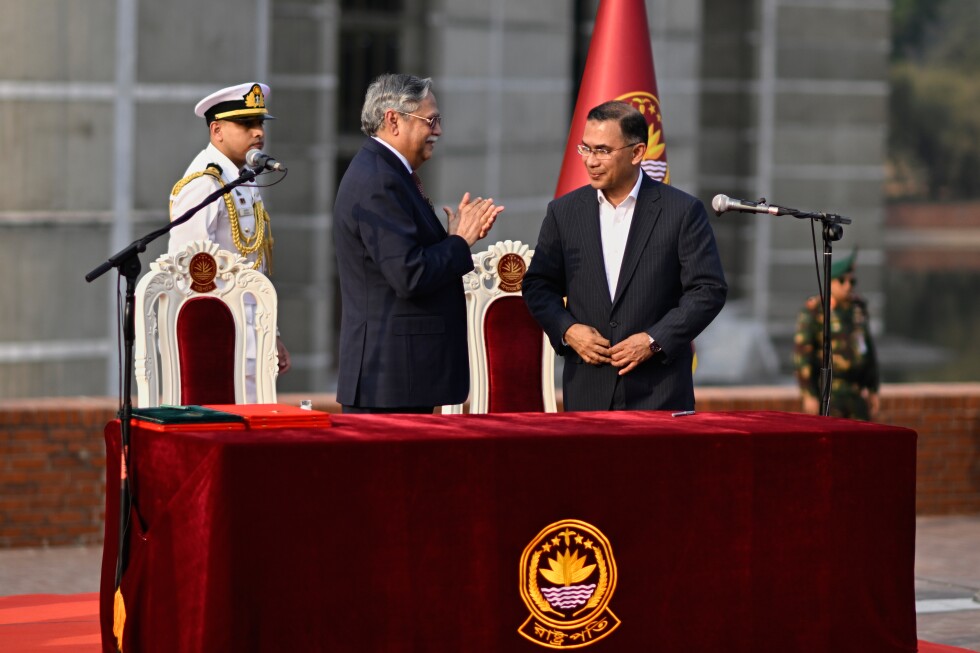
DHAKA, Bangladesh: Tarique Rahman has been sworn in as Prime Minister following a decisive victory in last week’s parliamentary elections. This marks a significant shift in Bangladesh's political landscape, with Rahman being the first male leader in 35 years, representing the Bangladesh Nationalist Party. His term will help shape the future of Bangladeshi democracy.
DHAKA, Bangladesh (AP) — Bangladesh's new prime minister, Tarique Rahman, was officially sworn in on Tuesday following his party's decisive victory in the parliamentary elections held just last week. This election was the first since the significant uprising in 2024, and it has been heralded as essential to determining the country's political direction after years of intense rivalry and contested elections.
Prime Minister Rahman, taking the helm for a five-year term, is the son of former Prime Minister Khaleda Zia and former President Ziaur Rahman. His ascent marks a historic moment as he becomes the first male prime minister in 35 years; he represents a major shift in a political landscape traditionally dominated by his mother and archrival Sheikh Hasina. "This is a transformative moment for our country," Rahman stated after the ceremony at the National Parliament. "We are committed to leading Bangladesh toward progress and stability."
The oath of office was administered by the figurehead President Mohammed Shahabuddin, with a large gathering of Cabinet members and newly appointed officials also participating in the swearing-in ceremony. The Bangladesh Nationalist Party (BNP), along with its affiliates, secured an impressive 212 seats in the 350-member Parliament, while the opposition, a coalition led by the Jamaat-e-Islami party, earned 77 seats. Furthermore, a newly formed party, the National Citizen Party, comprised of student leaders from the 2024 uprising, won six seats.
This parliamentary structure reflects the direct election of 300 members by voters, while the remaining 50 seats are reserved for women, distributed based on party performance. Rahman’s leadership will likely shape significant policy decisions and alliances over the next five years, leading to potential changes in Bangladesh's democratic processes and governance. The eyes of the nation are on him as he takes the reins amid a challenging political landscape.
Discussion
Loading comments...