Venezuela's Delcy Rodriguez Denounces US ‘Energy Greed’ Amid Tensions
Synced from Source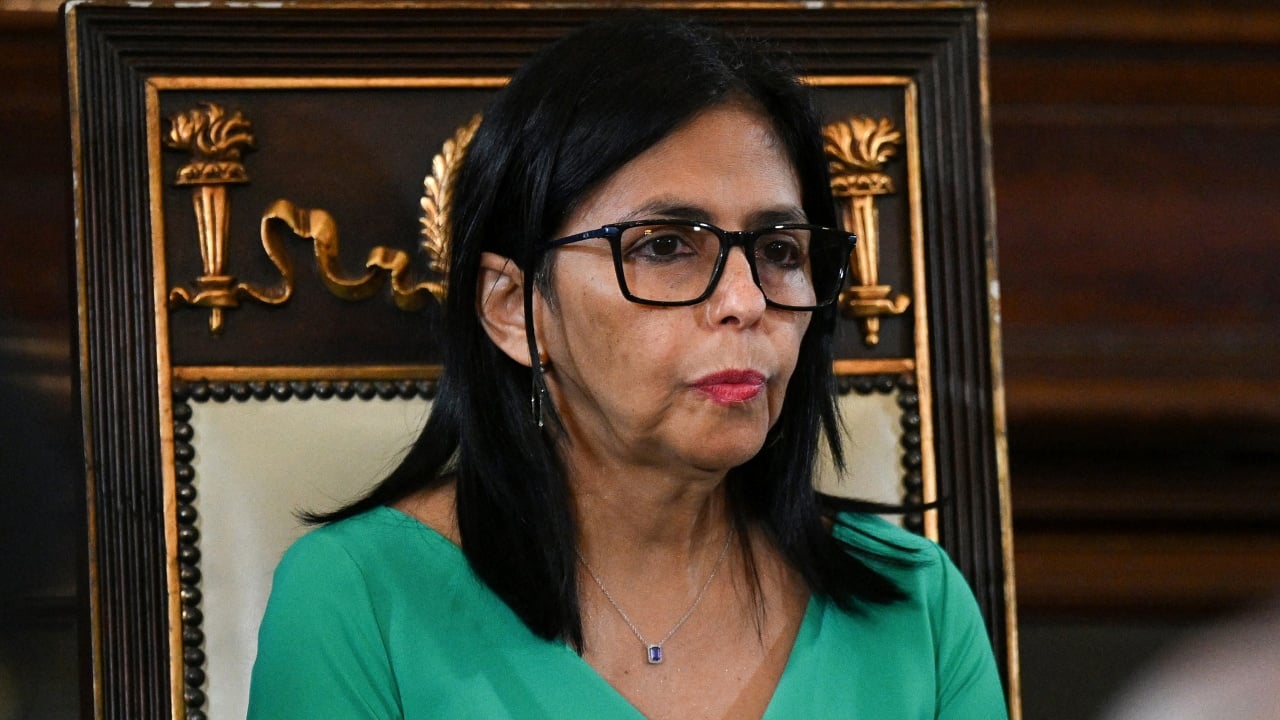
CARACAS: Venezuela’s acting president, Delcy Rodriguez, has rejected US allegations against her government, branding them as falsehoods driven by energy greed. Rodriguez emphasized Venezuela's openness to beneficial energy agreements but acknowledged strained bilateral relations. She criticized extremist political expressions within the country while outlining plans for national stability.
CARACAS: Venezuela’s interim president Delcy Rodriguez has firmly rejected recent allegations from the United States, claiming they rest on “falsehoods” fueled by “energy greed.” Speaking during a live broadcast on state television, Rodriguez accused Washington of fabricating concerns about drug trafficking and human rights as a pretext to exert pressure on Venezuela’s government and its vast natural resources.
Rodriguez's comments come in the wake of escalating tensions between Caracas and Washington, especially following the dramatic capture of former president Nicolás Maduro earlier this month. “All the falsehoods about drug trafficking, democracy, and human rights were simply excuses,” she stated emphatically. She asserted that Venezuela remains open to commercial arrangements with the US that would be mutually beneficial, emphasizing the need for cooperatively defined agreements.
During her address, Rodriguez acknowledged the deep rift in relations between the two nations. “There is a stain on our relations such as had never occurred in our history,” she remarked, underscoring the importance of political unity within Venezuela. Her statements echoed a broader theme of national healing and stability, as she called on various political forces to work together against dangerous ideologies that threaten the country.
In a separate development, US President Donald Trump responded to Rodriguez's assertions, announcing that a recent oil agreement would see Venezuela using its revenue to exclusively purchase American-made goods. Trump characterized this commitment as a “wise and very beneficial” arrangement for both countries, highlighting agricultural products, medicines, and equipment to enhance Venezuela’s energy facilities as potential imports.
As the political dialogue continues, it remains uncertain how these developments will reshape Venezuela's international relationships and internal dynamics amid ongoing economic struggles and societal divisions.
Discussion
Loading comments...