India Supreme Court Rejects Mandatory Menstrual Leave Proposal
Synced from Source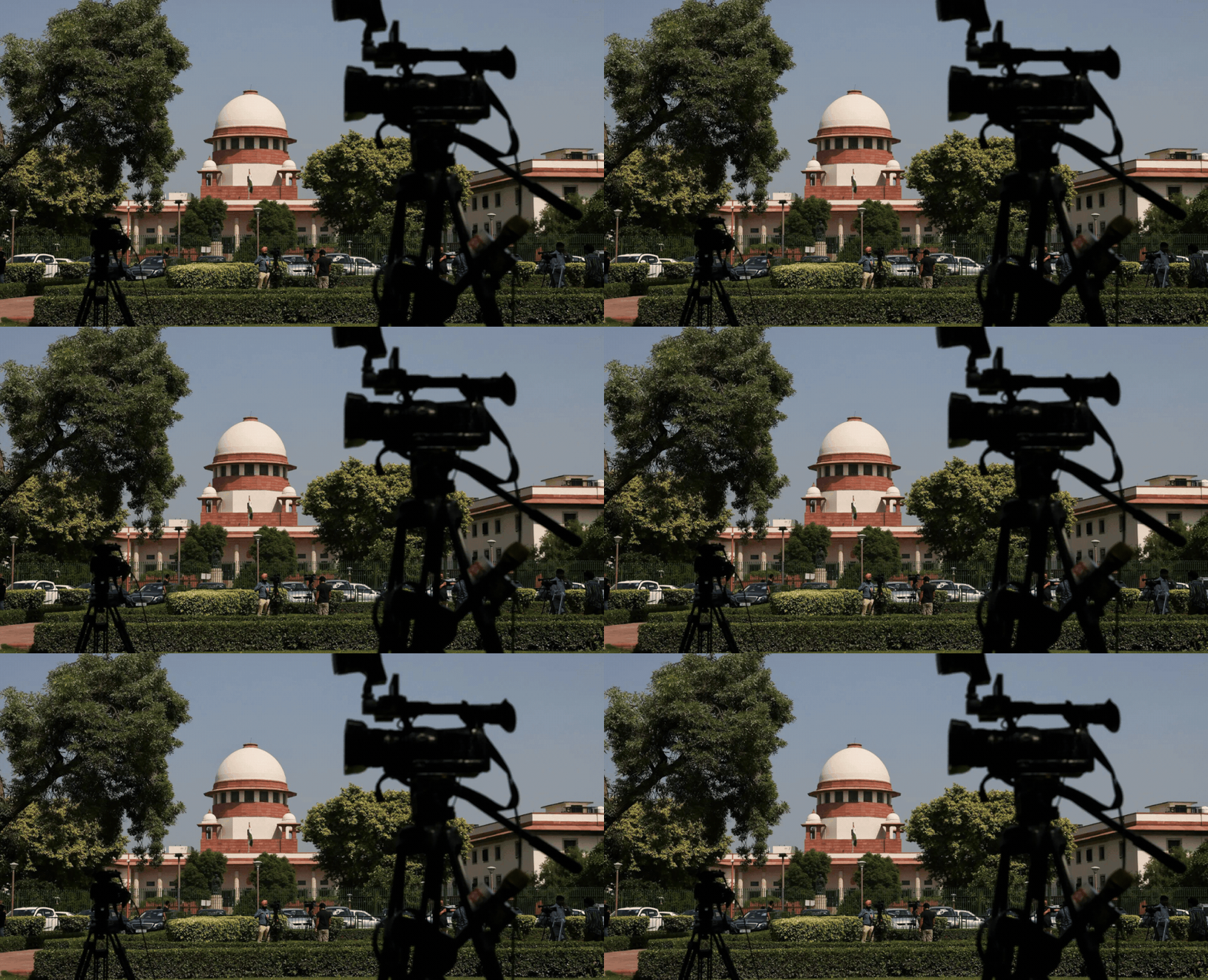
NEW DELHI: The Indian Supreme Court has ruled against mandatory menstrual leave, stating it could negatively impact women’s careers. The court emphasized the need for equal treatment in workplaces, sparking widespread debate over women's rights in India. Critics argue that such policies could reinforce stereotypes rather than support gender equality.
NEW DELHI: In a landmark verdict, the Indian Supreme Court has dismissed the idea of mandatory menstrual leave for women, suggesting that such provisions might detrimentally affect their career progression. The court's ruling comes in response to petitions advocating for their inclusion in labor laws, which proponents argued would support women facing physical discomfort and health issues during menstruation.
Judges articulated that although the intent behind menstrual leave is commendable, introducing it into mandatory policy could lead to a perception that women are less reliable in the workplace. “We live in an age where we should strive for equality and fairness across genders,” said Justice Ayesha Malik, emphasizing the potential adverse consequences on women's employment prospects. “Instead of promoting inclusivity, it risks isolating women during their reproductive years, which is counterproductive to our objectives.”
The ruling has triggered a wave of opinions from various sectors. Supporters of menstrual leave feel disheartened and are pushing back, arguing that recognition of menstrual health is crucial for women's well-being. “This issue is not just about time off, it's about enabling women to participate fully and healthily in the workforce,” stated Rhea Sharma, a prominent women's rights advocate.
Critics of the ruling, however, argue that women already face substantial challenges regarding workplace equality, and implementing a leave policy could further entrench biases against hiring women. The conversation surrounding menstrual leave not only touches women’s health but also reveals persistent gender disparities in professional environments. It is a complex issue that polarizes opinions and reflects broader societal attitudes towards women’s rights in India.
As this debate unfolds, it is becoming increasingly clear that conversations around women's health and workplace equality are far from settled in Indian society.
Discussion
Loading comments...