Madras High Court Rules on Tirupparankundram Dispute, Rejects Mediation
Synced from Source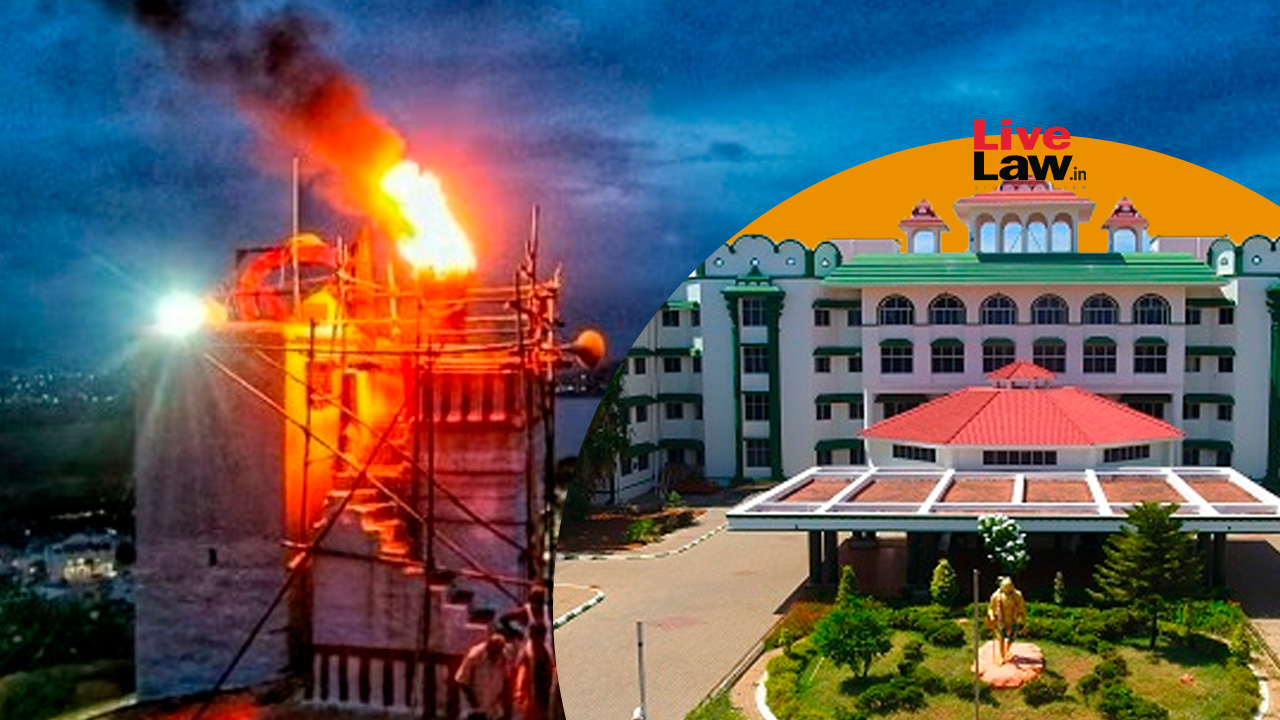
MADURAI: The Madras High Court has decisively ruled on the contentious Tirupparankundram dispute, prioritizing judicial adjudication over mediation. The judgment reaffirms religious ownership of the hill and rejects claims threatening worship practices. This ruling aims to restore clarity and legitimacy to worship rights in the region.
MADURAI: The Madras High Court's Division Bench made a landmark ruling on January 6, 2026, regarding the ongoing dispute in Tirupparankundram, decisively opting for judicial adjudication instead of mediation. This pivot underscores the growing realization that when the state fails as a neutral arbitrator, legal resolution becomes imperative. The Court's judgment seeks to clarify ownership and worship rights, an issue that has festered in the wake of administrative ambivalence.
The history of the Tirupparankundram dispute is deeply entrenched in legal precedent, tracing back to a foundational decree from 1920 that established ownership rights under the oversight of British colonial rule. The judgment confirmed that the Dargah and its surrounding areas belong to the Muslim community, while other sections are under the Subramania Swamy Devasthanam. The current ruling reflects not just a legal determination but a rejection of prolonged administrative hesitance that has exacerbated tensions amongst the communities involved.
In its assessment, the Court noted the failures of previous mediation attempts, highlighting a lack of trust and a significant bias within the state's administration. The Waqf Board's claim that the Deepathoon—a religious site—belonged to the Dargah was deemed “mischievous” and contrary to established legal rulings. The Court's analysis dismissed attempts to redefine the site's religious significance based on flawed claims regarding colonial survey practices.
Moreover, the ruling emphasized worshippers' rights within the framework of the Tamil Nadu Hindu Religious and Charitable Endowments Act. The Court reiterated that these rights should not merely be viewed as privileges subject to executive regulation; rather, they are inherent rights that must be defended against administrative overreach. The judgment serves not only as a legal framework for the current dispute but also as a cornerstone for future interactions regarding worship rights and the administration of religious sites in Tamil Nadu.
Importantly, while the ruling expands on the rejection of state-driven arguments limiting religious practices, it leaves significant questions regarding the role of temple Executive Officers unaddressed, suggesting potential future legal challenges regarding their legitimacy. As India grapples with the intersection of faith, law, and administrative governance, the Tirupparankundram verdict emerges as a critical moment in the quest for equitable worship rights.
Discussion
Loading comments...