Trump Unveils New Dietary Guidelines Promoting Red Meat Consumption
Synced from Source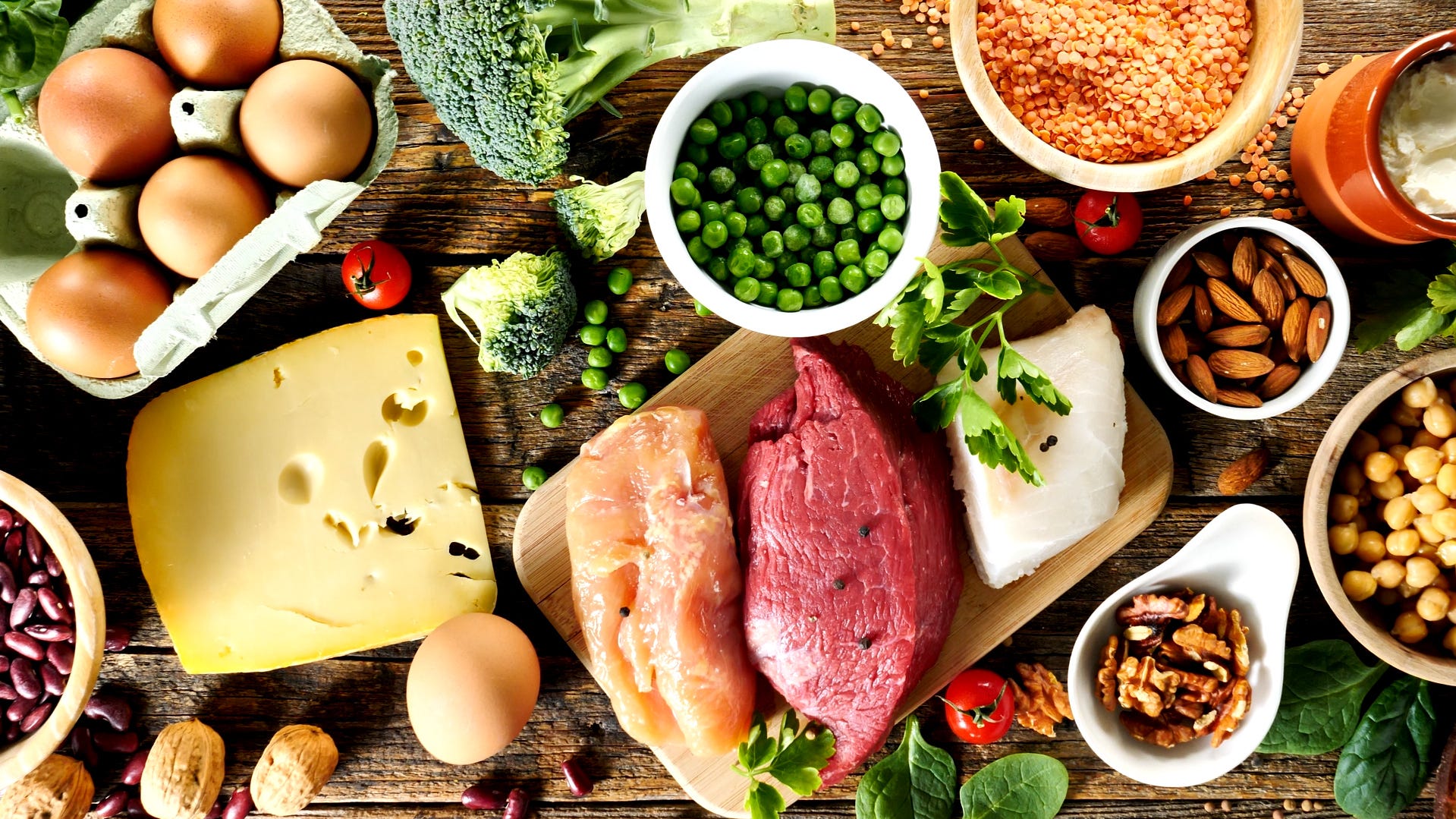
WASHINGTON: The new federal dietary guidelines announced by Trump advocate an increase in red meat consumption while decreasing sugar intake. The guidelines feature an upside-down pyramid emphasizing nutrient-dense foods, specifically highlighting meat, cheese, and whole milk.
WASHINGTON: Former President Donald Trump has unveiled a new set of federal dietary guidelines aimed at reshaping the nutrition landscape for Americans. These guidelines, announced on January 7, are garnering attention for their controversial recommendations, which include a significant emphasis on consuming more protein, particularly in the form of red meat.
The new Dietary Guidelines for Americans present an upside-down pyramid design, which notably places meat, cheese, and whole milk near the top, advocating for their inclusion in everyday diets. In stark contrast, fruits and vegetables, as well as whole grains, occupy the bottom tier of the pyramid. This shift represents a notable paradigm change in American nutritional advice, sparking both support and skepticism among health experts and nutritionists.
Critics of the new guidelines voice concerns about the potential health implications associated with increased red meat consumption. “We should be cautious about encouraging more red meat in our diets,” said a leading nutrition researcher. “While protein is crucial, excess consumption of red meat has been linked to various health issues, including heart disease.”
Supporters, however, praise the emphasis on whole, nutrient-dense foods, arguing that such a focus can promote healthier eating among Americans. “Encouraging people to eat more proteins, especially from clean sources, aligns with the principles of a healthy diet,” commented a representative from a national beef association.
These new guidelines come at a time when dietary health in America is under scrutiny. The impact of these recommendations could be significant, affecting not just individual health choices but also influencing food industry trends and agricultural practices across the nation. As Americans face rising health issues linked to diet, the attention surrounding these guidelines may prompt a broader reconsideration of what constitutes healthy eating in the modern age.
Discussion
Loading comments...