USA Denies Escorting Oil Tanker Through Strait of Hormuz
Synced from Source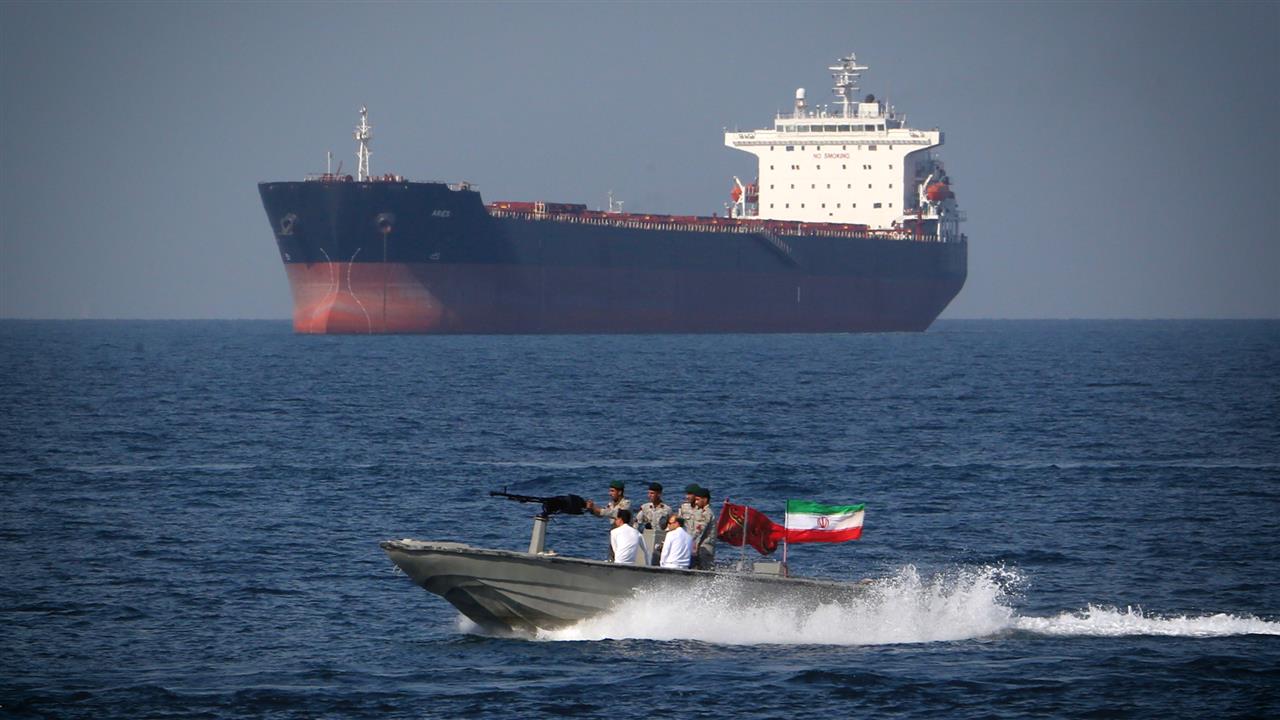
WASHINGTON: The United States has denied allegations of escorting an oil tanker through the Strait of Hormuz amid rising tensions with Iran. The Iranian government has also issued a strong denial regarding any U.S. naval activities in the region. This denial comes following a controversial social media post that has since been deleted, raising questions about U.S. military presence in this crucial shipping lane.
WASHINGTON: The U.S. Navy has officially denied claims that it escorted an oil tanker through the Strait of Hormuz, a critical chokepoint for global oil shipments, which has recently become a flashpoint for geopolitical tensions. This announcement follows the rapid spread of a now-deleted social media post that suggested U.S. vessels were operating in the area to protect commercial shipping from potential Iranian threats.
In a statement released by the Navy, spokesperson Captain Lisa McDonald said, "We do not provide escort services for private vessels. Our role is to ensure freedom of navigation in the region." This statement was a direct response to a flurry of inquiries after the deletion of the social media post, which had sparked confusion and concern among international observers and energy markets alike.
Iran's response was equally swift. Government spokesman Ali Rabiei stated, "No foreign military has the right to expand its presence in our waters. We are monitoring all activities closely and will take necessary measures to safeguard our territory." This denial underscores Iran's ongoing efforts to assert its sovereignty in a region often patrolled by foreign naval forces.
The implications of these denials are significant for global energy markets, particularly given the history of tensions in the Strait of Hormuz, where approximately 20% of the world's oil supply passes. Should U.S. naval presence in the area escalate, it could lead to increased friction with Iran, who has previously threatened to block the strait in response to perceived provocations.
For the common reader, the dynamics of naval movements and geopolitical tensions in the Strait of Hormuz serve as a reminder of the fragile balance in maritime security and the potential impacts on oil prices, ultimately affecting consumer costs globally. As these events unfold, industry experts and political analysts will be watching closely for any developments that could affect international trade and energy stability.
Discussion
Loading comments...