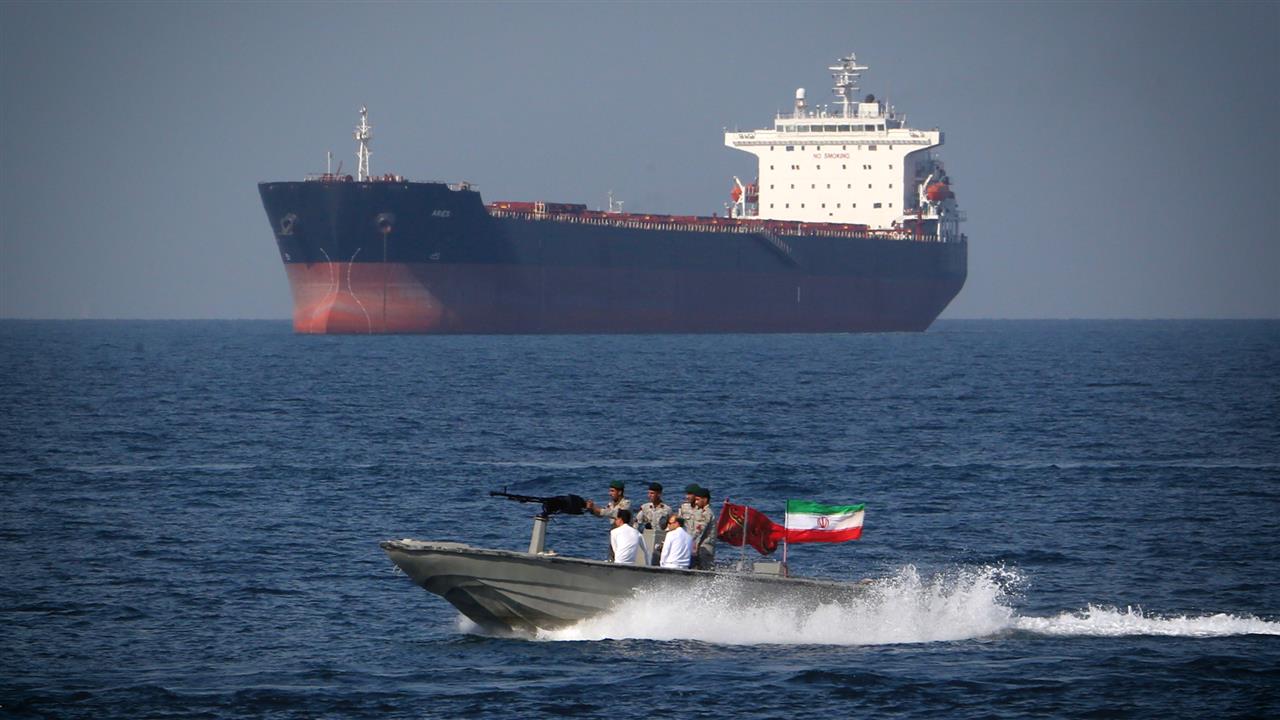
WASHINGTON D.C.: US allies have outright refused President Trump's demands regarding military actions in the Strait of Hormuz, indicating that escalations have occurred without prior consultation. Military officials expressed dissatisfaction over being left out of crucial discussions, raising concerns about the implications for regional stability and international relations.
WASHINGTON D.C.: In a startling turn of events, key US allies have publicly rejected President Donald Trump's recent demands concerning military positioning and operations in the strategically critical Strait of Hormuz. This refusal comes amid heightened tensions in the region, where the administration's actions have been described as leading to a conflict that began without adequate consultation or agreement among partner nations.
The Strait of Hormuz is a vital waterway for global oil shipments, making any military engagement in the area particularly sensitive. According to diplomatic sources, officials from allied nations expressed their discontent during a recent meeting, labeling Trump's approach as "unilateral" and "hasty." One senior military official from an allied country remarked, "Decisions about war should not be made without consulting those who will be directly impacted."
The backdrop of this refusal is a series of incidents involving Iranian vessels and US Navy escorts that have escalated tensions between the nations. Allies fear that US military escalations could destabilize the region further, highlighting a growing rift in transatlantic relations. Many are concerned about not only the immediate risks of conflict but also the long-term impact on regional alliances.
This situation matters significantly to the everyday American citizen. With rising global oil prices tied to instability in the Gulf, any potential conflict could affect gas prices and economic stability back home. Moreover, the ramifications of a war without the backing of key allies could lead to isolationist policies, risking the United States' influence on the world stage. The ongoing discourse raises vital questions about the future of US foreign policy and the importance of multilateralism in avoiding unintended conflicts.
As discussions continue, the potential for a diplomatic resolution remains uncertain, but allies are clearly signaling the need for immediate dialogue rather than drawing lines in the sand over military commitments.
Discussion
Loading comments...