EU and India Set to Finalize Security and Trade Agreements
Synced from Source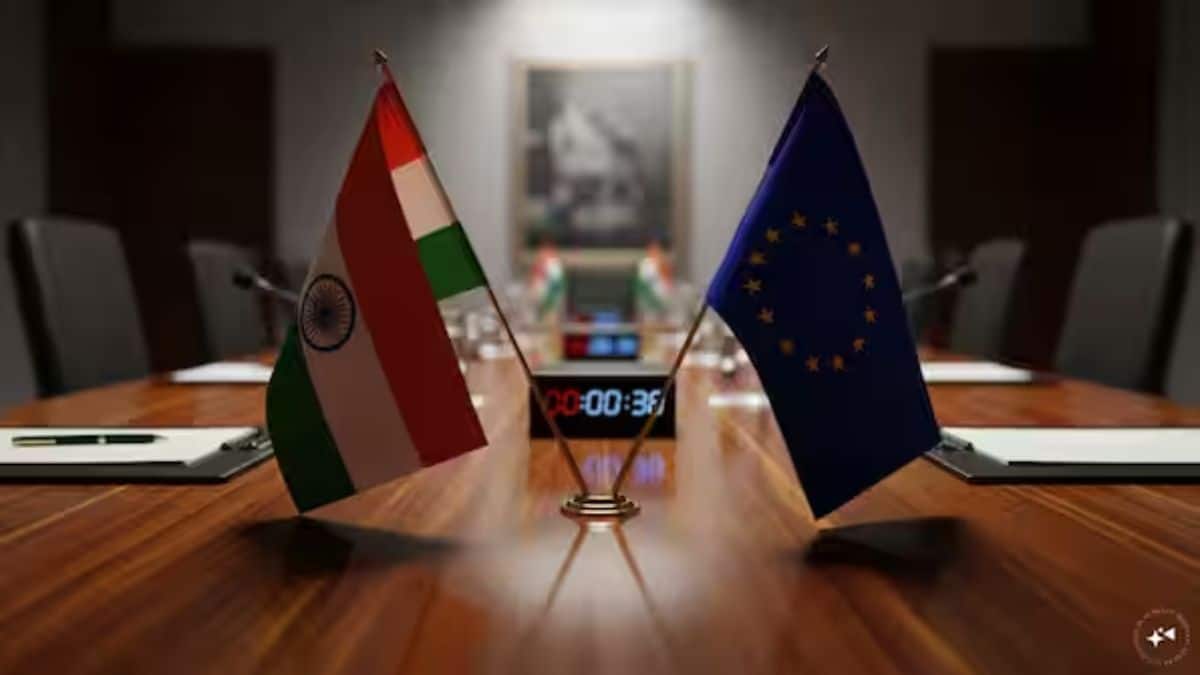
NEW DELHI: The European Union and India are poised to finalize a significant free trade agreement and a security partnership during upcoming summit-level talks. With key EU leaders attending India's Republic Day celebrations, the meeting is expected to enhance bilateral relations dramatically, including addressing contentious issues like carbon tariffs.
NEW DELHI: In a pivotal move for international relations, India and the European Union are set to finalize a range of agreements during next week's summit-level talks, expected to include a free trade agreement and a comprehensive security partnership. This meeting comes as both sides aim to bolster economic ties and address mutual security concerns in an evolving global landscape.
European Council President Antonio Costa and European Commission President Ursula von der Leyen will participate in India's Republic Day celebrations on January 26, with the following day designated for high-stakes negotiations. The EU delegation, comprising around 90 members including Kaja Kallas, the bloc's foreign and security policy chief, signifies the importance of these discussions for both parties.
The proposed free trade agreement is touted as an opportunity to catalyze economic engagement. In the 2023–24 financial year alone, trade between India and the EU reached a staggering $135 billion, establishing the EU as India's largest trading partner. As negotiations conclude, both sides are expected to announce the agreement formally, paving the way for further legislative processes and signings to come.
Amid growing international trade tensions, particularly concerning policies from Washington, the likelihood of positive outcomes during these talks remains high. Sources indicate that negotiators are striving to address potentially contentious issues, including the Carbon Border Adjustment Mechanism (CBAM), crucial for environmental sustainability and trade balance. While the EU maintains a stringent approach to this mechanism, both parties appear committed to finding common ground.
The agreements set to be unveiled aren’t limited to trade but extend into the defense sector as well, representing a strategic alliance that could significantly reshape regional dynamics. As both sides prepare to adopt a comprehensive strategic vision governing their relationship from 2026 to 2030, the implications of these agreements may resonate well beyond commerce and security, influencing geopolitics on a broader scale.
Discussion
Loading comments...