Supreme Court Reviews TMC MPs’ Plea on Electoral Roll Irregularities in India
Synced from Source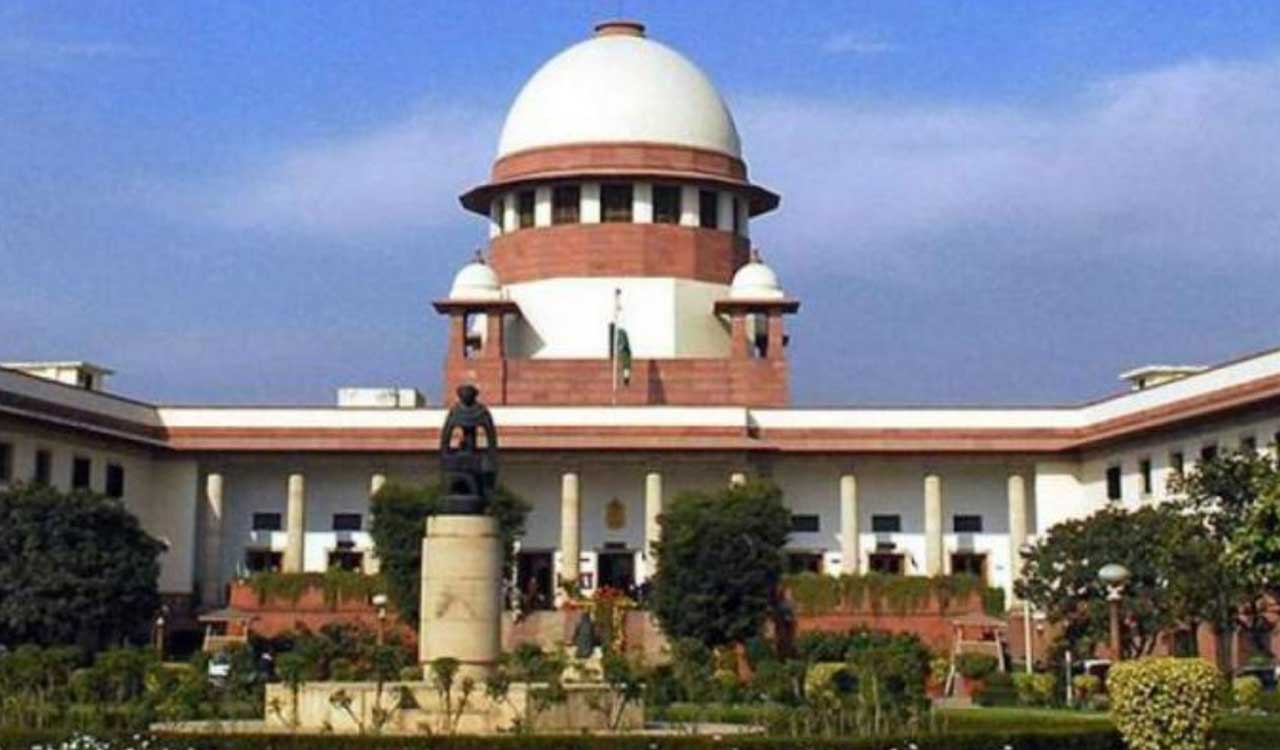
NEW DELHI: The Supreme Court has asked the Election Commission to respond to Trinamool Congress MPs' allegations on irregularities during the electoral roll revision in West Bengal. The MPs claim that improper communication methods and arbitrary decisions have led to voter deletions affecting millions. The court has given the election body one week to reply.
NEW DELHI: The Supreme Court on Monday sought a response from the Election Commission of India regarding interim pleas presented by Trinamool Congress (TMC) MPs, raising concerns over alleged arbitrariness and irregularities in the Special Intensive Revision (SIR) of electoral rolls in West Bengal. Chief Justice Surya Kant and Justice Joymalya Bagchi noted the applications filed by lawmakers Derek O'Brien and Dola Sen, which challenge the procedural actions taken during this critical electoral process.
Senior advocate Kapil Sibal, representing Derek O'Brien, pointed out that the Election Commission had been issuing directives via social media platforms like WhatsApp, compelling booth-level officers to act without formal written orders. He highlighted a newly introduced "logical discrepancy" voter category, which places certain voters under scrutiny for their eligibility due to reported errors or anomalies in their details.
The counsel for the Election Commission requested a two-week extension to reply, but the bench granted one week, scheduling the next hearing for January 19. O'Brien's allegations suggest that this non-traditional mode of communication undermines constitutional procedures, stating, “The Election Commission cannot replace legally prescribed protocols with ad hoc mechanisms,” stressing the impact on voters' rights.
With the SIR process commencing, West Bengal Chief Minister Mamata Banerjee has vocally criticized its administration, citing that the exercise has instilled fear and caused distress among citizens—potentially leading to severe personal consequences, including hospitalizations. In the proceedings, O'Brien noted that since the draft electoral roll was disseminated on December 16, 2025, over 58 lakh names were deleted without proper notifications or hearings, indicating severe operational mishaps within the process.
The application filed by TMC also seeks a directive to halt the practice of giving instructions through informal channels and demands an extension for submitting claims and objections. It asserted that such dismissal of formal communication methods is unprecedented and could lead to unaccountability among decision-makers, significantly affecting people's democratic rights.
Overall, the court's intervention highlights the ongoing tensions surrounding electoral integrity in West Bengal and the implications for the state's political landscape as it braces for upcoming elections.
Discussion
Loading comments...