USA Labels Egyptian, Lebanese, and Jordanian Muslim Brotherhood Terrorist Groups
Synced from Source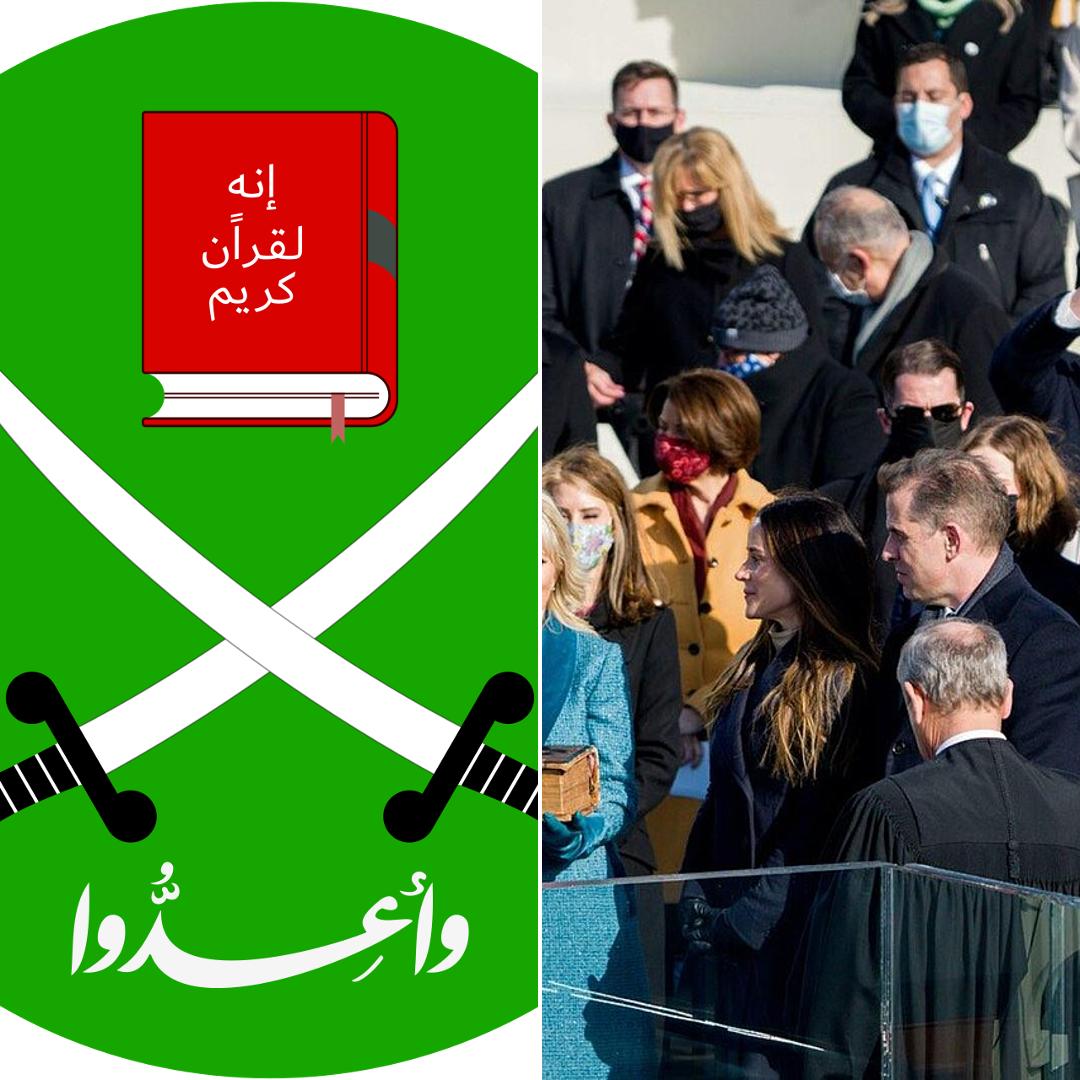
WASHINGTON D.C.: The United States has officially designated the Egyptian, Lebanese, and Jordanian branches of the Muslim Brotherhood as terrorist organizations. This decision reflects ongoing concerns over the group's alleged activities that threaten regional stability. U.S. officials emphasized the importance of this designation in combating extremism.
WASHINGTON D.C.: The United States has made a significant policy shift by designating the Egyptian, Lebanese, and Jordanian branches of the Muslim Brotherhood as terrorist organizations. This announcement, made by U.S. Secretary of State Antony Blinken during a press briefing, has sparked discussions across international relations circles and among analysts monitoring Middle Eastern stability.
In his statements, Blinken emphasized that the decision is grounded in a comprehensive assessment of the group’s activities. "The Muslim Brotherhood has been linked to various forms of extremism that pose a threat not just to the nations in the region, but also to the interests of the United States and its allies," Blinken stated.
The move is expected to have profound implications for U.S. foreign policy in the Middle East, particularly in countries grappling with internal divisions and the influence of Islamist movements. Analysts warn that the classification could escalate tensions between the United States and nations where this group has significant support, especially amidst ongoing challenges in governance and civil rights.
Moreover, this designation could affect humanitarian assistance efforts in the region, as associations with terrorist organizations complicate the delivery of aid. Understanding the motivations behind this move, several experts have called it a strategic approach to counteract rising extremist ideologies that threaten democratic frameworks.
For the common citizen, this decision could lead to increased scrutiny on community groups that have affiliations with the Muslim Brotherhood. The ramifications of the U.S. stance could reshape political landscapes and influence social dynamics within these countries, provoking both support and opposition from different factions within civil society.
This unprecedented step marks a notable moment in the intersection of U.S. foreign policy and regional politics, signaling a future where diplomatic relations may lean heavily on ideological lines.
Discussion
Loading comments...