Israel and Lebanon Agree to 10-Day Ceasefire Amidst Ongoing Conflict
Synced from Source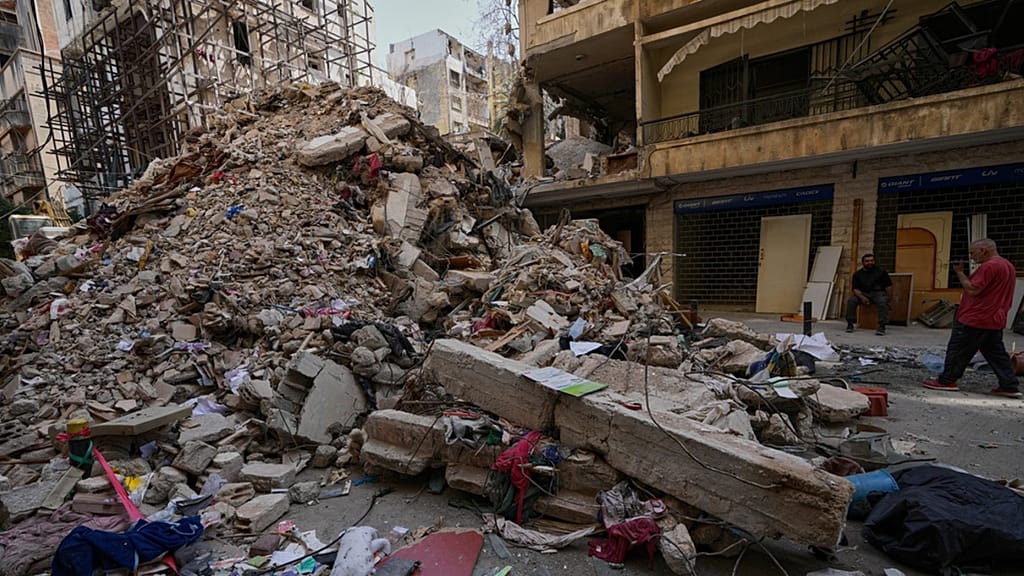
WASHINGTON D.C.: Israel and Lebanon have agreed to a 10-day ceasefire to halt hostilities. The truce was brokered by US President Donald Trump, aiming to reduce tension with Hezbollah involvement. However, Israeli forces will maintain their positions in disputed territories, raising concerns about the ceasefire's longevity.
WASHINGTON D.C.: In a significant diplomatic breakthrough, Israel and Lebanon have agreed to a 10-day ceasefire, aimed at halting weeks of hostilities marked by Israeli attacks on Hezbollah positions within Lebanon. The announcement was made by US President Donald Trump, who communicated the agreement following talks with both Israeli Prime Minister Bibi Netanyahu and Lebanese President Joseph Aoun.
As the midnight hour struck, celebratory gunfire erupted in the streets of Beirut, illustrating both the relief and caution among residents as they welcomed the beginning of the truce. “Both sides want to see peace, and I believe that will happen, quickly!” Trump asserted in a statement. However, it is crucial to note that while Israel and Lebanon reached this ceasefire, Hezbollah was not an official party in the negotiations, which could complicate its enforcement.
While Netanyahu agreed to the ceasefire in the hopes of advancing peace efforts, he stated that Israeli forces would not withdraw from the southern territory they occupy. “That is where we are, and we are not leaving,” the Prime Minister reiterated, suggesting that a prolonged Israeli presence could provoke renewed hostilities from Hezbollah, who has openly resisted Israeli actions in the region.
The agreement allows Israel the right to defend itself against potential threats, maintaining military freedom, albeit with restrictions on carrying out offensive operations against set targets. This provision could lead to potential escalations as Hezbollah vowed to respond to any Israeli strikes.
Despite the precarious nature of this truce, it is a notable step—marked by the first direct talks between the two nations in decades—highlighting a fragile hope for peace. Past agreements have faltered amidst ongoing conflicts, such as during Lebanon's civil war, and with Hezbollah opposing dialogue, the path to lasting peace remains complex and uncertain. As facilitated by US mediation, this ceasefire could set the stage for future negotiations regarding broader regional tensions, including Iran's involvement.
Discussion
Loading comments...