U.N. Allies Condemn U.S. Military Action in Venezuela
Synced from Source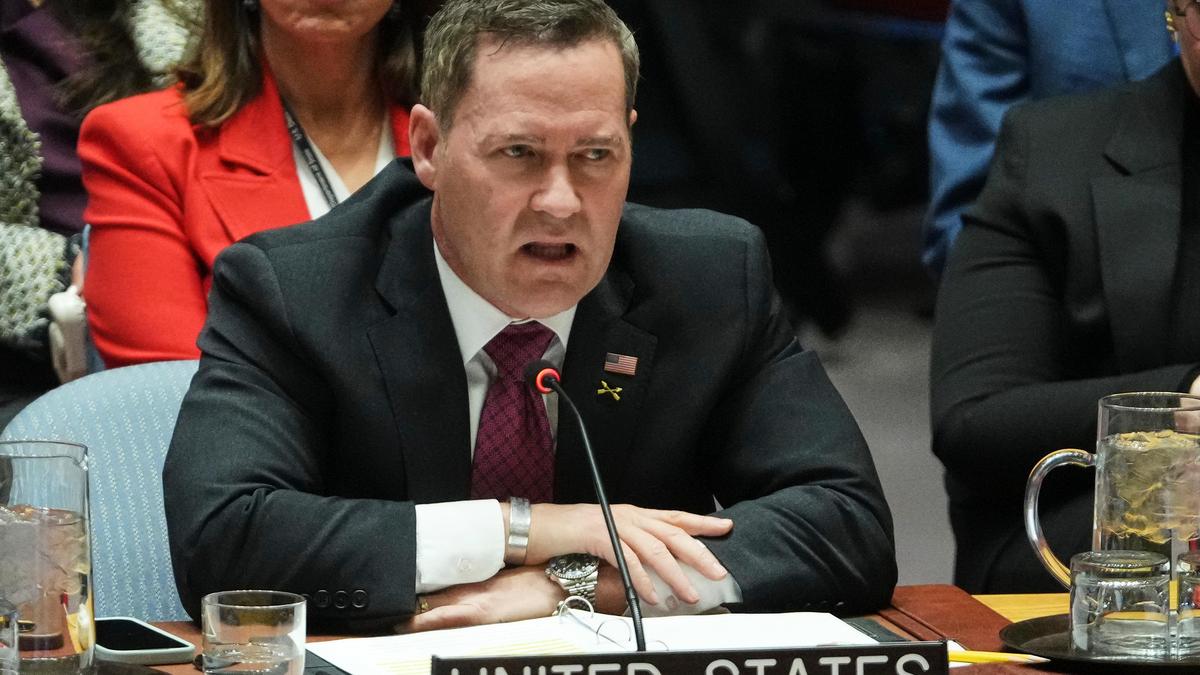
NEW YORK: The U.N. Security Council convened an emergency meeting following a controversial U.S. military operation in Venezuela aimed at capturing leader Nicolas Maduro. Allies criticized the action, warning of violations of international law, while U.S. representatives defended it as necessary for global security. The incident raises serious questions about international norms and sovereignty.
NEW YORK: The United Nations Security Council held an emergency meeting on January 5, 2026, in response to a bold U.S. military operation that sought to capture Venezuelan leader Nicolas Maduro. The operation, which took place over the weekend, has drawn widespread condemnation from both allies and opponents of the United States, with U.N. Secretary-General Antonio Guterres voicing serious concerns about potential violations of international law.
During the tense session, Guterres expressed alarm over the "grave" implications of the U.S. military action, suggesting it could erode established norms governing international relations. Ambassador Christina Markus Lassen of Denmark, a NATO ally, reiterated these worries, emphasizing that border integrity is "not up for negotiation." She stressed that no state should intervene in Venezuela's political affairs through force or threats that contradict international law.
Colombian Ambassador Leonor Zalabata echoed this sentiment, reflecting on historical precedents of foreign intervention in the region. She articulated that "democracy cannot be defended through violence or coercion," arguing that economic interests should also not dictate foreign policy.
The Russian ambassador, Vasily Nebenzya, took an even harsher stance, decrying the U.S. engagement as a regression to a "lawless" era. He cautioned against allowing the United States to assume a self-appointed role of enforcer, undermining the principles of sovereignty and nonintervention.
Contrarily, U.S. envoy Michael Waltz defended the operation, labeling it a "surgical law enforcement operation." He criticized the council for what he deemed an unjustified backlash against the U.S.'s actions, stating that recognizing Maduro as a legitimate leader contradicted the council's mission to uphold democracy. Waltz further asserted that the U.S. would not shy away from engaging with nations that pose threats, emphasizing national security interests.
According to reports, the U.S. forces executed the operation by seizing Maduro and his wife from their residence, subsequently transporting them to a warship. This dramatic event follows months of increasing U.S. military presence near Venezuela and previous actions against alleged drug trafficking vessels. President Donald Trump has indicated intentions to manage Venezuela temporarily, aiming to exploit its significant oil reserves for U.S. benefit. This escalation in military intervention underscores a significant shift in America's foreign policy approach towards Latin America, stirring global debate about the legitimacy and ramifications of such actions.
Discussion
Loading comments...