Iran Claims US Demands Block Face-to-Face Negotiations
Synced from Source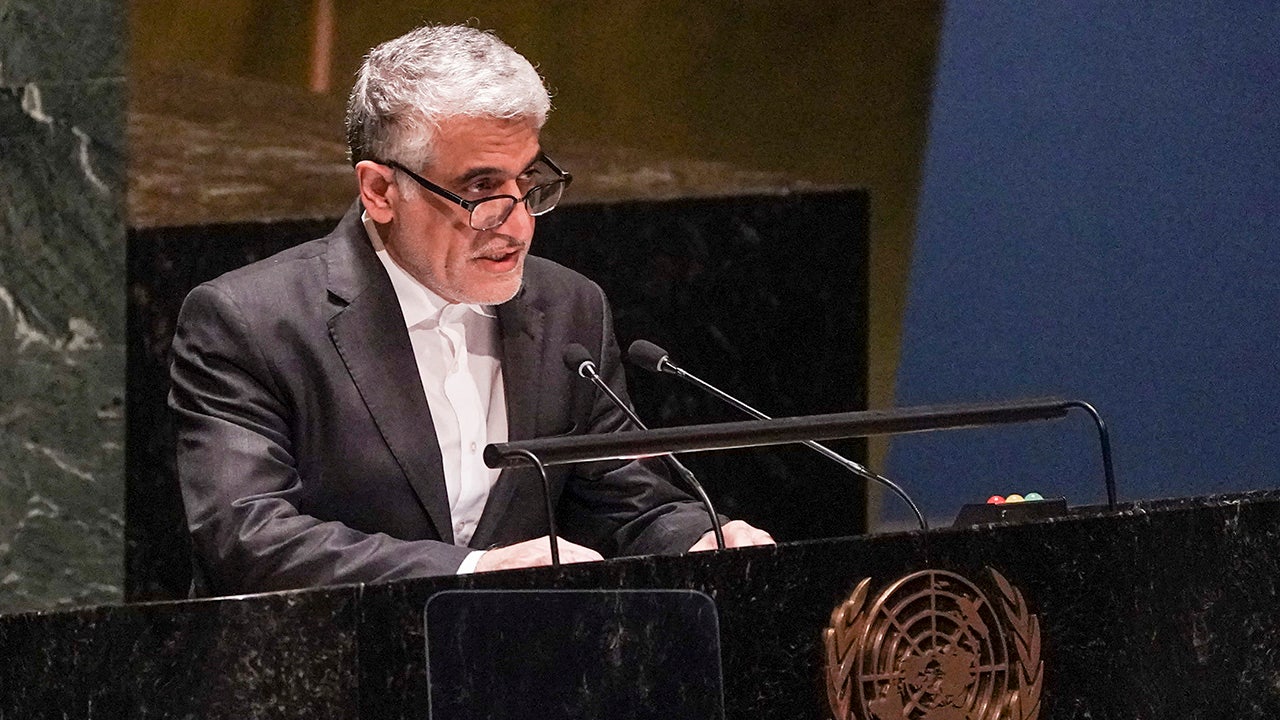
TEHRAN: An Iranian official stated that US "maximalist" demands are hindering face-to-face negotiations about nuclear discussions. Iran emphasizes that the negotiations are stalled due to unrealistic expectations from the US. This situation highlights the ongoing tensions between the two nations over nuclear agreements.
TEHRAN: Iran has voiced frustration over what it describes as "maximalist" demands from the United States, which they believe are obstructing face-to-face negotiations aimed at resolving the ongoing nuclear standoff. In an official statement, an Iranian diplomat criticized the US approach, asserting that the demands go beyond what can be reasonably agreed upon, jeopardizing efforts to return to the negotiation table.
"The United States is pursuing demands that are simply unrealistic and are stalling meaningful dialogue," the diplomat stated, reiterating Iran's commitment to discussions but also its intent to defend its national interests. This comment comes in the context of international concern regarding Iran's nuclear program, which many fear could lead to the development of nuclear weapons if left unchecked.
The US government has recently presented proposals that Iran sees as excessive, particularly regarding uranium enrichment levels and the timeline for lifting sanctions. "We want to negotiate, but not at the cost of our sovereignty or national integrity," the Iranian official added, signaling a staunch position on their nuclear rights and nuclear autonomy.
This deadlock is significant for global politics, as continued hostilities and an inability to forge an agreement could escalate tensions in the Middle East. The international community is closely monitoring these developments, as further setbacks could lead to a renewed crisis. The implications of stalled negotiations are vast, affecting everything from regional security to the global economy, thereby highlighting why common citizens should stay informed about the consequences of international diplomacy.
Discussion
Loading comments...