US Panel Calls for Sanctions Against India Over Religious Freedom Violations
Synced from Source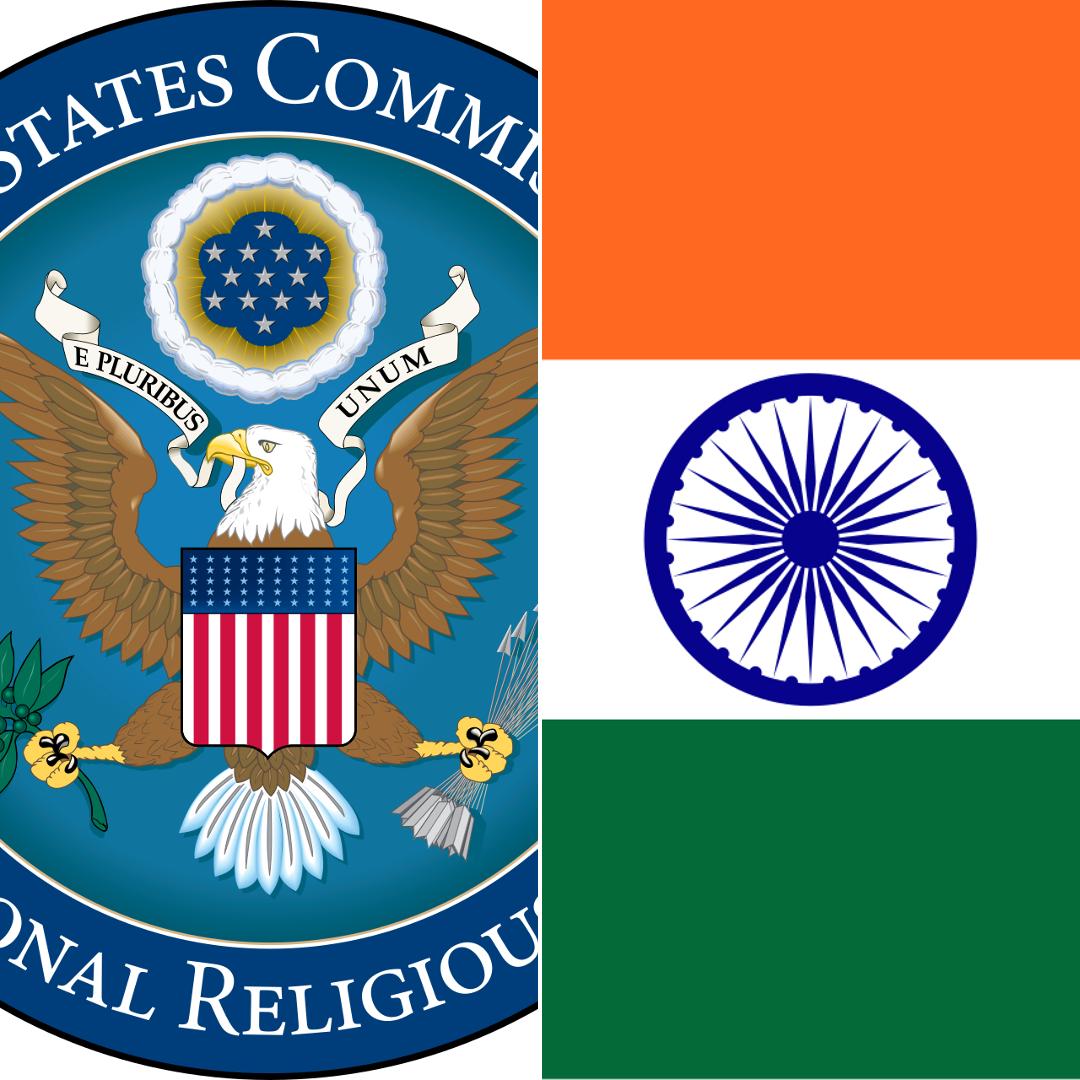
WASHINGTON: A U.S. panel has urged the government to freeze assets linked to the Rashtriya Swayamsevak Sangh and halt arms sales to India. The recommendations come amidst growing concerns over religious freedoms for minority groups in India, stirring serious diplomatic implications. Critics warn that these actions could further strain U.S.-India relations.
WASHINGTON: A significant recommendation has emerged from the United States Commission on International Religious Freedom, urging the federal government to impose sanctions on India due to ongoing violations of religious freedoms against minorities. The commission specifically called for freezing assets linked to the Rashtriya Swayamsevak Sangh (RSS), a Hindu nationalist organization that has faced scrutiny regarding its role in promoting sectarian policies. Furthermore, it urged a halt to arms sales to India until substantial improvements are observed in the country’s human rights record.
U.S. Commission Chair Nakul Sharma mentioned during the annual report presentation, "The situation in India has become increasingly alarming. The impact of these violations is felt across various minority groups, particularly Muslims and Christians, whose rights are systematically undermined." These assertions are supported by several international reports highlighting instances of violence and discrimination perpetuated under the guise of religious nationalism.
The implications of these recommendations could extend far beyond diplomatic rhetoric. Analysts suggest that if the U.S. government heeds the commission's advice, it could lead to significant political repercussions in U.S.-India relations, a partnership intensely cultivated over the last few decades. This partnership has been primarily founded on mutual interests in defense and trade, yet the emerging reports pose an existential question about the values that underpin international alliances.
The call to action has sparked a series of mixed reactions. “We are open to dialogue on our internal matters, but any interference from external sources undermines our sovereignty,” stated a spokesperson for the Indian Ministry of External Affairs. Critics, however, argue that international critique is essential in holding nations accountable for human rights violations.
As the U.S. administration weighs these recommendations, the common reader must consider that the outcome could reshape the landscape of global diplomacy and impact countless individuals seeking basic rights in India. The developments underscore a complex interplay of human rights advocacy and geopolitical strategy, urging a balanced approach in international relations.
Discussion
Loading comments...