Trump Claims U.S. "Does Not Need" Allies on Iran Situation
Synced from Source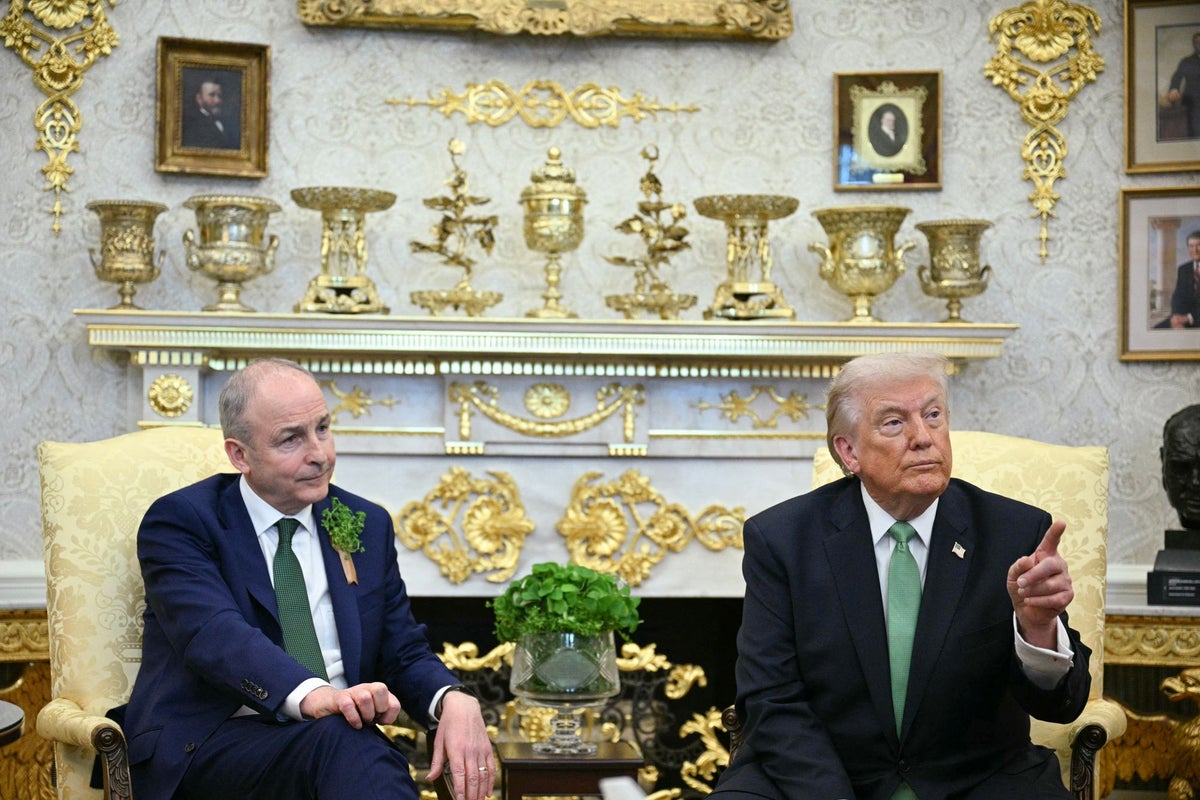
WASHINGTON: Donald Trump stated that the U.S. does not need assistance from NATO allies regarding the Iran conflict. This assertion comes after his calls for help were rejected. The president claimed military successes reduced the need for outside support, despite rising tensions in the Strait of Hormuz.
WASHINGTON: Amid escalating tensions with Iran, President Donald Trump stated that the United States "does not need" assistance from its NATO allies for maritime security in the Strait of Hormuz. This statement follows a series of requests he made for support to protect oil tankers, which were met with reluctance from allied nations. During a joint meeting with Irish Taoiseach Micheál Martin, Trump claimed that NATO states had favored his recent military actions against Iran, reiterating his assertion that the U.S. had effectively "decimated" Iran’s military capacities.
Trump's apparent contradiction has raised eyebrows, especially as he now downplays the need for international cooperation to secure a vital maritime route that sees about one-fifth of the world’s oil supply pass through it. He expressed disbelief that NATO allies were unwilling to respond to his calls for assistance, framing it as a "test" for the alliance while emphasizing that the U.S. military has achieved significant successes in the region. He insists that such accomplishments have rendered NATO’s support obsolete, challenging the very foundation of collective security the alliance was created upon.
The rising conflict, which commenced when Trump initiated military actions on February 28, has led to several incidents involving oil tankers in the strait, alarming global markets and driving up oil prices. Despite Trump's assertions, no NATO member has stepped forward to provide naval support, with officials from the British and German governments indicating that the situation does not obligate them to intervene militarily. British Prime Minister Keir Starmer acknowledged the complexity of the matter, asserting that a viable protection strategy would not be straightforward. In a more critical tone, the German Defense Minister highlighted that the U.S. military is capable of handling the security challenge independently.
As the situation evolves, with Iran selectively allowing certain countries' tankers to pass unhindered, the implications of U.S. unilateralism and NATO's response—or lack thereof—on international relations and energy security remain significant. Trump's rhetoric not only reflects a pivotal moment in U.S. foreign policy but also the intricacies of inter-alliance dynamics during global crises.
Discussion
Loading comments...