India’s Former CJI Slams Prolonged Undertrial Custody as Punishment
Synced from Source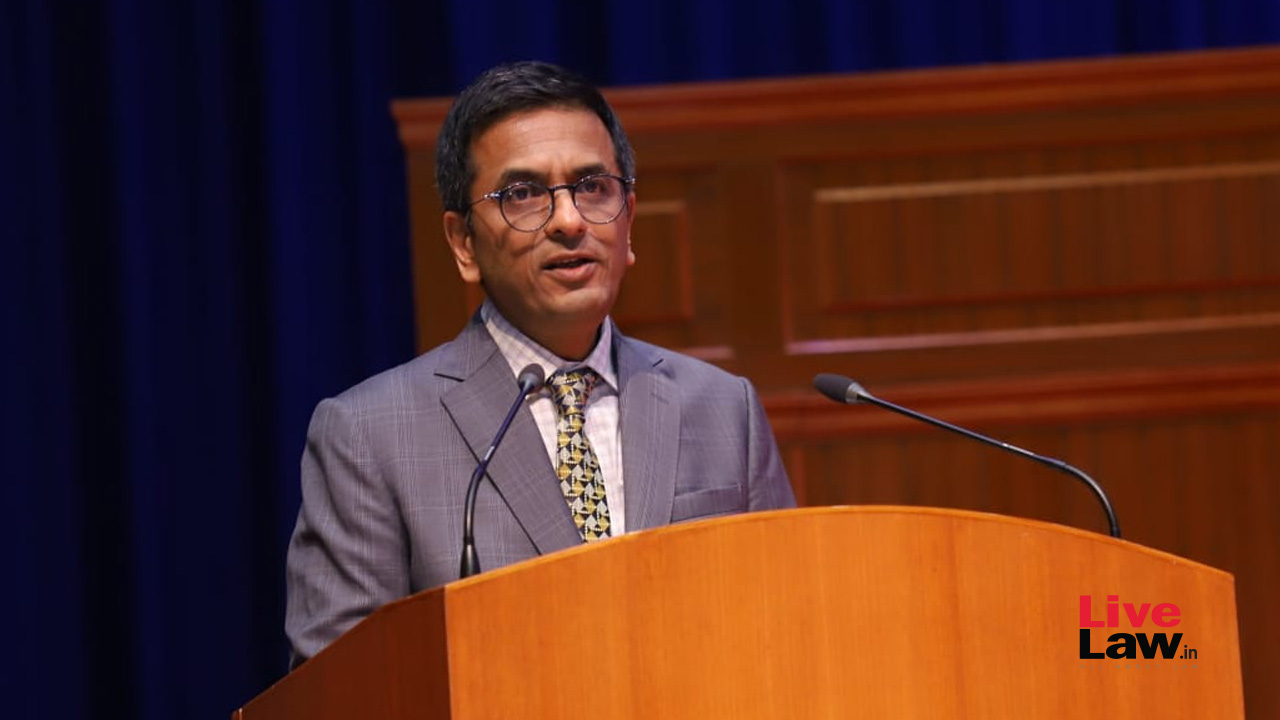
DELHI: India's Former Chief Justice, DY Chandrachud, criticizes lengthy undertrial custody, calling it a form of punishment. He argues for the prioritization of fundamental rights and warns against the misuse of national security laws. Highlighting cases like Umar Khalid's, he stresses the necessity for judicial review in such matters.
DELHI: Former Chief Justice of India DY Chandrachud has raised significant concerns about the long duration of undertrial custody, arguing that it amounts to a form of punishment, undermining the very essence of justice in the country's legal framework. Speaking at The Hindu's Lit for Life festival, Chandrachud emphasized that individuals should not languish in jail for years before their trials commence, as this violates their fundamental rights to a speedy trial and life.
The former CJI articulated his views in response to questions regarding national security, specifically addressing the cases of undertrials Umar Khalid and Sharjeel Imam, who have reportedly been incarcerated for over five years without bail or a trial. His statements came after a decision by the Supreme Court denying their bail, prompting a discussion about the fairness of stringent bail conditions under the Unlawful Activities (Prevention) Act.
Chandrachud's discourse revolved around three critical points regarding the use of national security laws. He indicated that even when raised by the State, claims of national security must undergo strict scrutiny. “If there is no possibility of the trial concluding in a reasonable time frame, the fundamental right to a speedy trial ought to take precedence,” he stated. Moreover, he cautioned against the tendency of national security arguments to override the presumption of innocence — a cornerstone of criminal law.
“Under various national security laws, the presumption of innocence is often turned on its head, transforming the pretrial period into a punitive measure rather than a protective one,” Chandrachud said. He underscored the necessity for reforming the criminal justice system, citing the alarming rate at which trials are prolonged, leaving innocent individuals to suffer in custody without any conclusion for years.
Chandrachud concluded his remarks by advocating for a balanced approach, stressing that unless there is substantial justification for incarceration — such as a legitimate fear of flight risk or evidence tampering — individuals should not be held in custody without trial. He affirmed, “Prolonged pretrial detention should not be a pathway to punishment; it represents a fundamental flaw in our legal system.”
Discussion
Loading comments...