Nepal Celebrates Rastriya Swatantra Party's Historic Win in 2026 Elections
Synced from Source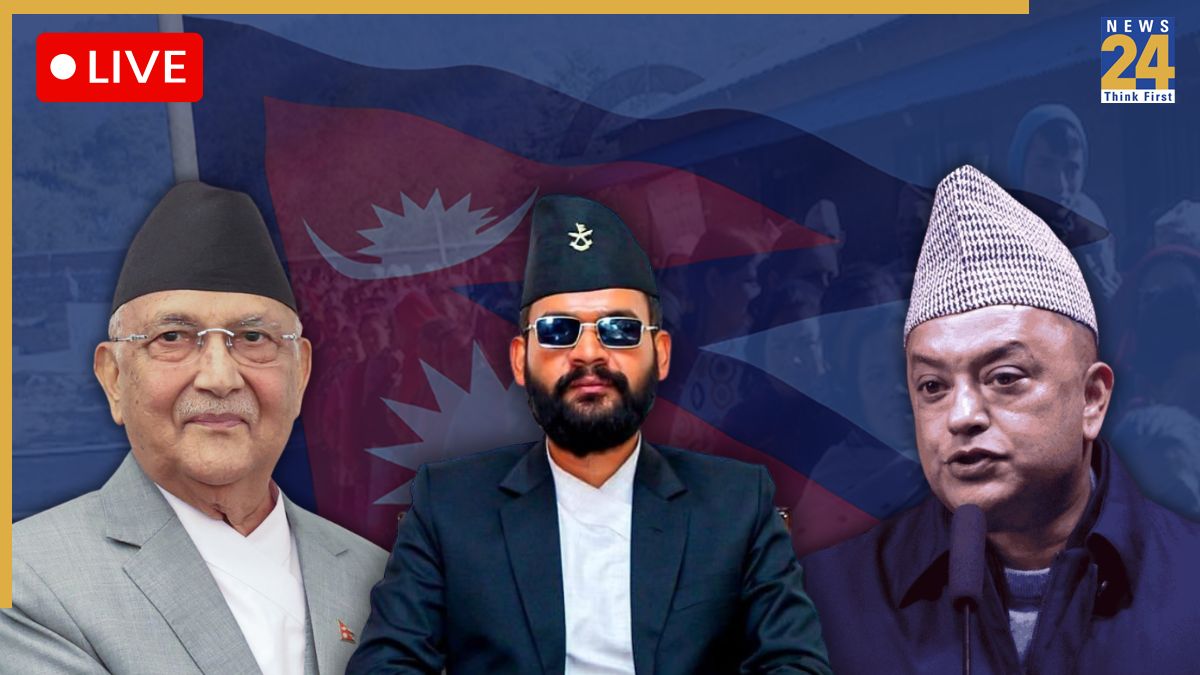
KATHMANDU: Celebrations erupted in Nepal as the Rastriya Swatantra Party led by Balen Shah achieved a landslide victory in the 2026 general elections. With a voter turnout of approximately 60%, the party is set to reshape the country’s political landscape. Early results indicate significant wins across major constituencies, signaling a shift towards newer political forces amid demands for reform.
KATHMANDU: Nepal is witnessing unprecedented celebrations following the early results of the 2026 general elections, where the Rastriya Swatantra Party (RSP) led by Balen Shah appears to have secured a dominant position. Polling concluded on Thursday, and the initial trends suggest that the RSP has made significant inroads into traditional bastions previously held by established parties such as the Nepali Congress and the Communist Party of Nepal.
This election marks a pivotal moment in Nepal's political history, occurring just months after widespread protests led by Gen Z activists. These protests demanded accountability and political reforms, directly influencing the recent electoral enthusiasm among young voters. Preliminary estimates indicate a voter turnout of about 60%, a substantial boost attributed to the active involvement of younger demographics in the electoral process.
As counting continues, reports indicate that the RSP is ahead in 70 out of the 94 constituencies where results are being tabulated. In a notable contest, Balen Shah is decisively leading against former Prime Minister K P Sharma Oli by a margin of over 10,000 votes, a clear indication of shifting political allegiances within the electorate.
Chief Election Commissioner Ram Prasad Bhandari stated that the counting process is ongoing and is expected to conclude shortly. Results will be formally announced within 24 hours of the completion of counting—a significant improvement compared to the previous election, which saw delays of nearly two weeks.
The widespread celebrations, characterized by music, dancing, and ringing bells symbolizing the RSP, punctuate a transformative period in Nepal's governance landscape. Many voters express hope that this change will lead to much-needed reforms and a departure from historical problems like corruption. The electoral success of the RSP suggests a growing appetite for innovative political solutions among Nepal's electorate, raising expectations for an invigorated political landscape in the coming years.
Discussion
Loading comments...