India Embraces AI as Platform Shift, Says Sundar Pichai
Synced from Source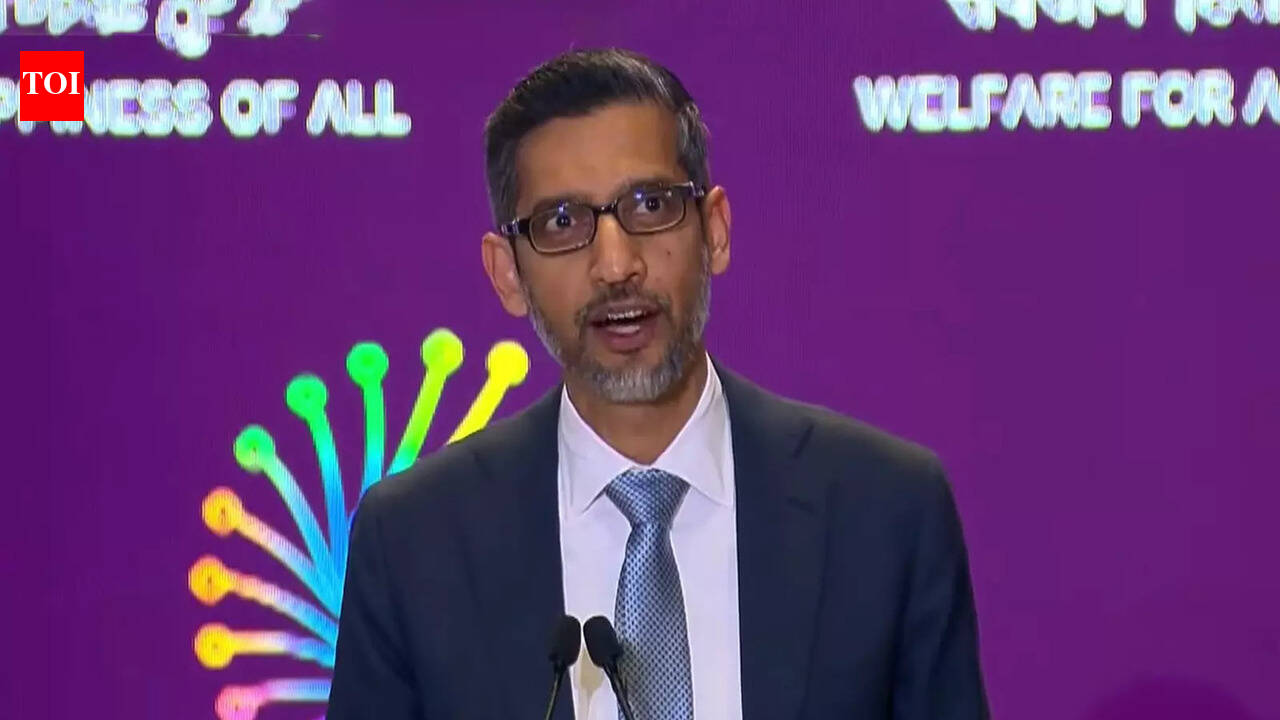
MUMBAI: Sundar Pichai, CEO of Google, claims that Artificial Intelligence represents the most significant platform shift in our lifetime. Speaking at a press conference, he emphasized India's pivotal role in the future of AI developments. This transformation prompts businesses and societies worldwide to adapt and innovate in response to the rapid advancements in technology.
MUMBAI: In a groundbreaking statement, Sundar Pichai, the CEO of Google, declared that Artificial Intelligence (AI) is the most significant platform shift that humanity has experienced in recent years. Speaking at an industry conference in Mumbai, Pichai highlighted the transformative potential of AI technologies, stating, "We are on the verge of a new era where AI will fundamentally change how we interact with technology and each other."
The context behind Pichai's remarks underscores the growing influence of AI in various sectors, from healthcare to education. He further noted that India stands at the forefront of this technological revolution. "With its vast pool of talent and vibrant start-up culture, India is uniquely positioned to lead in AI innovation," he stated, compelling attendees to consider the implications of AI's integration into daily life.
The impact of this shift will be profound for the common reader. Pichai emphasized that as AI becomes increasingly integrated into personal devices, businesses, and governmental frameworks, it is crucial for societies to adapt proactively. "We must ensure that technology works for everyone, lifting burdens and creating opportunities," he urged, prompting a call to action for businesses worldwide to embrace these new technologies responsibly.
As AI technologies evolve, they represent not just a challenge but also an opportunity for economic growth and societal improvement. The implications of AI integration may redefine job roles, reshape industries, and revolutionize education, making it essential for individuals and organizations to engage in this critical conversation.
Discussion
Loading comments...