Sharjeel Imam Denies Ties to Umar Khalid in Delhi Court
Synced from Source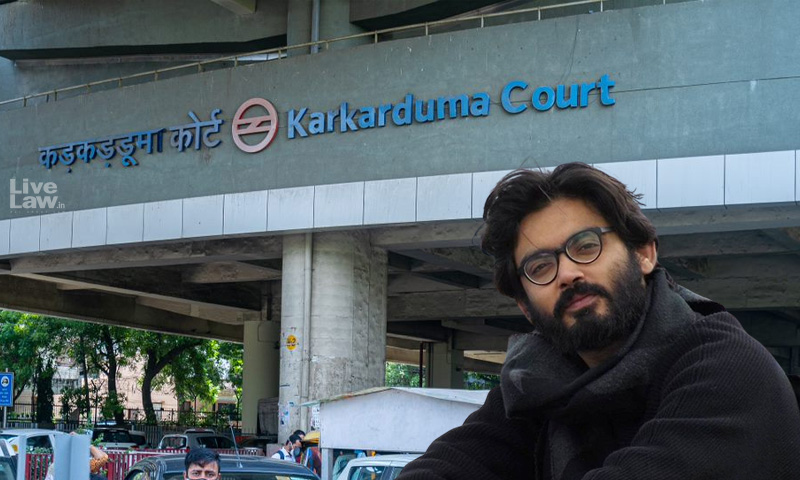
DELHI: Sharjeel Imam denied in court that Umar Khalid was his mentor and stated there was no collaboration with him regarding the 2020 Delhi riots. Imam's lawyer argued against charges framing in a larger conspiracy, highlighting Imam's opposition to violence during protests. Both Imam and Khalid were denied bail by the Supreme Court, asserting their significant roles in the alleged conspiracy.
DELHI: Sharjeel Imam faced a Delhi Court on Thursday, categorically denying any affiliation with Umar Khalid, whom he described as not being his mentor. Imam entered the courtroom amid heightened scrutiny, countering allegations that he coordinated with Khalid in relation to the violence during the 2020 North-East Delhi riots. His advocate, Talib Mustafa, emphasized that Imam and Khalid never interacted during Imam's five years at Jawaharlal Nehru University, disputing the claim put forth by the Delhi Police that a relationship existed to orchestrate violence.
Mustafa reinforced that Imam had always espoused non-violent methods during the protests against the Citizenship Amendment Act (CAA) in 2019-20. This assertion comes in the context of FIR 59 of 2020, which the Delhi Police’s special cell is investigating concerning the alleged larger conspiracy behind the riots. The implications of this case are profound as it includes various offenses under the Indian Penal Code and the Unlawful Activities (Prevention) Act, concentrating on the orchestration of violent protests.
The stakes have been raised following the Supreme Court's recent ruling to deny bail to both Imam and Khalid, citing their integral roles in the supposed architecture of the conspiracy. The court's decision underscored their positioning at the helm of the alleged command. Amidst ongoing legal turmoil, other accused individuals in this case await their fate as the judicial proceedings continue, making the implications of this trial significant not only for the accused but for the socio-political landscape of India. The nature of these proceedings raises questions about civil liberties and the scope of state power in addressing dissent within the country.
Discussion
Loading comments...