Bangladesh Endorses Democratic Reforms in Historic Referendum
Synced from Source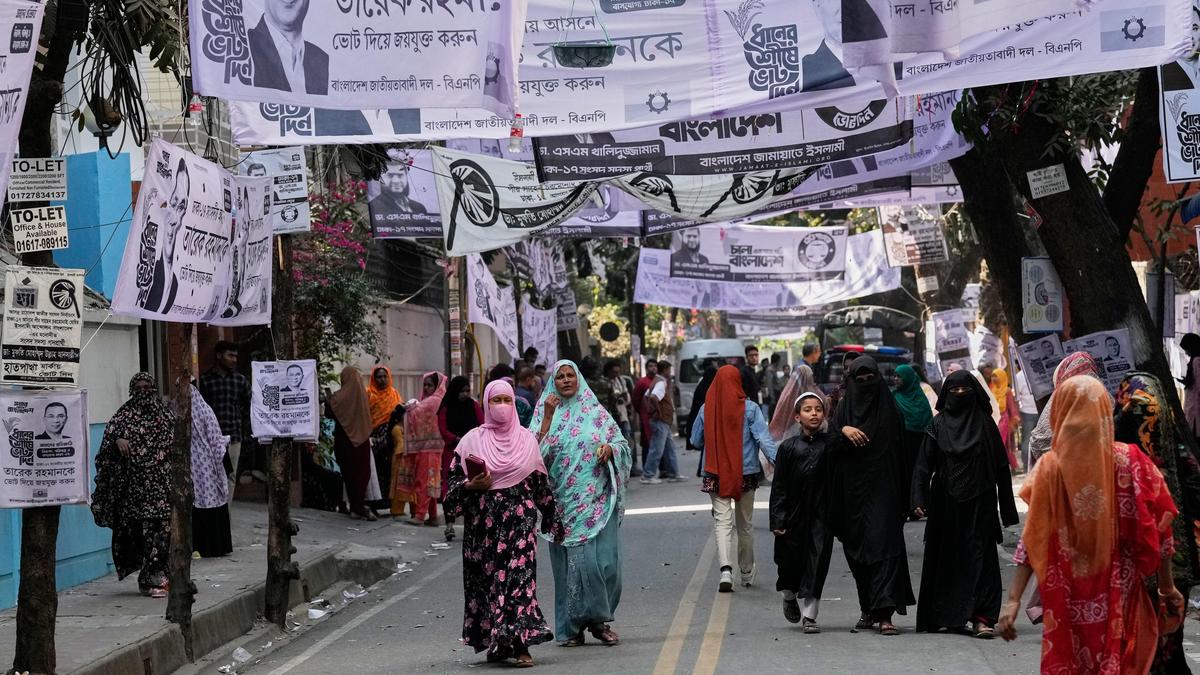
DHAKA: Bangladeshi voters have backed significant democratic reforms in a national referendum, following parliamentary elections. Over 60% endorsed the "July Charter," which includes term limits and increased female representation. The Bangladesh Nationalist Party has promised to implement agreed reforms.
DHAKA: In a significant turn for Bangladesh's political landscape, voters have endorsed sweeping democratic reforms in a national referendum held on February 12, 2026. This referendum accompanies the parliamentary elections and signifies a critical transition following the fall of Sheikh Hasina's government after a 2024 uprising. The Election Commission announced that over 60.2% of voters backed the reform initiative, a key component of Nobel Peace Prize laureate Muhammad Yunus’s post-uprising agenda.
Dubbed the "July Charter" after the month the uprising began, the reform document proposes a series of changes aimed at enhancing democratic governance. Among the proposed reforms are the introduction of term limits for prime ministers, the establishment of an upper house of parliament, an expansion of presidential powers, and increased judicial independence. Importantly, the charter also aims to bolster female representation in parliament and ensures that opposition parties will elect deputy speakers and parliamentary committee chairs.
Muhammad Yunus, who has stepped in as the interim leader amidst what he refers to as a "completely broken" political system, characterized these reforms as essential to thwart any tendencies towards re-establishing authoritarian rule. The referendum's implications are profound; it stated that a favorable vote would obligate the winning parties in the following elections to endorse the charter.
Despite the referendum's success, dissenting voices emerged, with several parties expressing concerns prior to the vote. Even though the reforms have been approved, they will still necessitate ratification by the new parliament. The Bangladesh Nationalist Party (BNP) emerged with a commanding victory, securing more than two-thirds of the parliamentary seats. Senior BNP leader Mirza Fakhrul Islam Alamgir stated, "We will implement the parts of the July Consensus that we have signed on a priority basis," indicating a commitment to the reform agenda amidst varying political opinions.
As Bangladesh steps into this new chapter, the success of these reforms will be closely watched, with citizens hopeful for a more democratic and inclusive political future.
Discussion
Loading comments...