AAP Questions Loyalty of Raghav Chadha After Leadership Changes
Synced from Source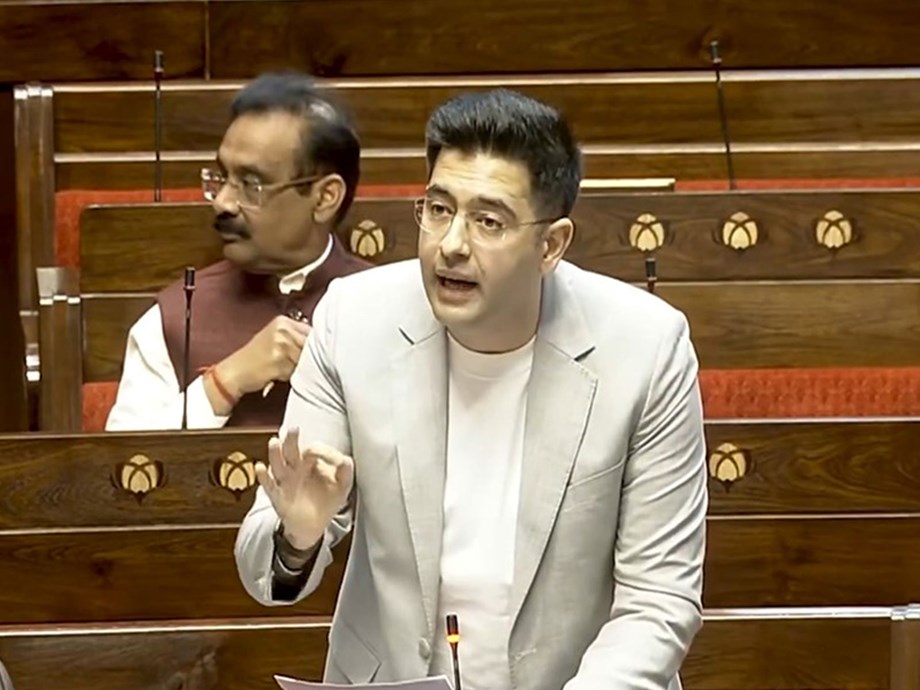
DELHI: Raghav Chadha claims he was silenced after being ousted as AAP's Deputy Leader. He argues he represented public concerns while party leaders criticize his alignment with AAP priorities. The situation raises questions about loyalty within the party.
DELHI: Raghav Chadha, recently removed from his position as Deputy Leader of the Aam Aadmi Party (AAP) in the Rajya Sabha, expressed his discontent over what he describes as an internal silencing rather than a straightforward defeat. His comments come amidst scrutiny of the AAP's internal dynamics following his ousting, which implicates key leadership decisions within the party.
In a statement, Chadha asserted his commitment to championing public grievances, particularly around pressing issues like exorbitant airport food prices. His advocacy was recognized as instrumental in the initiation of 'Udaan Yatri Cafes', aimed at providing affordable food options for travelers. However, his claims that he was sidelined by party leadership cast a shadow over the supportive structure of the AAP, raising questions about his future role in the party.
According to sources within AAP, the leadership's decision to replace Chadha with Ashok Mittal stemmed from a belief that he consistently deviated from party directives. Allegations against Chadha include his absence during critical political events, which leadership interprets as a lack of commitment to the party’s priorities. This internal conflict highlights the complexities of loyalty and advocacy within the AAP, as leadership re-evaluates party strategies amidst ongoing political challenges.
The implications of this situation go beyond Chadha’s personal circumstances. For ordinary citizens, it underscores the fragility of political alliances and the often tumultuous nature of party loyalty within India’s parliamentary system. With debates on governance and consumer rights growing more intense, the outcome of this internal strife may ultimately influence AAP’s effectiveness in advocating for public interests in the future.
Discussion
Loading comments...