USA Strikes Iranian Drone Carrier Amid Military Escalations
Synced from Source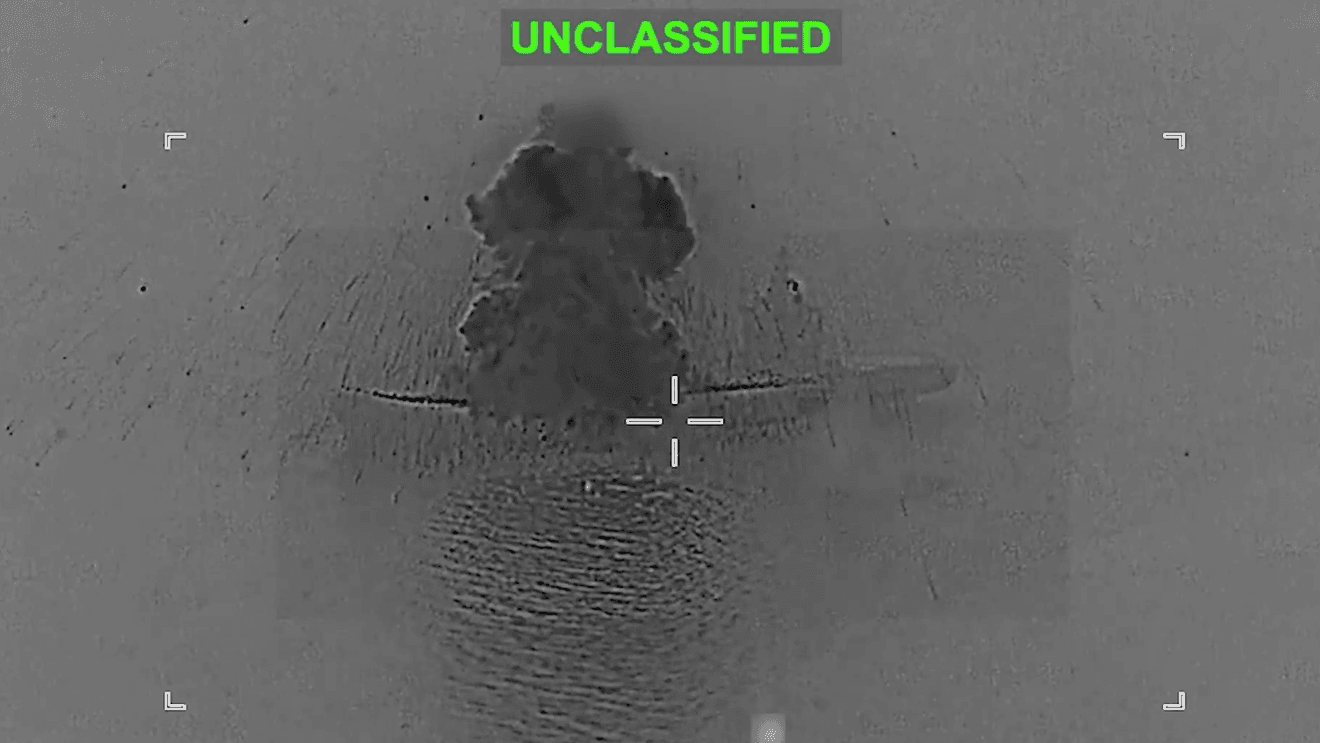
WASHINGTON: U.S. Central Command confirmed a strike on an Iranian drone carrier, which is now ablaze. Secretary of War Pete Hegseth emphasized that the operation is decisive, with significant U.S. military buildup in the Middle East. The Pentagon aims to challenge Iran's naval capabilities amid rising tensions.
WASHINGTON: In a stark escalation of military tensions, U.S. Central Command announced late Thursday that American forces have struck an Iranian drone carrier, leaving it ablaze at sea. This military action underscores Washington's resolve to diminish Iran's naval power, with U.S. officials proclaiming they are not "holding back" in their commitment to potentially sink "the entire Iranian navy."
At a press briefing earlier in the day, Secretary of War Pete Hegseth supported this tough stance, declaring that Operation Epic Fury "is advancing decisively." Hegseth added that Iran had made a "bad miscalculation" about the U.S. military's capacity to sustain its operations in the region. His remarks came during a joint conference with Admiral Brad Cooper, Commander of U.S. Central Command, at the CENTCOM headquarters in Tampa, Florida.
To fortify its position for the operation, the Pentagon is significantly amplifying its military presence in the Middle East, a move described as one of the largest buildups of American forces in the region in decades. This includes the deployment of two aircraft carrier strike groups and an increase in U.S. fighter jets stationed in both the Middle East and Europe. Reports from the Military Air Tracking Alliance indicate that over 100 fighter jets, such as F-35s, F-22s, and other variants, have been dispatched from U.S. and European bases to bolster the military efforts against Iranian threats.
As tensions continue to rise and military movements escalate, both the international community and ordinary citizens are watching closely. The implications of this confrontation could influence regional stability and safety for commercial shipping routes that the Iranian navy currently threatens, making the stakes higher for all involved.
Discussion
Loading comments...