Oman, Iran Discuss Smooth Transit in Strait of Hormuz
Synced from Source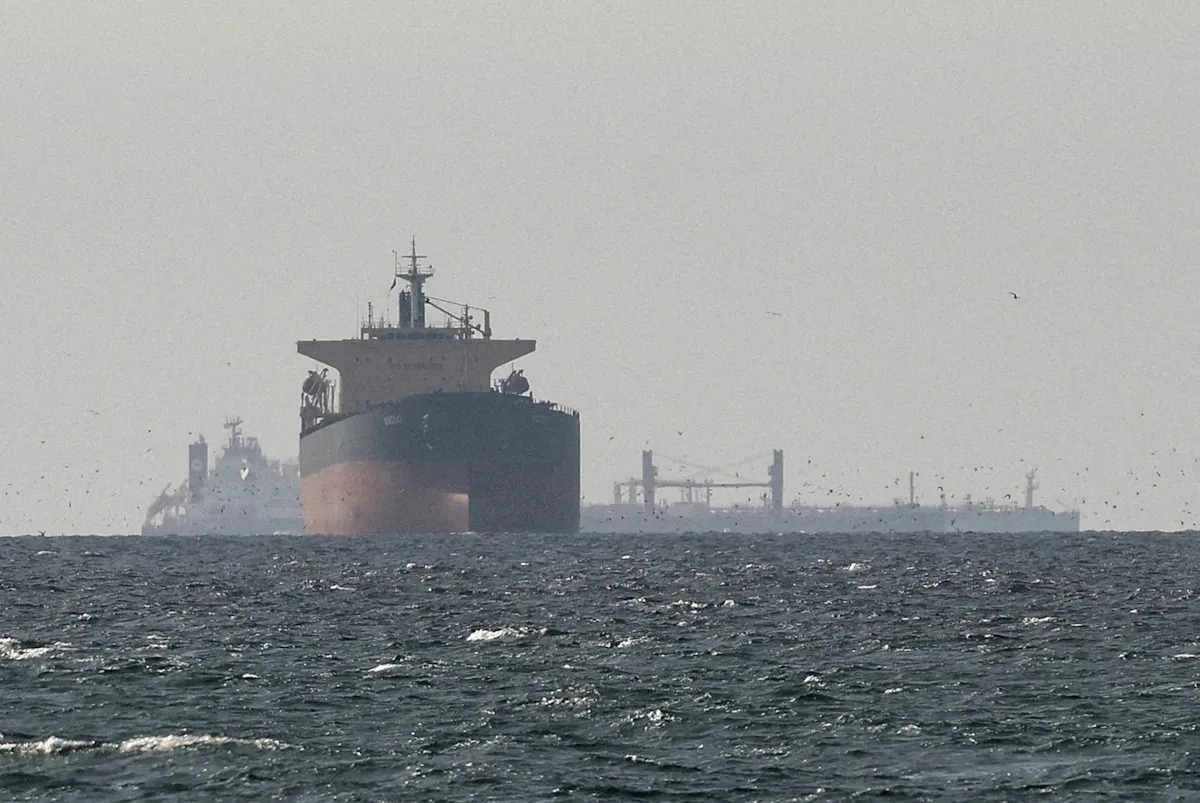
MUSCAT: Oman and Iran have held talks to ensure the smooth transit of vessels through the Strait of Hormuz. The discussions involved options to facilitate maritime movement amid ongoing regional tensions. Three Omani ships were recently seen navigating the strait, raising concerns over Iranian restrictions on shipping traffic.
MUSCAT: Oman and Iran convened at the deputy foreign minister level to discuss ways to ensure the smooth transit of vessels through the strategically vital Strait of Hormuz, a crucial passageway for global oil and gas shipments. According to the Omani Foreign Ministry, the meeting took place on Saturday and was attended by specialists from both nations, allowing for an in-depth dialogue about maritime safety amidst rising tensions in the region.
“Possible options were discussed regarding ensuring the smooth passage through the Strait of Hormuz during these circumstances witnessed in the region,” the ministry stated in its announcement. Experts presented various proposals which will now be reviewed for practical implementation. This diplomatic effort comes against the backdrop of stringent Iranian measures that have limited vessel traffic in the strait, a crucial conduit through which approximately one-fifth of the world's oil supplies travel.
Recent tracking reports indicate that three Omani ships, including two oil supertankers and a liquefied natural gas carrier, transited the Strait of Hormuz just outside Iran’s “approved corridor.” These ships were observed sailing unusually close to the Omani coast, highlighting the complex dynamics at play in a region already embroiled in conflict. Meanwhile, Iranian officials have revealed plans to draft protocols with Oman for monitoring maritime traffic in the strait, indicating a commitment to cooperation, even amid heightened tensions.
The significance of the Strait of Hormuz cannot be understated, as any disruption can ripple through global energy markets, prompting oil- and gas-importing nations to explore alternative supply routes. The ongoing conflict, exacerbated by the US-Israeli war against Iran, has already trapped around 3,000 vessels, severely impacting shipping routes. Amidst these developments, U.S. President Donald Trump has expressed strong sentiments about reopening the strait, warning of severe consequences if it remains blocked.
As the situation evolves, experts warn that the potential for further escalation remains high, emphasizing the urgent need for diplomatic solutions to stabilize the region.
Discussion
Loading comments...