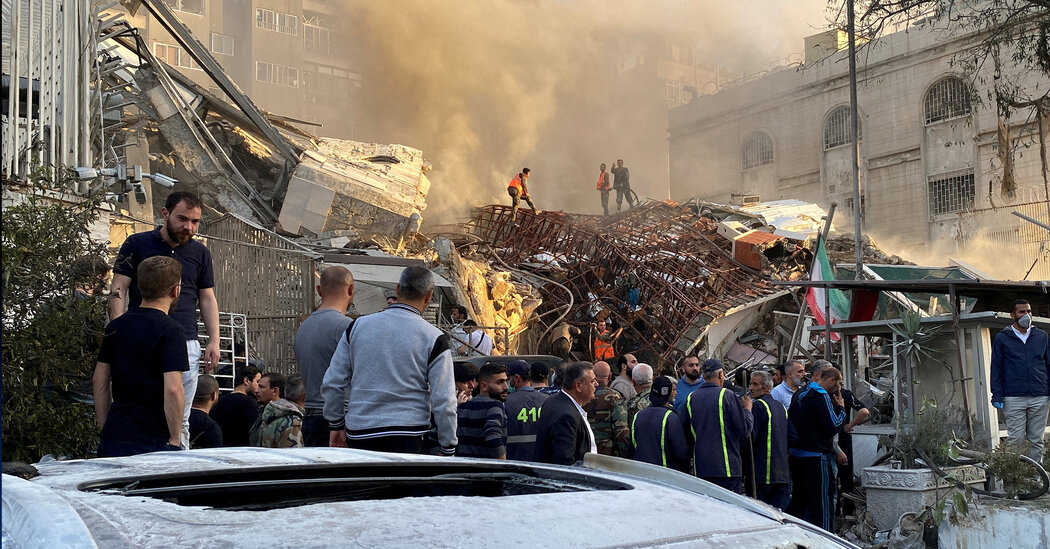
TEHRAN: As the conflict in Iran nears the two-week mark, tensions reach alarming heights. Both Iran and Israel have ramped up military strikes and heated threats. The escalating situation poses a significant risk to regional stability and global security.
TEHRAN: As the conflict in Iran approaches its two-week milestone, military engagement intensifies with both sides ramping up strikes and issuing alarming threats. The strife comes as a response to a series of military actions launched by Israel, targeting Iranian positions believed to be involved in missile production. Reports indicate that Iranian forces have retaliated with drone strikes aimed at Israeli targets, marking a dangerous escalation in an already volatile situation.
Iran's Defense Minister warned, "We will not stand idly by as our sovereignty is challenged." The response from Israeli officials was swift, with Prime Minister Naftali Bennett stating, "We will continue our operations to eliminate threats wherever they arise." Both nations appear willing to escalate their military involvement, contributing to a climate of fear and uncertainty among the civilian populations.
The consequences of this tit-for-tat cycle extend beyond military lines. As strikes continue, the potential for civilian casualties grows, and humanitarian organizations report increasing numbers of displaced people. This conflict threatens to destabilize not only the region but also international relations, which have been strained by a multitude of geopolitical conflicts in recent years.
Observers express concern that unless diplomatic efforts are mobilized quickly, the situation could spiral further out of control. The international community remains anxiously watchful, urging both sides to seek a peaceful resolution to prevent an all-out war. As the world awaits developments, the implications for global security, energy markets, and political stability loom large, raising the stakes for both nations and their allies.
Discussion
Loading comments...