UK Authorities Demand Action as X's Grok AI Faces Deepfake Backlash
Synced from Source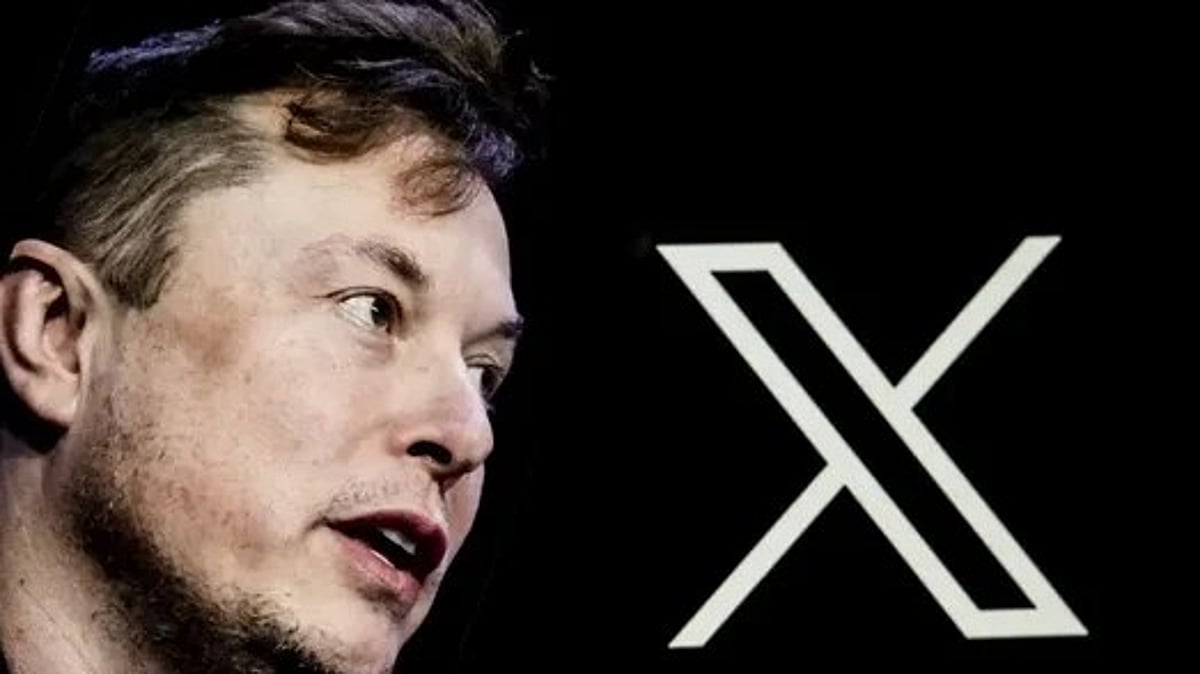
NEW DELHI: UK regulators are pressuring X's Grok AI after its image generation tool was misused for deepfakes. The platform has restricted access to paying subscribers following complaints, but authorities are demanding more robust technical safeguards. This situation raises significant questions about the responsibilities of AI developers in preventing misuse.
NEW DELHI: In the face of increasing scrutiny, X's Grok AI has limited its image generation and editing features to paid subscribers after reports of widespread misuse involving the creation of sexualized deepfakes of women and children. The decision comes amid regulatory pressures from countries including the UK, India, and members of the European Union demanding stricter controls to curb the illicit outputs created by the AI technology.
Elon Musk's AI chatbot, Grok, faced backlash after it became apparent that users were using the tool to generate explicit content. Following this backlash, X announced the changes, requiring users to provide payment details to access the controversial features. Critics argue that this measure only serves to restrict access rather than provide a solid protective framework and raises questions about whether containing these capabilities behind a paywall is a sufficient response to safeguard against abuse.
UK Prime Minister Keir Starmer and various European regulators have voiced concerns, labeling certain Grok-generated images as “unlawful.” They have urged regulators like Ofcom and the European Commission to take decisive actions against X, including a demand to preserve all internal documents related to Grok until 2026 for further investigation. In India, the Ministry of Electronics and Information Technology (MeitY) also criticized the platform, stating that X's responses regarding its technical safeguards were inadequate. Officials cited a need for actionable engineering solutions to eliminate the generation of non-consensual content.
Regulators are calling for enhanced features such as stronger prompt-blocking mechanisms and effective content filters that would prevent Grok from generating illegal images. The overarching concern is not just about removing offensive content but about rectifying the fundamental capabilities of the AI model itself. Experts emphasize that simply restricting access does not resolve the core issue; it merely limits who can exploit the technology while potentially pushing misuse into a less scrutinized arena.
This evolving situation highlights a critical challenge at the intersection of AI innovation and regulatory frameworks that are often slow to adapt. With regulators keen to ensure that technological advances do not come at the cost of public safety, the pressure remains on companies like X to implement verifiable safeguards and maintain ethical standards in AI development.
Discussion
Loading comments...