Trump Launches Offensive Against Maduro in Venezuela
Synced from Source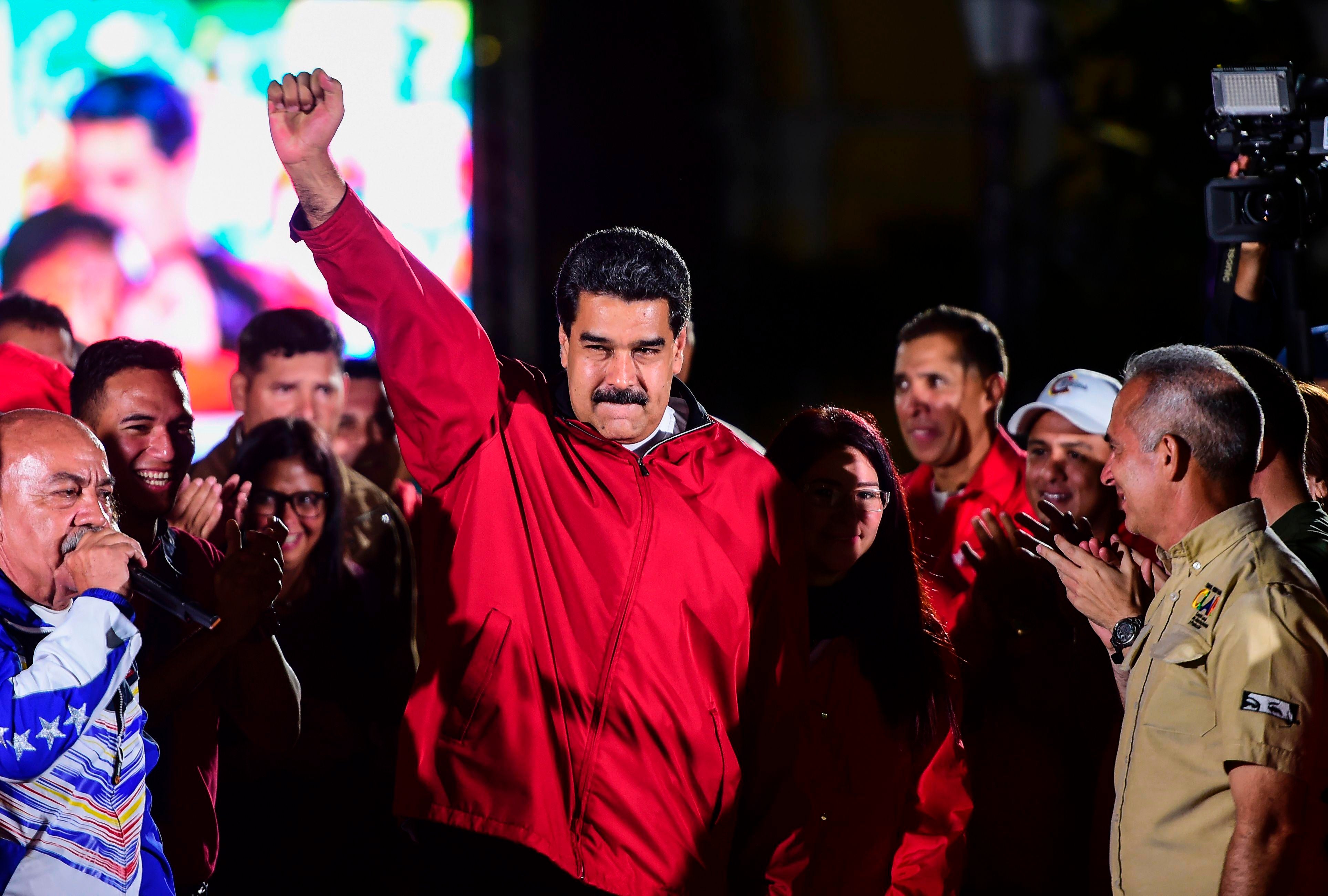
WASHINGTON: Donald Trump announced a military offensive against Venezuela, ousting President Nicolas Maduro. The attack aims to seize control of Venezuela's vast oil reserves and counteract Maduro's ties with Beijing. Despite concerns raised, analysts suggest limited impact on India, as its trade with Venezuela is relatively low.
WASHINGTON: In a bold move, U.S. President Donald Trump announced a military offensive against Venezuela on January 2, 2025, resulting in the ousting of President Nicolas Maduro. Describing Maduro as an agent of "violence, terror, and subversion" against the United States, Trump justified the raid as necessary for national security and regional stability. His administration views the Venezuelan leader as a key threat, having allegedly facilitated narcotics trafficking and illegal immigration to the U.S.
Several days prior to the offensive, Maduro had adopted a reconciliatory stance towards the U.S., a shift that came too late to prevent the military intervention. Trump emphasized the need to control Venezuela's vast oil resources, stating, “We have the greatest oil companies in the world, the biggest and the best, and we’re going to be very much involved in it.” With oil reserves estimated at over 300 billion barrels, Venezuela's potential wealth in energy has long been a target for U.S. ambitions.
While analysts point to geopolitical motives, Trump's actions come as he reacts to Maduro's growing ties with China, noted during a recent meeting between Maduro and a Chinese delegation that highlighted friendship and cooperation. Trump’s offensive is not without criticism, as various experts foresee that the instability in Venezuela may not significantly impact other nations, including India, whose trade connections are minimal. In fiscal year 2025, India's imports from Venezuela were estimated at just over $350 million.
India's official response to the situation has been measured, voicing concern while calling for dialogue to resolve the impending crisis. As the U.S. prepares to solidify its presence in Venezuela, questions linger regarding the long-term implications for the region and whether neighboring countries like Colombia and Cuba will find themselves in the crosshairs next. The unfolding events not only shape the political landscape in Latin America but also set the stage for future global power dynamics.
Discussion
Loading comments...