USA Profits Amid Global Tensions Over Strait of Hormuz
Synced from Source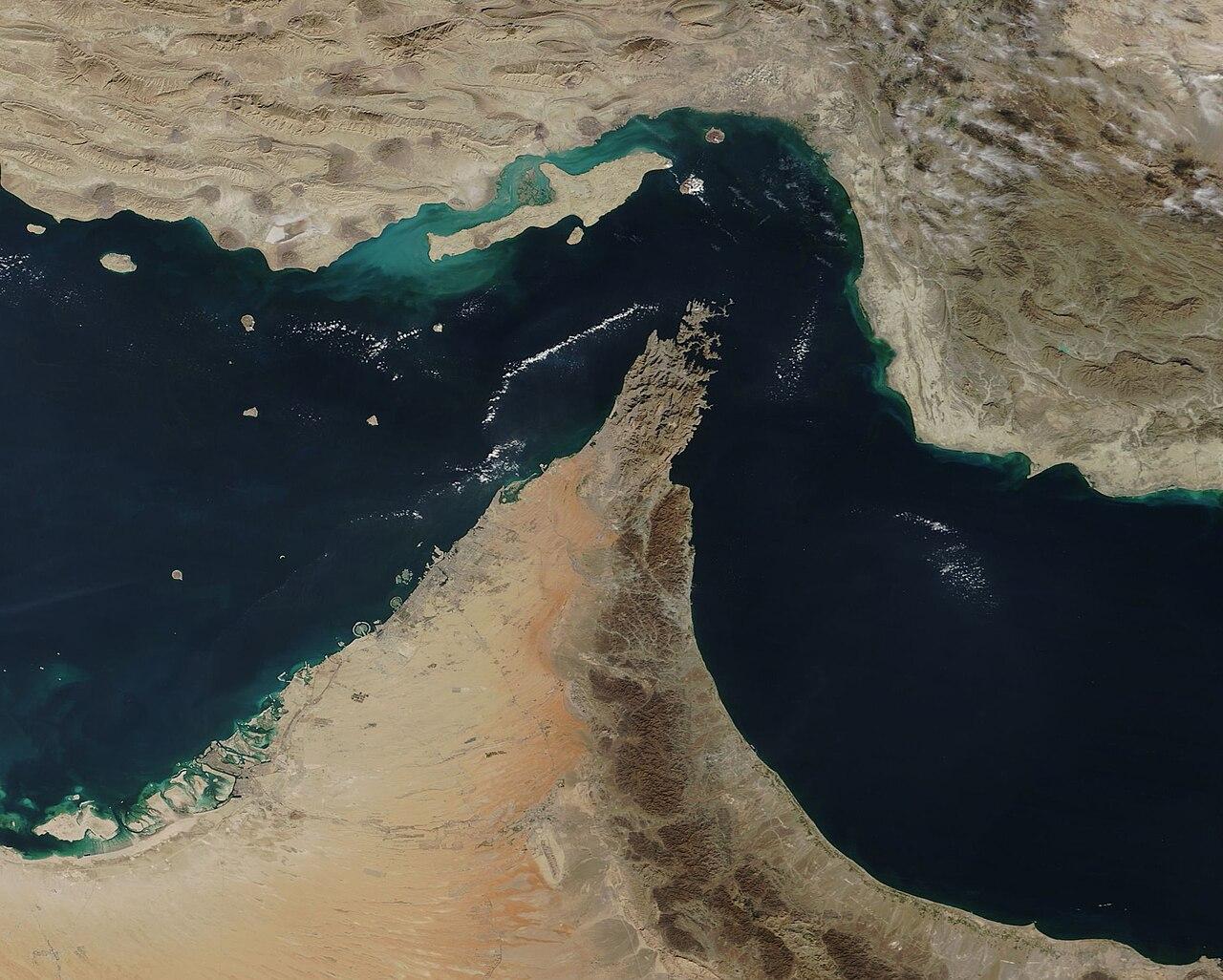
WASHINGTON, D.C.: The recent choke in the Strait of Hormuz has led to rising tensions affecting numerous countries, but the United States appears to be benefitting. As global oil supply becomes threatened, American oil producers are seeing higher prices and increased demand. This dynamic further accentuates geopolitical complexities in the region.
WASHINGTON, D.C.: Recent developments in the Strait of Hormuz, a vital chokepoint for global oil transportation, have sparked significant tensions among several nations. While countries like Iran and oil-dependent economies feel the brunt of rising prices and supply disruptions, one nation appears to be navigating the turmoil with surprising success: the United States.
Reports indicate that with the increasing unrest in the region, American oil producers have been swiftly adapting to the changing landscape. As global oil prices surge due to fears of supply shortages, the U.S. has leveraged its robust production capabilities to capitalize on soaring demand. A spokesperson for a leading oil firm in Texas commented, “While this instability has adverse effects globally, it grants U.S. producers a unique opportunity to fill the gaps left by decreased exports from other countries.”
The geopolitical implications are profound. Countries reliant on oil imports from the Middle East are scrambling to secure alternative sources, while the U.S. stands poised as a primary supplier. However, the U.S. government has faced criticism for potentially benefiting from conflicts overseas, with many arguing that American strategic interests should prioritize global stability over profit. “In the face of crisis, we must remember the human cost of these events,” remarked an analyst from a Washington think tank. “The U.S. must navigate a fine line between economic incentives and moral responsibility.”
Why does this matter to the average citizen? The intertwining of oil supply, geopolitical tensions, and market forces ultimately impacts daily life. As fuel prices rise, consumers may soon feel the pinch at the pump, while international diplomatic efforts will play a critical role in future stability.
As the situation evolves, many eyes are on the U.S. navigation through these troubled waters, testing not only economic resilience but also ethical considerations in foreign policy.
Discussion
Loading comments...