India Revokes Detention of Climate Activist Sonam Wangchuk
Synced from Source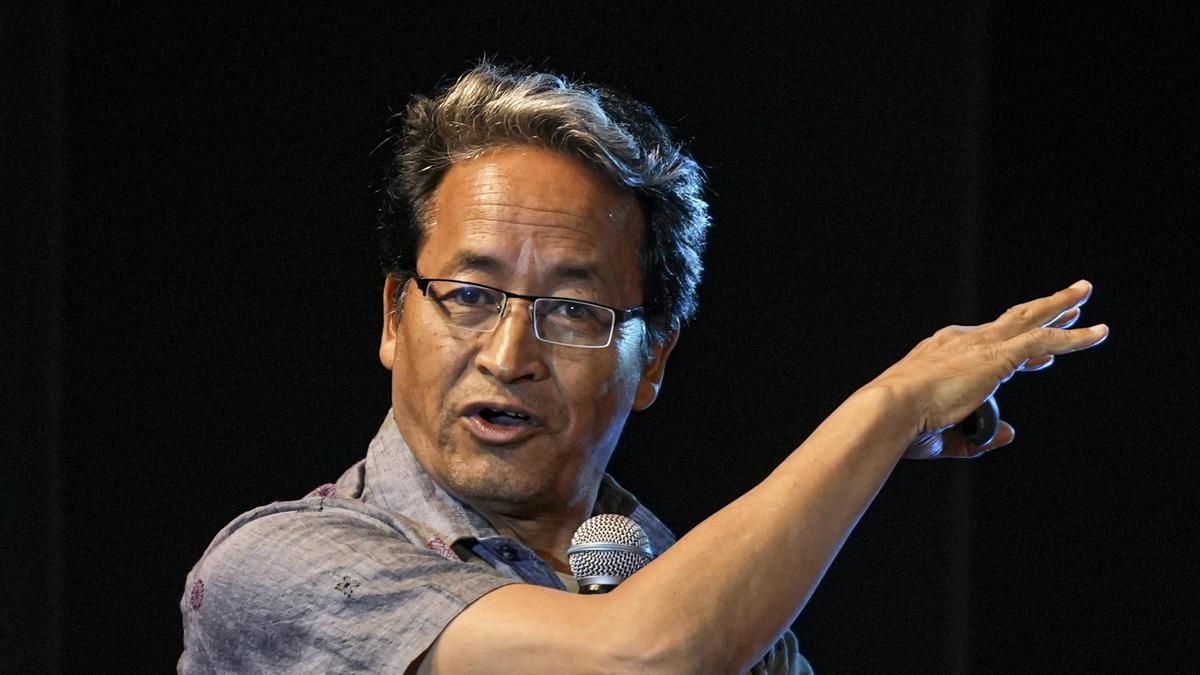
NEW DELHI: India’s Ministry of Home Affairs has revoked the detention of climate activist Sonam Wangchuk under the National Security Act. Wangchuk's release comes as his wife emphasized his commitment to dialogue over agitation for constitutional safeguards for Ladakh. The decision reflects the government's ongoing engagement with community leaders to address local concerns.
NEW DELHI: In a significant move, the Ministry of Home Affairs (MHA) announced on Saturday, March 14, 2026, the revocation of Sonam Wangchuk's detention under the National Security Act. Wangchuk, a prominent climate activist from Ladakh, had been imprisoned for allegedly inciting violence after referring to protests in neighboring countries. The MHA emphasized that this decision aligns with the government's commitment to fostering peace and constructive dialogue within the region.
The statement released by the MHA highlighted the government's dedication to addressing the aspirations and concerns of Ladakh's local populace. "We are actively engaging with various stakeholders, and with this revocation, we hope to promote mutual trust," the MHA indicated. Wangchuk, currently located at Jodhpur Central jail, has been vocal about continuing his activism under the framework of dialogue rather than confrontation, as stated by his wife, Gitanjali J. Angmo, in a recent interview.
Gitanjali expressed relief at the government's decision but made it clear that Wangchuk's approach to activism would shift towards promoting constitutional safeguards for Ladakh via discussion. The activist had stated through social media just prior to the announcement of his release that he felt the movement surrounding Ladakh's identity and rights required unity and clarity through open conversations.
This political development occurs amidst a complicated backdrop of legal battles and health claims surrounding Wangchuk’s detention. The Centre had previously argued against his release on health grounds, claiming that he was physically fit during the entirety of his confinement. As the case moves forward, the implications of Wangchuk’s activism on local ecology and youth representation will continue to be scrutinized, making his contributions pivotal to Ladakh's socio-political landscape.
Wangchuk’s release signifies a moment of hope for many in Ladakh who are advocating for ecological preservation and democratic rights, highlighting the power of sustained activism and community advocacy in driving governmental change.
Discussion
Loading comments...