India’s Supreme Court Rejects Justice Yashwant Varma’s Challenge to Inquiry Panel
Synced from Source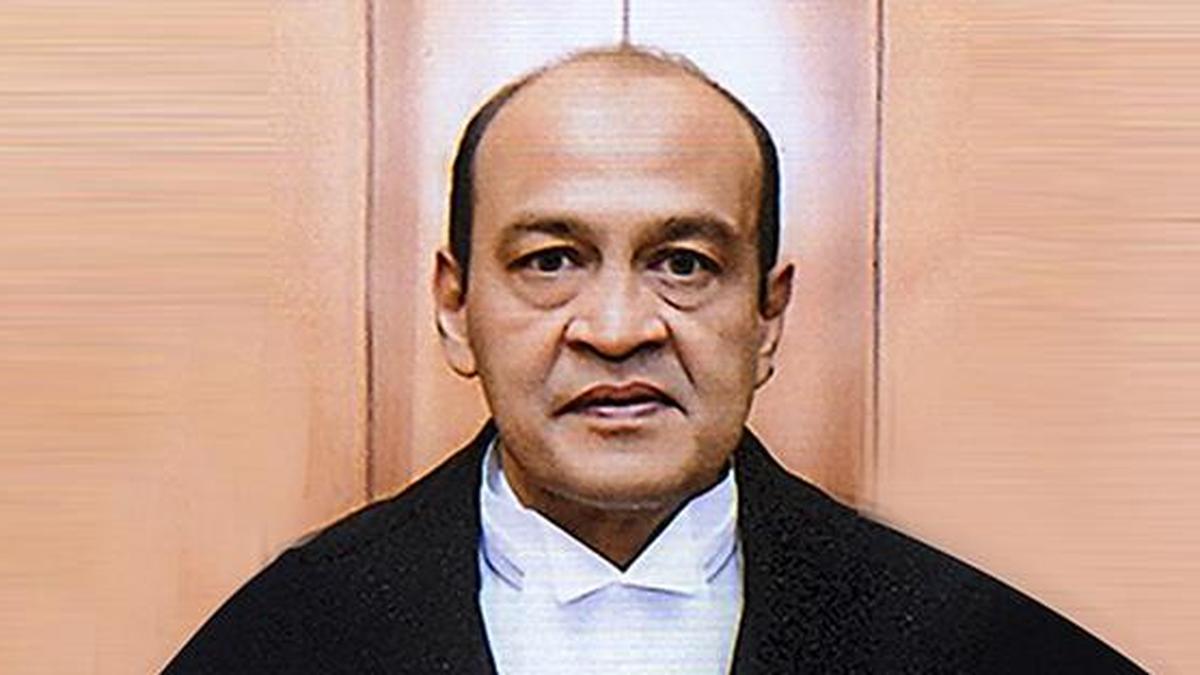
NEW DELHI: The Supreme Court of India rejected Justice Yashwant Varma’s petition against the Lok Sabha Speaker's unilateral formation of an inquiry panel. This decision followed allegations concerning burnt currency found at his residence. The court found no procedural irregularity in the committee's establishment, allowing Parliament to deliberate the judge's potential removal.
NEW DELHI: The Supreme Court of India has made a significant ruling by rejecting a petition filed by Allahabad High Court judge Justice Yashwant Varma, who challenged the “unilateral” formation of an inquiry committee set by Lok Sabha Speaker Om Birla. The inquiry relates to allegations concerning burnt currency discovered on the judge’s premises in March 2025.
The ruling was made by a bench led by Justice Dipankar Datta, which found no merit in the claims put forth by Justice Varma, who was identified as 'X' in the case title. Justice Datta announced that the court had previously reserved its judgment on January 8, clarifying that the committee, comprising three esteemed judicial figures including Supreme Court Justice Aravind Kumar and Chief Justice of the Madras High Court M.M. Shrivastava, was legitimately constituted under the Judges (Inquiry) Act on August 12, 2025.
The notion for forming this committee stemmed from a collective notice of motion presented by over 140 MPs from the Lok Sabha, seeking the removal of Justice Varma. The Solicitor General Tushar Mehta represented the Lok Sabha and Rajya Sabha Secretariats, asserting that Justice Varma could not demonstrate any bias or procedural impropriety in the committee's formation.
Justice Varma had contended that the establishment of the inquiry panel violated his constitutional rights, claiming that the committee’s creation lacked the requisite joint consultation mandated by the Judges (Inquiry) Act. Although notices for removal were delivered to both Houses of Parliament with sufficient support, only the Speaker constituted the committee, leading to Varma's claim of an unlawful process.
Ultimately, the court emphasized that the inquiry's findings would be submitted to Parliament, where it would be the prerogative of its members to decide on the judge's future. With documents revealing political endorsements from various factions in Parliament, this ruling underscores the complexities involved in judicial oversight and legislative accountability in India.
Discussion
Loading comments...