Trump Announces Coalition to Escort Naval Vessels in Strait of Hormuz
Synced from Source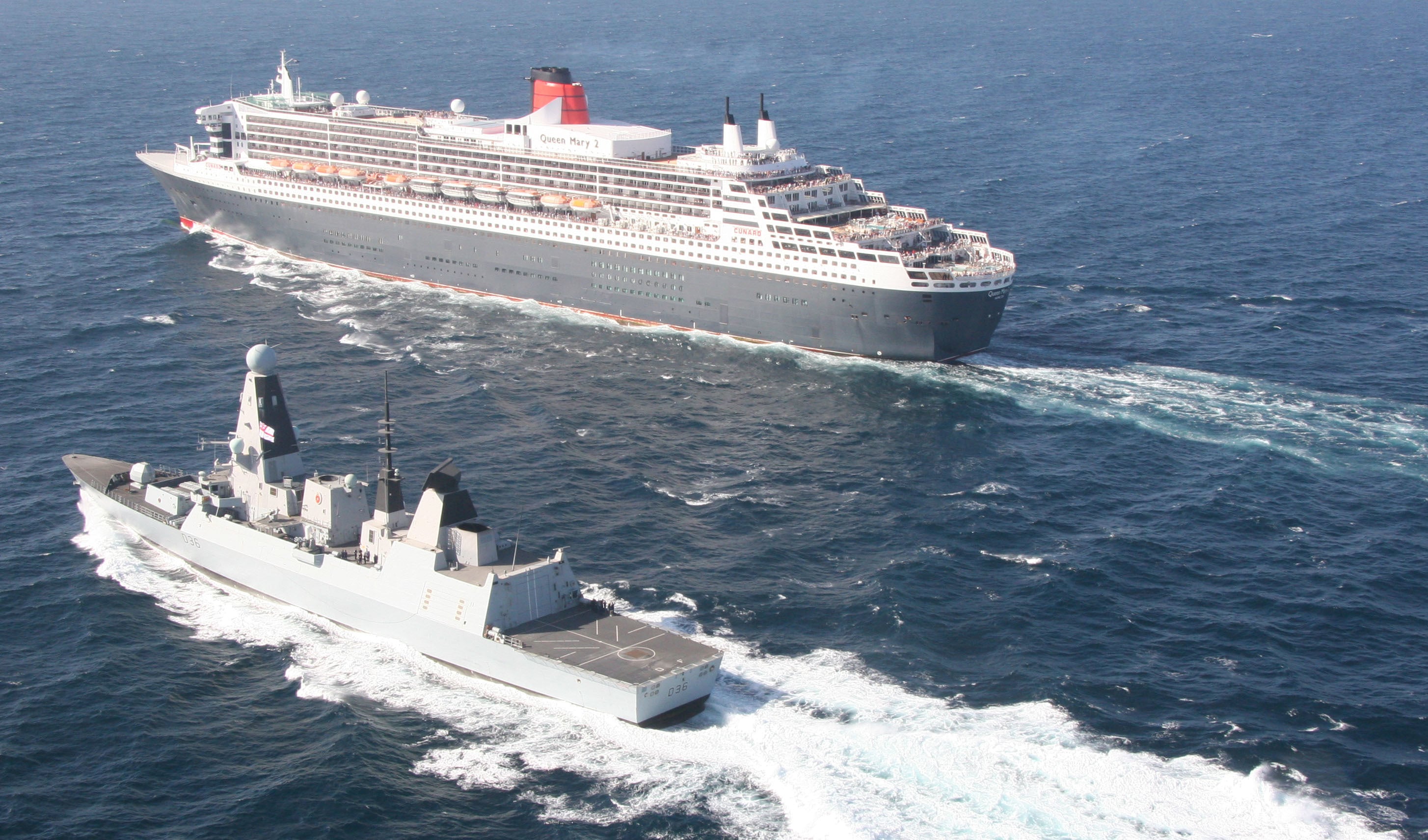
WASHINGTON D.C.: Donald Trump announced plans for a coalition to escort commercial vessels in the Strait of Hormuz amid escalating tensions with Iran. This initiative aims to bolster maritime security in the region, crucial for global oil shipments. Experts believe this move could significantly impact diplomatic relations and military engagements in the area.
WASHINGTON D.C.: In a bold strategic move, Donald Trump has announced the formation of a coalition aimed at escorting commercial vessels in the strategically vital Strait of Hormuz. This decision comes on the heels of escalating tensions between the United States and Iran, which have raised concerns over the safety of shipping lanes crucial for global oil transportation.
During a press conference, Trump stated, "We cannot allow Iran to threaten the flow of commerce and the safety of our allies in this expansive waterway." The Strait of Hormuz, which connects the Persian Gulf with the Gulf of Oman, is a critical transit point for oil tankers, with approximately 20% of the world’s petroleum passing through it. Trump's administration has cited multiple incidents where Iranian forces have harassed commercial vessels, prompting urgent action to safeguard maritime operations.
The coalition will reportedly include naval forces from allied nations and will begin operations in the coming weeks. Defense Secretary Mark Esper emphasized the immediate need for protection in the region, stating, "Our partners understand the urgency of this situation, and this coalition will serve as a deterrent against any aggressive actions by Iran." The U.S. has been engaged in a military buildup in the region since the 2019 attacks on oil tankers, increasing tensions further.
This announcement not only highlights military intentions but also signals a possible escalation in U.S. involvement in Middle Eastern affairs. Analysts are concerned about the potential for miscalculations or confrontations between U.S. and Iranian forces, which could lead to broader conflict. If effectively implemented, the coalition could reassure global markets about the security of energy supplies, but it may provoke retaliatory actions from Iran, which has consistently warned against foreign military presence in the region.
In a time where diplomatic solutions appear strained, the impact of this decision could resonate significantly with citizens relying on stable oil prices and international security. As the situation develops, the world watches closely, considering the implications for global stability.
Discussion
Loading comments...