IRAN Begins Laying Mines in Strategic Strait of Hormuz
Synced from Source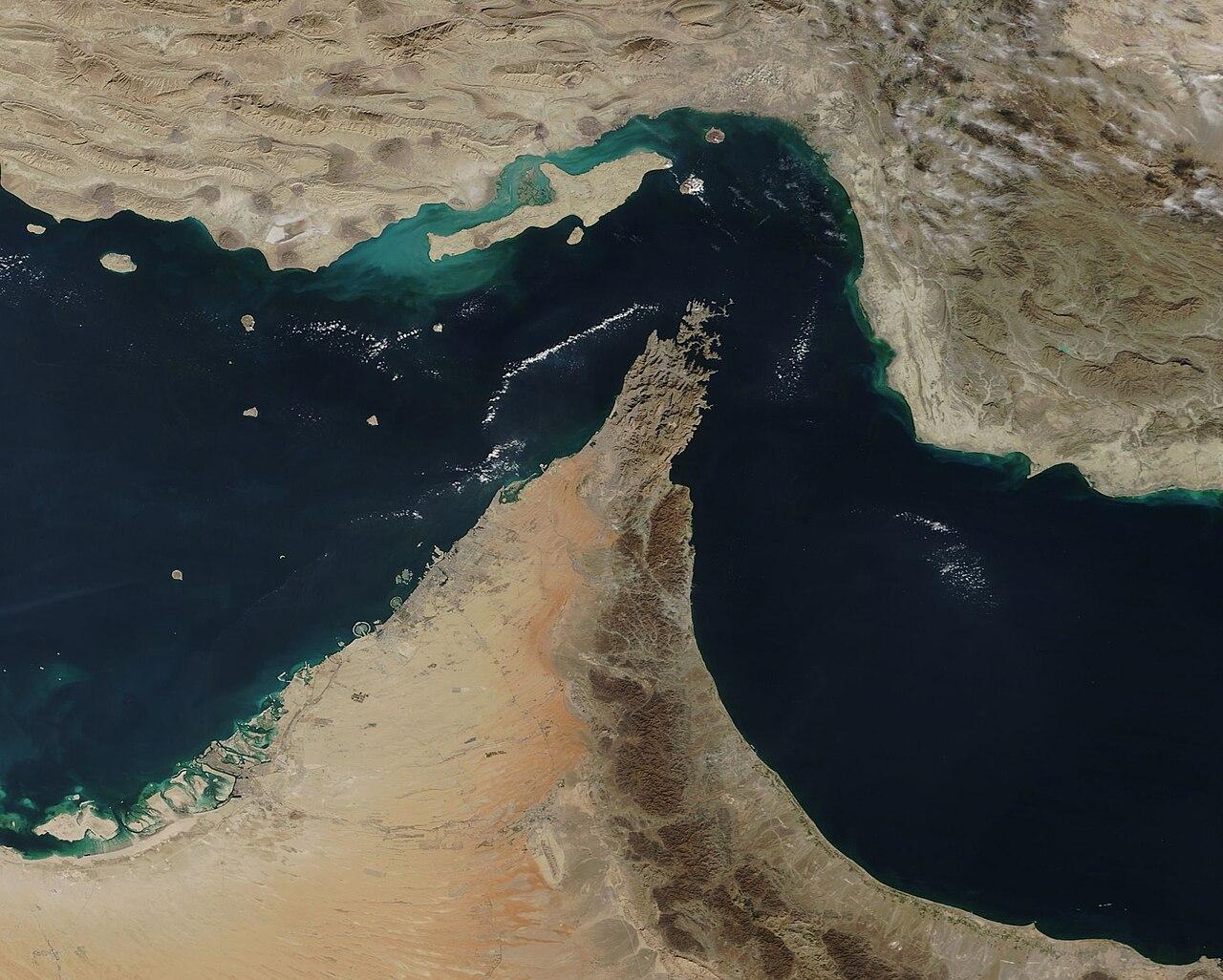
TEHRAN: Reports confirm that Iran has begun laying mines in the strategically significant Strait of Hormuz. Sources indicate that this military operation may escalate tensions in a region critical for global oil shipping. Analysts warn of potential disruptions and increased naval encounters in the area.
TEHRAN: In a move that has raised alarms globally, Iran has commenced laying naval mines in the Strait of Hormuz. Sources within the Iranian military disclosed this operation, stating that it aims to bolster the country's maritime defense amid rising geopolitical tensions in the region. The Strait of Hormuz is known as one of the world's most crucial chokepoints for oil transportation, with approximately 20% of global petroleum passing through its waters.
Iranian officials have justified the move as a necessary measure to protect national interests and sovereignty. An unnamed military spokesperson noted, "We must ensure our waters are secure against any potential threats." Observers interpret this as a response to recent military maneuvers by foreign naval forces in the area and heightened tensions stemming from ongoing sanctions and diplomatic pressures on Iran.
The implications of Iran's mining activities could be severe. Maritime experts warn that the presence of mines could deter commercial shipping and lead to instability in global oil markets. "If mines are detected or vessels hit them, it could spark a broader military confrontation," said Dr. Sarah Malik, a geopolitical analyst. "Shipping routes that rely on this strait need to be vigilant."
As Iran asserts its military presence in the strategic waterway, international stakeholders, including the United States and other allied nations, are keeping a close eye on developments. The significance of the Strait of Hormuz in energy supply chains means that any disruption could have far-reaching consequences not just for the region, but for the global economy as well. The situation remains fluid and underscores the fragile state of peace in the Middle East.
Discussion
Loading comments...