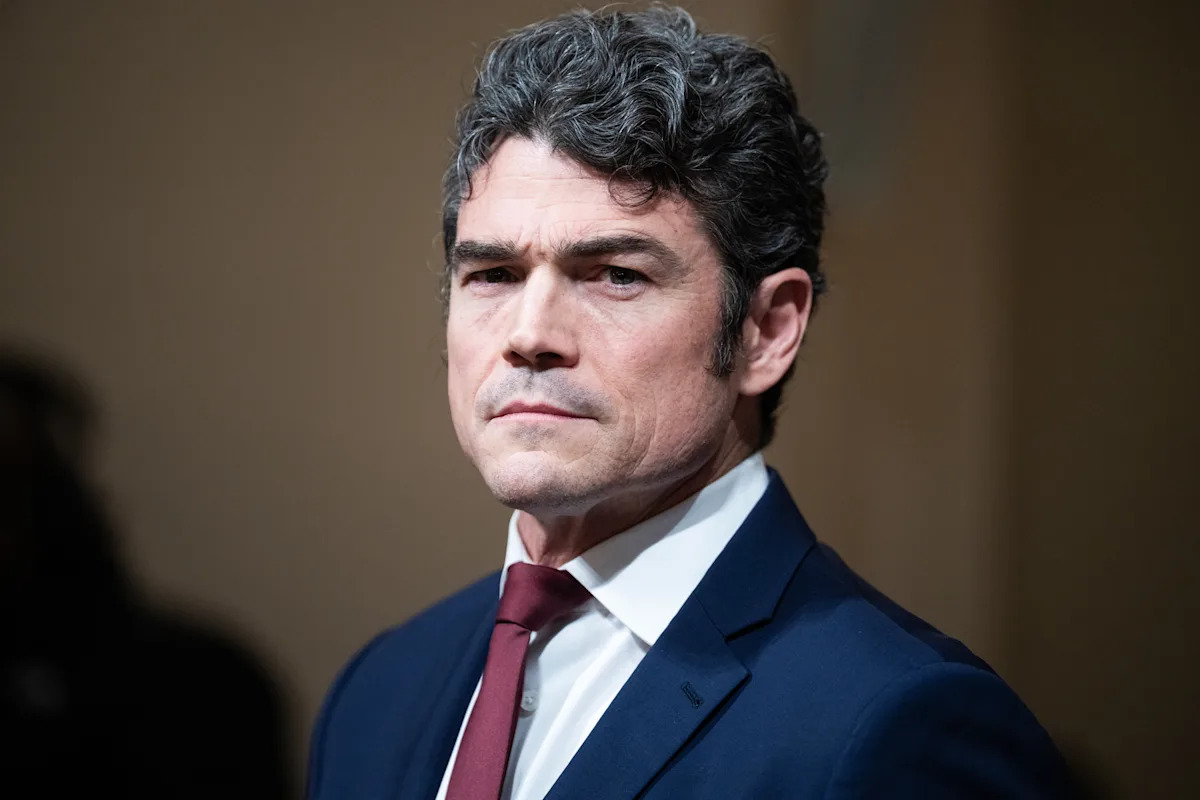
WASHINGTON: Joe Kent, director of the National Counterterrorism Center, resigns in protest against the Trump administration's Iran war. He stated he cannot support a conflict he believes is unjustified and influenced by external pressures. Trump's immediate response claimed Kent was "weak on security."
WASHINGTON: In a bold political move, Joe Kent, the director of the National Counterterrorism Center, announced his resignation on Tuesday, citing a moral objection to President Donald Trump’s ongoing military actions against Iran. Kent, a former Army Ranger and CIA paramilitary officer, expressed that he could not in "good conscience" support a war he asserts does not serve American interests.
Kent articulated his concerns in a statement circulated through official channels and social media, where he argued that Iran does not pose an imminent threat to the United States—a claim the Trump administration has used to justify its actions against the nation. "Iran posed no imminent threat to our nation, and it is clear that we started this war due to pressure from Israel and its powerful American lobby," Kent wrote, invoking his personal experiences as a veteran who has been deployed to combat zones multiple times.
This resignation marks a notable departure from the Trump administration, as it directly relates to the controversial conflict in Iran and underscores the divisions within the Republican Party regarding foreign policy. In his resignation letter, Kent challenged Trump, stating that misinformation campaigns led by influential Israeli officials and segments of the American media have distorted the administration's perception of the situation, pushing for a military response that he believes is not warranted.
“It’s a good thing that he’s out,” Trump retorted, dismissing Kent's objections and reinforcing the narrative that Iran represents a significant risk. The conflict has ignited a broader discussion about the influence of Israel in American politics and the implications for future military engagements.
Kent’s resignation could signal a growing dissent among military and intelligence officials regarding the administration's foreign policy, reacting to what many perceive as a pattern of escalating tensions without clear justification. As Americans increasingly scrutinize the cost of overseas conflicts, Kent's strong stance has resonated, bringing the complexities of war and accountability to the forefront of national discourse.
Discussion
Loading comments...