Raghav Chadha's Anti-Defection Bill Could Have Prevented Political Split
Synced from Source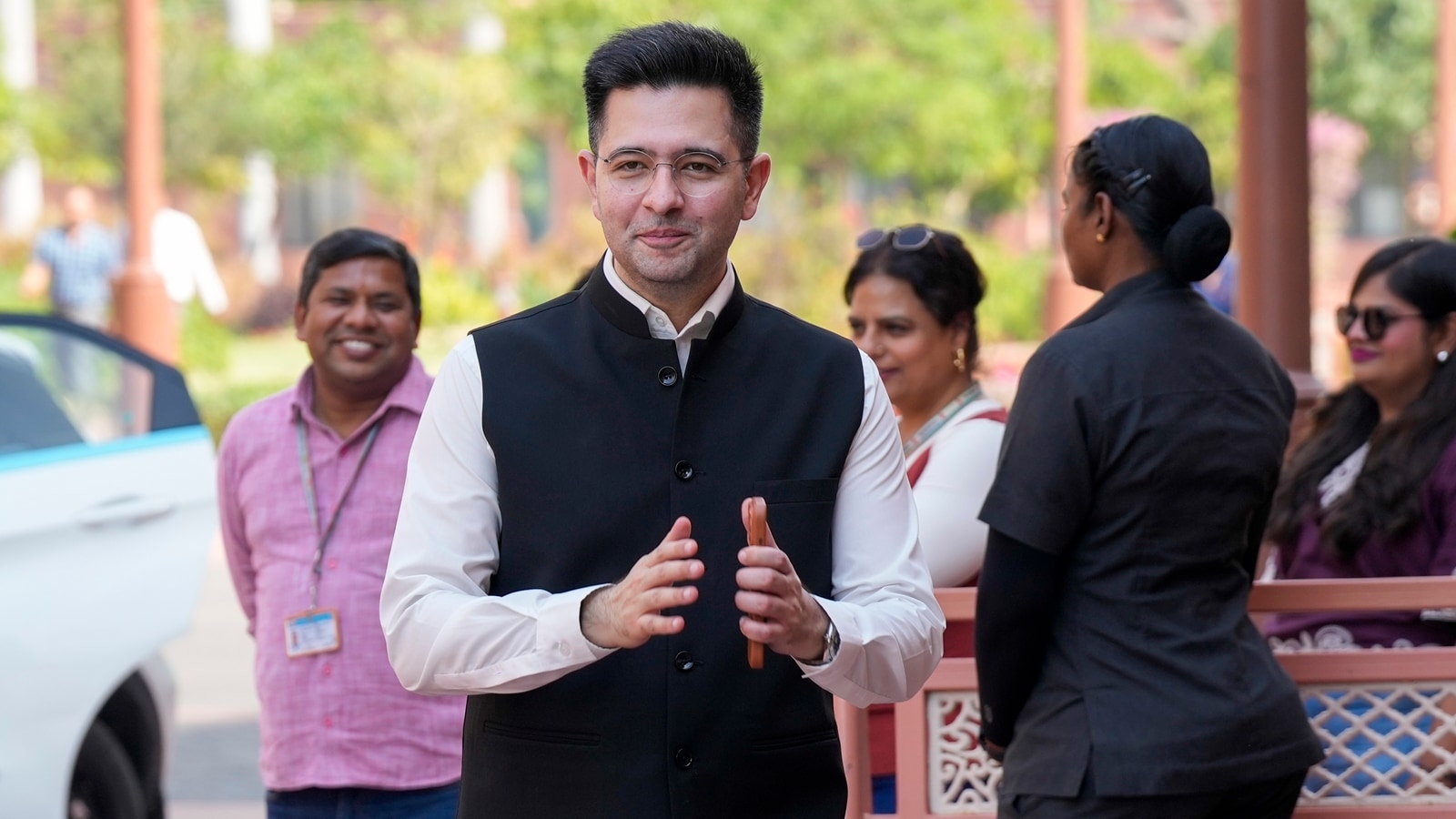
DELHI: Raghav Chadha's proposed anti-defection legislation could have prevented his recent exit from AAP. The Bill sought to increase the merger threshold from two-thirds to three-fourths, thereby complicating defection. Despite its potential significance, the legislation remains pending.
DELHI: Raghav Chadha's recent announcement of defecting from the Aam Aadmi Party (AAP) alongside six other party members marks a pivotal moment in Indian politics. Ironically, this move could have been curtailed if his own proposed anti-defection legislation had been enacted into law. The bill, initially introduced in the Rajya Sabha by Chadha four years ago, aimed to strengthen the existing anti-defection norms in the Constitution.
Had the legislation passed, Chadha would now require the support of seven members from AAP, not six, to legitimize his departure and “merge” with another party, in this case, the Bharatiya Janata Party (BJP). Chadha's proposed Bill sought to amend the anti-defection rules, raising the threshold for any party merger from two-thirds to three-fourths of the legislative strength. It also included provisions to impose a six-year ban on elected representatives who deflect to other parties after their election.
"The rampant misuse of the Tenth Schedule is often a blot on our democracy," Chadha remarked previously, emphasizing the need for stricter measures against political floor crossing. He sought to amend Articles 102 and 191 of the Constitution through this Bill, intending to promote informed lawmaking over raw political maneuvering.
While the proposal was well-received in some quarters, it has since languished in legislative purgatory. Chadha’s office did not respond to requests for comments on his recent departure or the status of the Bill. The political ramifications of his split from AAP and the implications of his unrealized legislation will likely reverberate within Indian politics for the foreseeable future. The fate of this proposed law raises questions about the integrity of political parties and the commitment to uphold the democratic process in India.
Discussion
Loading comments...