Trump Threatens 'Hard Way' for US Control Over Greenland
Synced from Source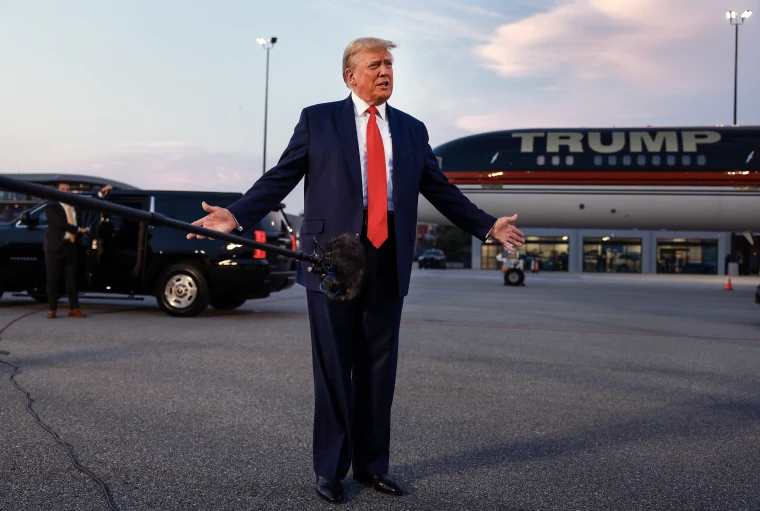
WASHINGTON D.C.: Donald Trump has stirred controversy with comments regarding Greenland, threatening to take control 'the hard way' if necessary. In a recent statement, he expressed the importance of Greenland for US strategic interests and resources. This bold assertion raises questions about America's foreign policy strategy in the Arctic region.
WASHINGTON D.C.: In a startling revelation, former President Donald Trump has suggested that the United States should take control of Greenland "the hard way" if diplomatic efforts fail to secure the territory. During a recent press conference, Trump highlighted the strategic and economic importance of Greenland, arguing that its vast natural resources and geopolitical position are vital for US national security.
"We need Greenland," he asserted emphatically, "and if we don't realize its importance, we could face serious consequences. If we have to take it the hard way, we'll do what's necessary." His words sent shockwaves through political circles, stirring both support and criticism. Trump's assertions are rooted in a past overture where he attempted to purchase Greenland from Denmark, a proposal that was met with ridicule and was ultimately rejected by both parties.
The former President further elaborated that Greenland's significant mineral deposits and ice melting due to climate change could open up new trade routes and resources that the US cannot afford to overlook. "As the ice recedes, shipping lanes will change, and we must position ourselves for the future," he stated. These remarks have sparked a renewed debate on America's role in Arctic geopolitics, especially as tensions rise with both Russia and China in the region.
This controversial stance matters to the average American as it raises questions about the nation's long-term foreign policy strategies. With escalating military and economic competition globally, Trump's comments could signal a shift towards assertive territorial claims in support of American interests. Critics argue that such rhetoric could lead to international conflict or harm diplomatic relations with allies. As the situation unfolds, it remains to be seen how this will shape America's approach to foreign affairs and its standing on the global stage.
Discussion
Loading comments...