Owaisi Claims Umar Khalid's Imprisonment is Congress's Agenda in India
Synced from Source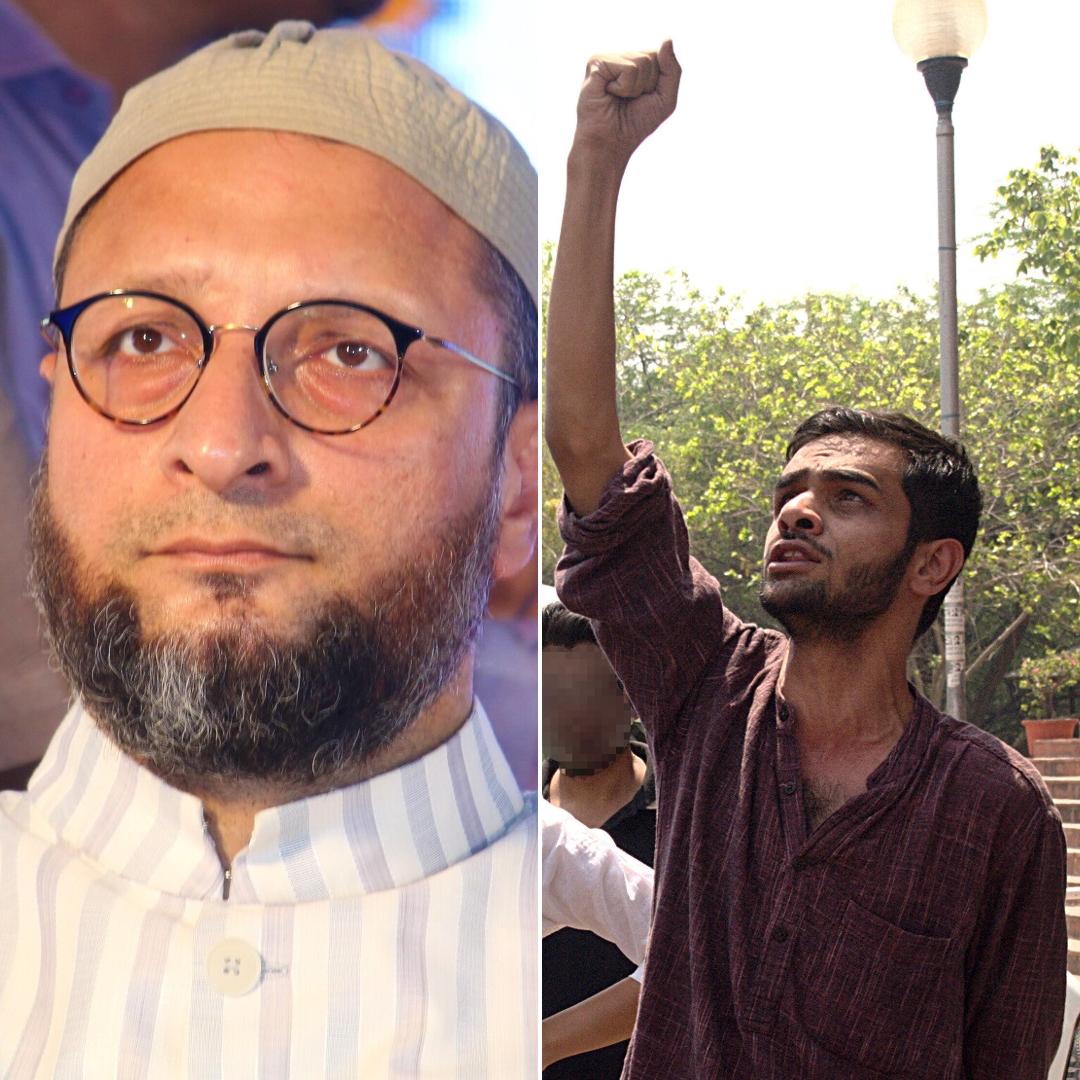
DELHI: Asaduddin Owaisi alleges that the imprisonment of Umar Khalid and Sharjeel Imam is part of a political agenda orchestrated by the Congress party. The AIMIM leader criticized the use of the Unlawful Activities (Prevention) Act to target minorities. Owaisi's remarks shift focus to broader concerns about judicial practices and political motives in India.
DELHI: Asaduddin Owaisi, President of the All India Majlis-e-Ittehad-ul-Muslimeen (AIMIM), has come forward with strong statements regarding the imprisonment of Umar Khalid and Sharjeel Imam, claiming that their detentions are a direct result of a political strategy by the Congress party. Owaisi’s comments come amidst ongoing controversies surrounding the use of the Unlawful Activities (Prevention) Act (UAPA), with many voicing concerns over its implications for civil liberties and minority rights.
During a press conference, Owaisi stated, “The ongoing legal battles faced by Khalid and Imam highlight a larger conspiracy which is politically motivated. The Congress party has historically used laws like the UAPA as tools to suppress dissent, particularly among minority communities." He argued that the allegations against the two activists stem from their vocal stance against the central government and are aimed at silencing voices of opposition.
The context of Owaisi’s claims is significant; both Khalid and Imam rose to prominence during the anti-Citizenship Amendment Act protests in 2019. Their arrests on charges of inciting violence during the Delhi riots are viewed by many as politically charged. Owaisi believes these cases illustrate a broader authoritarian approach to governance, where laws like the UAPA are deployed disproportionately against marginalized groups.
This situation has far-reaching implications for the common citizen, particularly in terms of their rights to protest and express dissent. Under the increasing scrutiny of anti-terror laws, activists fear that the balance of justice is shifting, leading to a chilling effect on democratic participation. Owaisi’s comments are likely to resonate within the political discourse, drawing attention to the ongoing debates about freedom, justice, and the political use of legal frameworks in India.
Discussion
Loading comments...