Taliban Legalizes Domestic Violence in Afghanistan
Synced from Source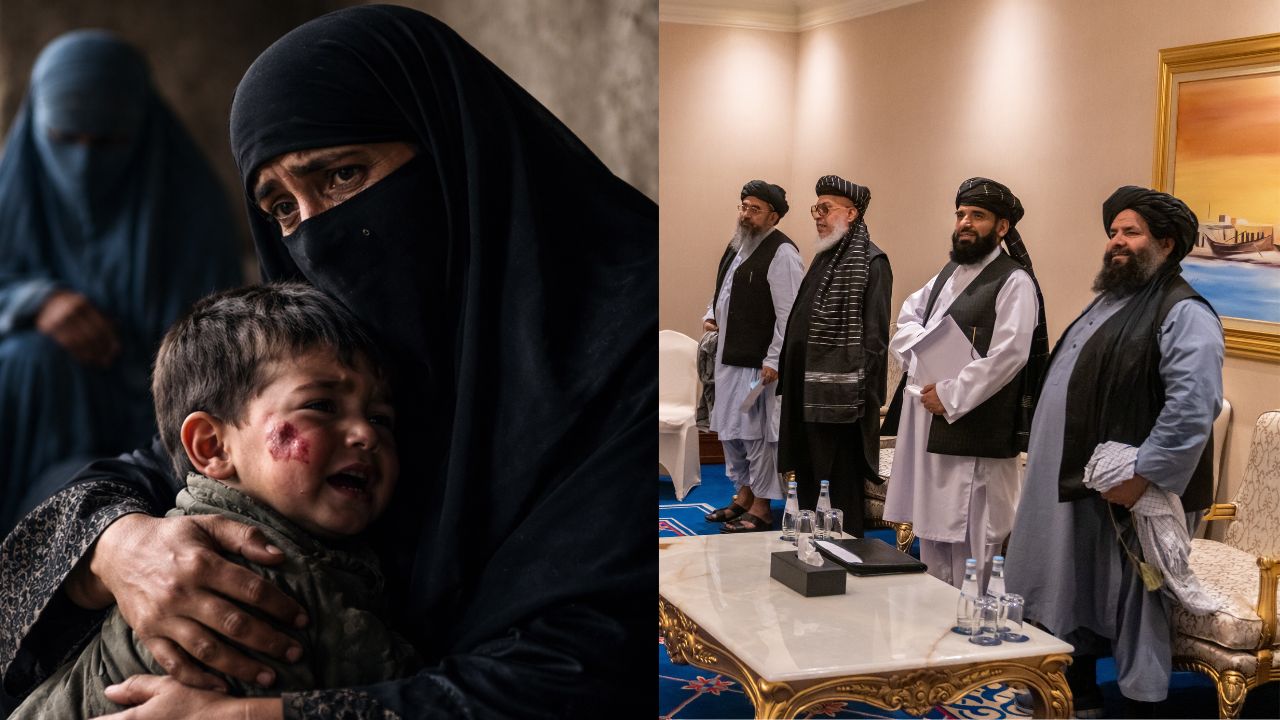
NEW DELHI: The Taliban's new penal code in Afghanistan legalizes domestic violence against women and children as long as it doesn't result in severe physical injuries. The law, signed by Taliban leader Hibatullah Akhundzada, severely undermines women's rights and protections, allowing husbands to inflict harm without significant legal repercussions. Human rights groups warn that this move endangers the safety and dignity of countless Afghan families.
NEW DELHI: The Taliban has unveiled a controversial new penal code in Afghanistan, essentially legalizing violence against women and children under certain conditions. Signed by Taliban Supreme Leader Hibatullah Akhundzada, the 90-page document allows husbands to inflict physical harm on their wives and children, as long as it does not result in "broken bones or open wounds." This alarming development is seen as a drastic regression in the rights afforded to women and children in the country.
Beneath the surface of the Taliban's new legal framework lies a problematic approach to violence and abuse, with no provisions for preventing mental or sexual abuse. In cases of physical violence, the law stipulates only a 15-day jail sentence for perpetrators, while the burden of proof falls squarely on the victims. Legal advisors have lamented how challenging it has become for women to seek justice, as they often must appear in court accompanied by a male guardian—further complicating their ability to report domestic abuse. In a disturbing case, a woman who attempted to file a complaint after being assaulted by a Taliban guard was turned away simply because she could not produce a male accomplice.
Under the new code, women are viewed as the property of their husbands, and previous safeguards against violence, such as the Elimination of Violence Against Women (EVAW) law, have been rescinded. This has reignited fears regarding women’s rights in a country where educational and workplace opportunities have already been significantly curtailed. Secondary education for girls is virtually nonexistent, and many women find themselves cut off from job opportunities and public spaces, directly impacting their capacity to support themselves and their families.
Healthcare access also remains a critical concern, with prohibitions on treatment by male doctors and a lack of female health professionals further exacerbating existing barriers. Reports indicate that many women are left unable to obtain necessary medical care due to systemic discrimination and fear. As Afghanistan continues to grapple with the Taliban's oppressive governance, countless women and children face an uncertain and perilous future.
Discussion
Loading comments...