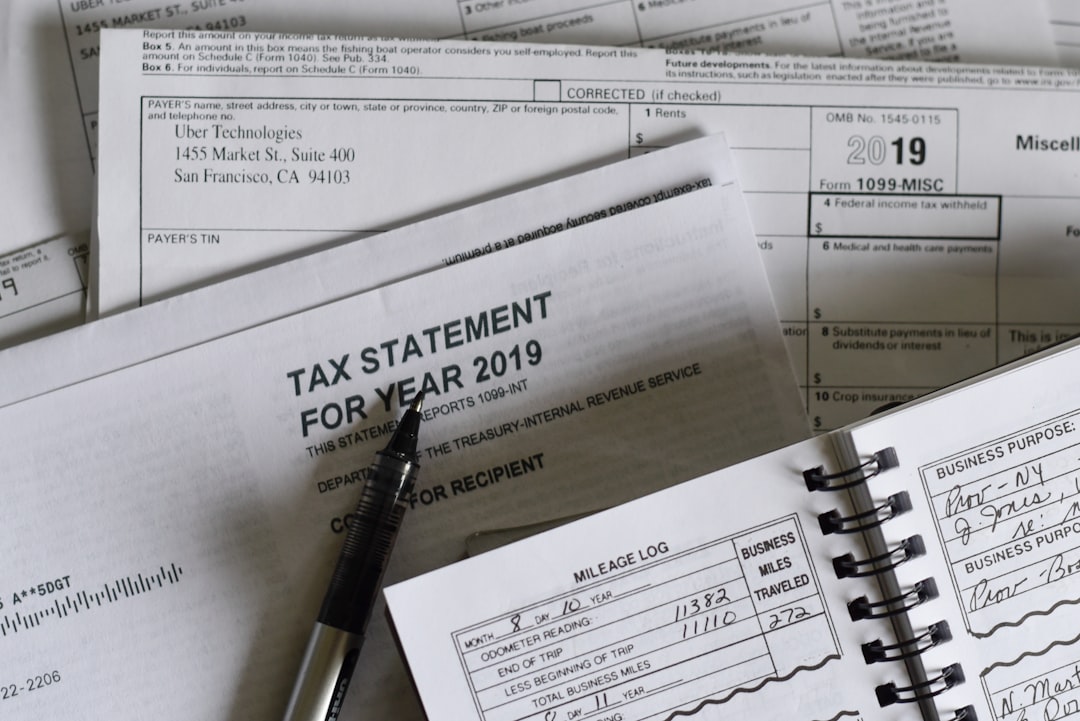
NEW DELHI: The Indian government has released draft rules for a new Income Tax Act, inviting public feedback. The comprehensive overhaul aims to simplify tax regulations and align with modern economic practices. Stakeholders are encouraged to participate as the government seeks to refine the proposed guidelines.
NEW DELHI: In a significant move towards tax reform, the Indian government has unveiled draft rules for a new Income Tax Act, encouraging public participation in the legislative process. The announcement came as part of a larger strategy aimed at modernizing the tax framework to enhance compliance and efficiency.
The new act seeks to simplify the tax structure while ensuring that it is more transparent and fair for the average citizen. "Our objective is not just to reform the tax regime but to encourage responsible tax behavior amongst citizens while ensuring that our framework is conducive to growth," remarked a senior official from the Finance Ministry. This initiative has been praised by economic experts who argue that a simpler tax code could reduce avoidance and bolster revenue collection.
The government is particularly keen on gathering feedback from a diverse array of stakeholders, including tax professionals, businesses, and the general public. This collaborative approach underscores the administration's commitment to inclusivity, allowing for modifications that take into account the voices of those affected by tax laws. They have made a portal available for submissions, emphasizing the importance of collective input in shaping a robust tax system.
This development holds significant importance for the average Indian taxpayer, as the anticipated changes may lead to a more straightforward filing process and potentially lower tax burdens. Furthermore, as the economy continues to grapple with post-pandemic recovery, optimizing tax legislation could provide the necessary stimulus for growth. Thus, the government's call for public feedback serves not only as a legal formality but as a genuine effort to embrace public opinion in policymaking, setting a precedent for future legislative endeavors in India.
Discussion
Loading comments...