Bangladesh's BNP Dismisses Sheikh Hasina's Influence on India Relations
Synced from Source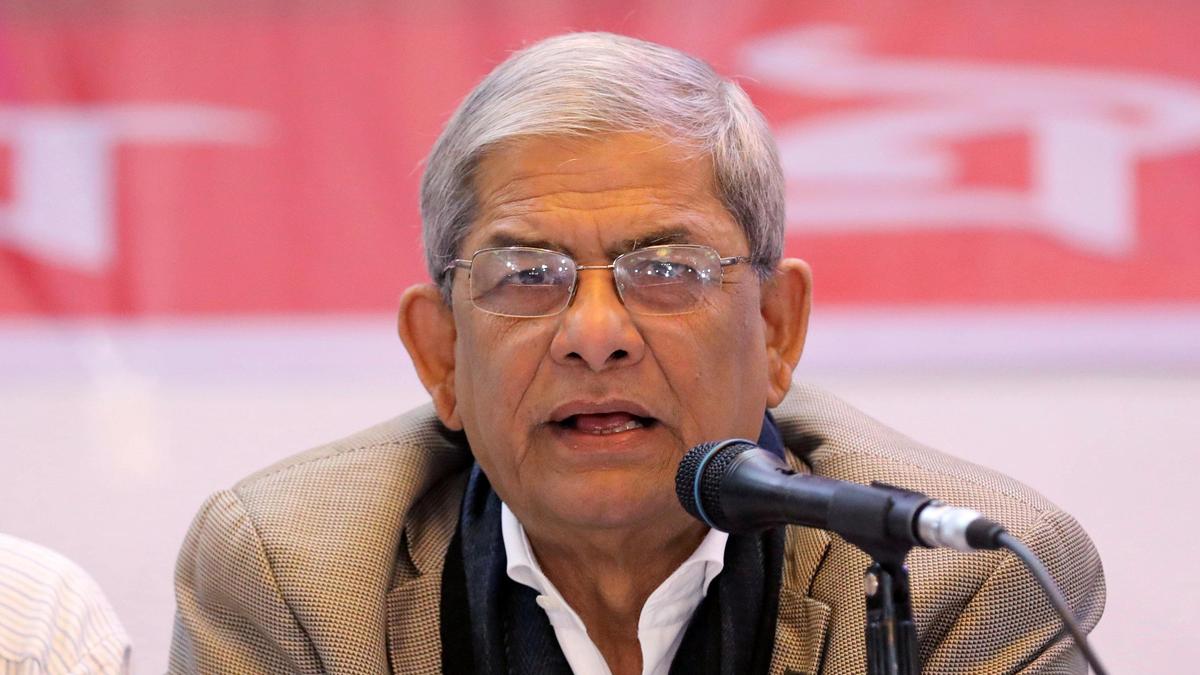
DHAKA: Bangladesh Nationalist Party General Secretary Mirza Fakhrul Islam Alamgir stated that Sheikh Hasina's presence in India will not harm broader relations between India and Bangladesh. He emphasized the need for continued partnership despite political tensions and called for reconciliation rather than conflict between the two nations.
DHAKA: The Bangladesh Nationalist Party (BNP) has underscored that the presence of deposed Prime Minister Sheikh Hasina in India will not hinder ongoing relations or future collaborations between India and Bangladesh. In an exclusive interview, General Secretary Mirza Fakhrul Islam Alamgir stated that despite serious accusations against Hasina regarding human rights violations, Bangladesh will not become “captive” to any single issue affecting its ties with India.
Alamgir emphasized the need to advance mutual interests, including trade and economic development, irrespective of the political situation surrounding Hasina. "The broader India-Bangladesh relationship should not be overwhelmed by isolated events," he affirmed. He pointed to international parallels, noting that "even countries like America and China navigate their complications while cooperating on numerous fronts, and we can do the same."
With the backdrop of political unrest following the uprising of 2024, Mirza Fakhrul Islam Alamgir stressed that the BNP plans to pursue a constructive pathway. He indicated that while calls for India to hand over Sheikh Hasina and her party members persist, he believes that punitive measures should not compromise bilateral cooperation. "It’s crucial that we focus on collaboration in areas like trade, infrastructure, and education," he added, pointing out the potential for India’s expertise in technical education to benefit Bangladesh’s youth.
Highlighting the necessity for open dialogue, Alamgir stated, “We can't fight a war with India; we need to talk.” His comments come alongside proposals for a 31-point agenda aimed at enhancing positivity in bilateral ties. He urged for more discussions on significant issues like water resource management and border security, underscoring that dialogue, rather than hostility, is essential for a healthy democratic environment in Bangladesh.
Alamgir’s perspective reflects a nuanced approach to a historically complex relationship, aiming to bridge divides and focus on common goals for the benefit of both Bangladesh and India.
Discussion
Loading comments...