Iran Faces Uprising Amid Internet Blackout and Protests
Synced from Source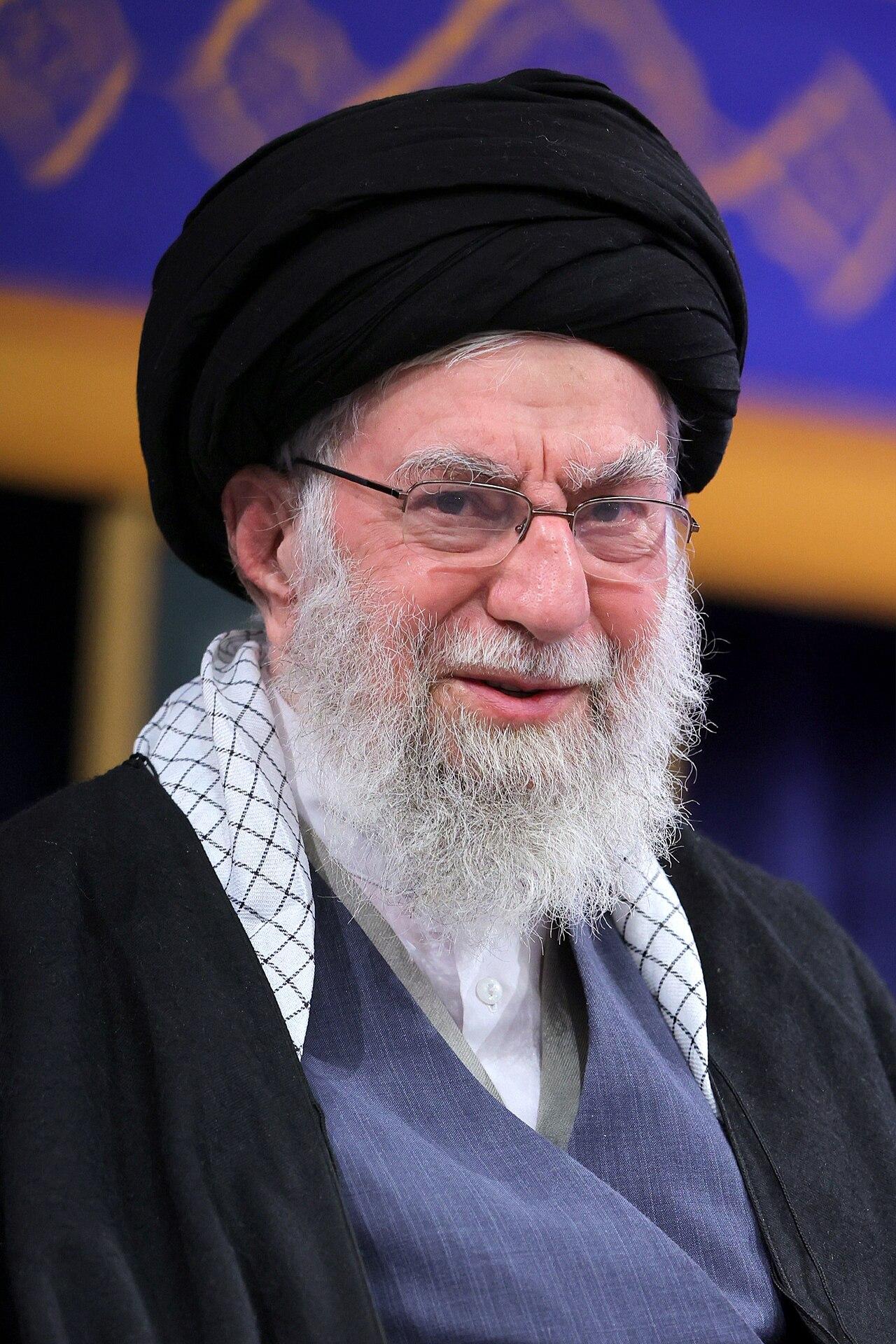
TEHRAN: Protests have erupted across Iran as a nationwide internet blackout intensifies. Human rights groups report security forces targeting and killing civilians, escalating tensions. Calls for regime change echo throughout the protests, which have been fueled by economic hardship and external pressures.
TEHRAN: Iran has plunged into turmoil as protests erupt nationwide amid a stringent internet blackout imposed by the government. With civilians taking to the streets in their tens of thousands, human rights groups report alarming instances of violence, including reports of security forces killing protesters and detaining hundreds. The situation escalated further during protests that took place last night, particularly in the capital city of Tehran, where demonstrators chanted "death to the dictator," referring to Supreme Leader Ayatollah Ali Khamenei.
Reports indicate that these protests, which began less than two weeks ago, sparked from deep-seated grievances over a failing economy. With inflation skyrocketing to nearly 50% and the national currency, the rial, losing almost half its value in recent months, Iranians have expressed their discontent through rallies and destructive demonstrations. Eyewitness accounts reveal that people are pulling down statues of past leaders and even igniting mosques, showcasing the growing extent of their anger and desperation for change. Exiled figures, notably Reza Pahlavi, son of Iran's former Shah, have openly supported the protesters, albeit with uncertain levels of influence among the demonstrators.
The government's response has been increasingly heavy-handed. In a recent address, Khamenei warned that the protesters were acting against national interests and claimed they were attempting to please U.S. President Donald Trump. The implications of U.S. policy loom large over the unrest, as protests occur at a time of heightened external pressures with military actions against Iranian personnel reported.
Gissou Nia, a senior fellow at the Atlantic Council and human rights lawyer, noted a critical difference in the current protests compared to past uprisings. "This time, the regime appears particularly weak, facing both civil unrest and the threat of external military intervention," she stated. Meanwhile, President Trump positioned the U.S. as a potential ally for the protesters, stating that the U.S. would respond harshly if Iranian forces continued to kill demonstrators.
While many protests in the past have fizzled after initial bursts of violence, the current wave comes at a time of significant governmental instability. The situation remains precarious, as the world watches closely to see whether the dissatisfaction of the Iranian people will lead to meaningful change or continue to be met with severe repression.
Discussion
Loading comments...