Delhi High Court to Hear CBI Challenge Against Arvind Kejriwal Discharge
Synced from Source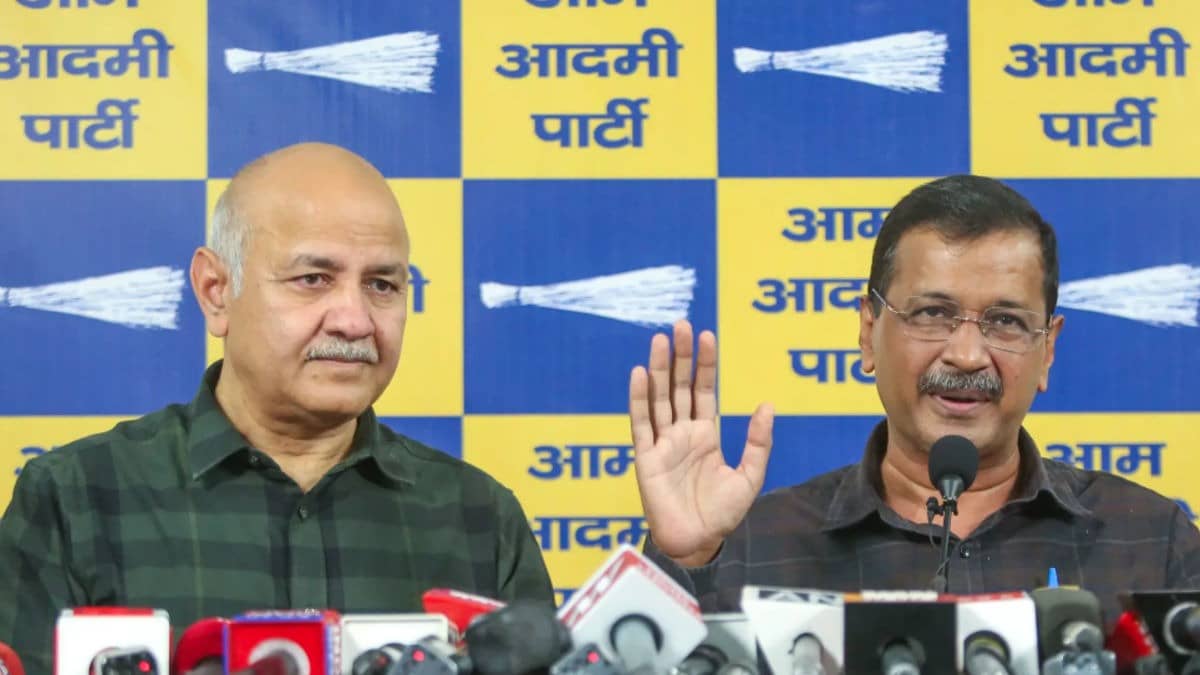
NEW DELHI: The Delhi High Court will hear the Central Bureau of Investigation's plea on March 9, which challenges the discharge of Arvind Kejriwal and other accused in the excise policy case. A trial court discharged all 23 accused, indicating that the CBI's theory of conspiracy lacked substantial evidence. This has raised questions regarding the CBI's investigation methods.
NEW DELHI: The Delhi High Court is set to hear a significant plea from the Central Bureau of Investigation (CBI) on March 9, challenging the trial court's decision to discharge 23 accused individuals, including former Chief Minister Arvind Kejriwal and former Deputy Chief Minister Manish Sisodia, in the high-profile Delhi excise policy case. This hearing follows a ruling made on February 27 by a Special Court, which determined that the case lacked sufficient evidence to sustain charges against the accused.
The upcoming proceedings will be presided over by Justice Swarna Kanta Sharma, as noted in the High Court's cause list. The CBI is seeking to overturn the Special Court's discharge order relative to the now-scrapped Delhi Excise Policy 2021-22. The Special Court, under the presiding Judge Jitender Singh, concluded that the prosecution had not presented a case that would meet the legal threshold for a conspiracy charge and suggested that the prosecution's assertions appeared to be largely speculative, unsupported by robust evidence.
The Special Court's ruling was met with some controversy, particularly regarding the CBI's investigative techniques. It expressed concerns about the appropriateness of using statements from an approver (a witness who obtains immunity in exchange for testimony) as a key element of their case. The judge noted that leaning heavily on such testimony could violate constitutional rights, compelling a potential inquiry into the conduct of CBI officials involved.
The case centers on allegations of corruption linked to the Delhi Excise Policy instituted by the Aam Aadmi Party (AAP) government, which the CBI claims was crafted to benefit select private liquor licensees, thereby resulting in kickbacks and financial loss to the Delhi government. This legal battle not only affects the political landscape but also raises crucial discussions on accountability and transparency within government policies, impacting citizens' trust in their elected officials.
Discussion
Loading comments...