India Supreme Court To Hear Sabarimala Case From April 7
Synced from Source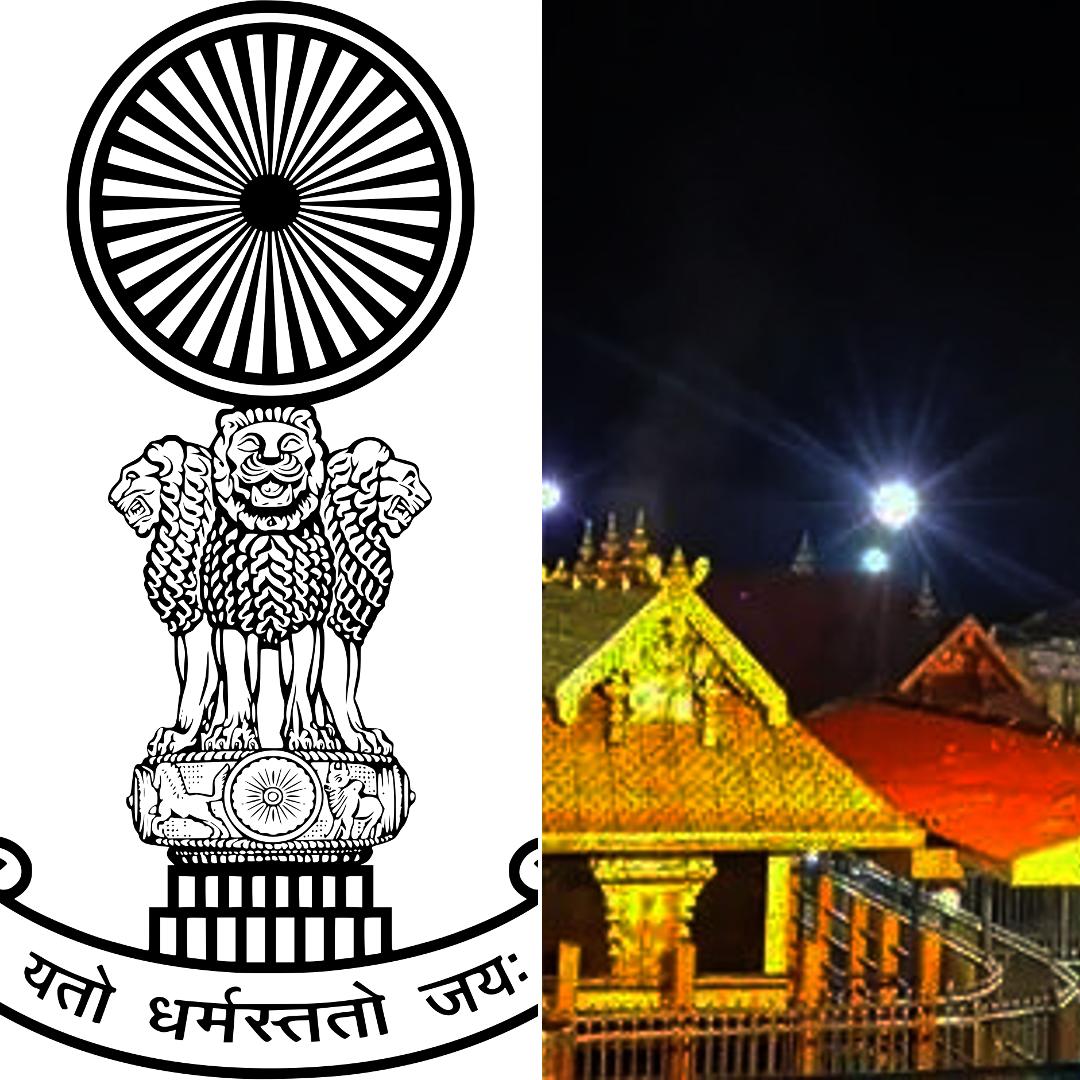
NEW DELHI: The Supreme Court of India has announced that a nine-judge bench will begin hearing the significant Sabarimala reference issues starting April 7. This pivotal case will address questions related to religious rights and gender equality, with potential implications for temple access rules. The judiciary's decision is highly anticipated by various groups with vested interests in the outcome.
NEW DELHI: In an important judicial development, the Supreme Court of India is set to convene a nine-judge bench on April 7 to deliberate on critical issues concerning the Sabarimala temple. This case has become a focal point in the ongoing debate over women's rights and religious freedoms in India, particularly after a controversial ruling in 2018 that allowed women of all ages to enter the temple.
The Sabarimala temple, located in Kerala, has long been associated with restrictions on women's entry, especially for those of menstruating age. The previous court decision was met with fierce opposition from traditionalists, leading to significant protests and discussions surrounding religious practices and women's rights. The challenges to the 2018 ruling have resulted in this landmark reference to the larger bench, aimed at addressing the complex interplay of constitutional rights and religious customs.
Legal experts anticipate that the nine-judge bench will explore several key questions, such as the constitutionality of gender-based restrictions in religious places and the extent to which religious practices can supersede fundamental rights guaranteed under the Constitution of India. Commenting on the implications of this case, legal scholar Anand Rao remarked, “This is a historic moment for the interpretation of laws related to religious freedoms and gender equality. The verdict will have repercussions beyond the Sabarimala temple.”
The hearing is expected to attract significant public and media interest, reflecting the diverse opinions on the matter. It is crucial for the Indian populace, as the outcome may not only reshape access to Sabarimala but also provide a precedent for resolving similar conflicts across India’s myriad religious practices. With ongoing societal shifts towards greater equality, many view the impending decision as a groundbreaking step toward a more inclusive understanding of religious freedoms. The court's judgment will be looked upon as pivotal in balancing individual rights with collective religious sentiments.
Discussion
Loading comments...