Iran Denounces Trump's Ultimatum to Reopen Strait of Hormuz
Synced from Source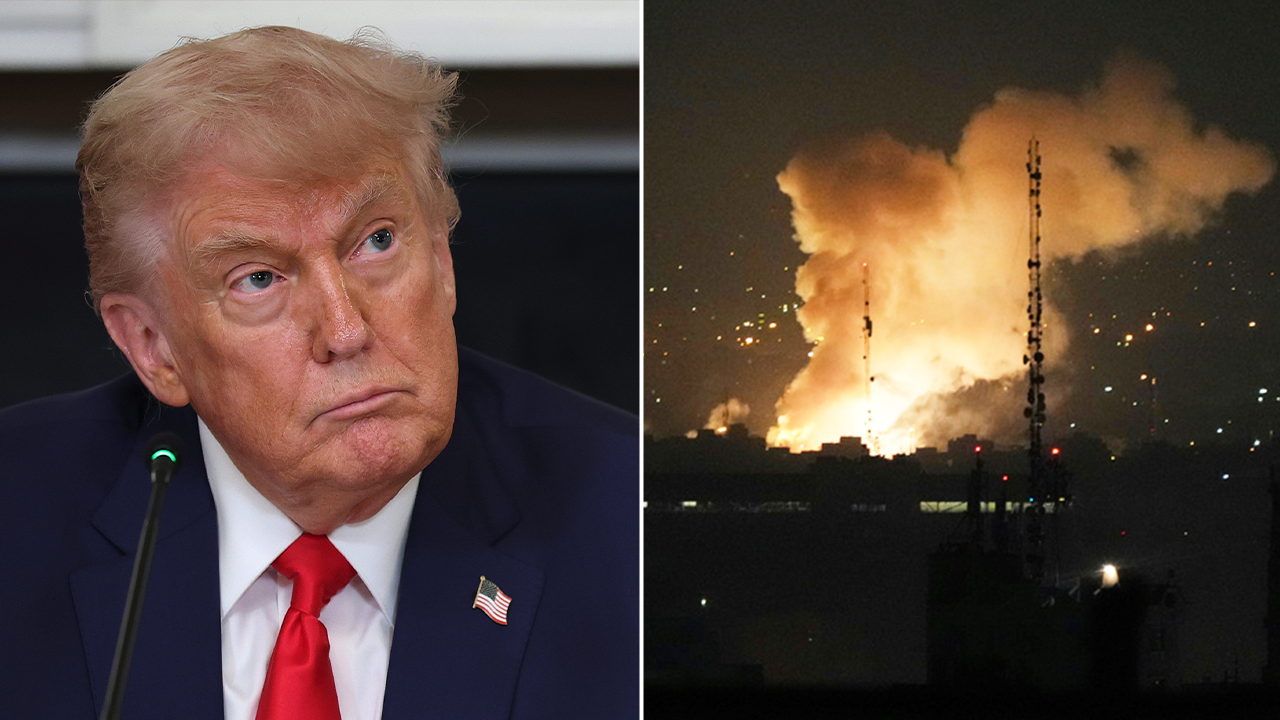
TEHRAN: Iran has firmly rejected President Donald Trump's 48-hour ultimatum to reopen the strategic Strait of Hormuz, describing the threat as "helpless." Iranian officials emphasized that any such demands would lead to severe consequences, igniting further tensions in the region. The rejection underscores the ongoing geopolitical strife surrounding the vital oil route.
TEHRAN: In a bold statement filled with defiance, Iranian officials swiftly rejected President Donald Trump’s 48-hour ultimatum demanding the reopening of the Strait of Hormuz. Foreign Minister Mohammad Javad Zarif emphasized that any attempts to coerce Iran would culminate in “the gates of hell opening for you.”
The Strait of Hormuz, a crucial artery for global oil transport, has been a focal point in U.S.-Iran tensions. Just days ago, Trump threatened actions designed to ensure freedom of navigation in the strait, claiming Iran's recent seizures of vessels in the area were maritime provocations. “This ultimatum reflects your helplessness and desperation,” Zarif stated in a press conference, directly addressing the U.S. administration’s stance.
Experts warn that the rejection of this ultimatum signals not just Iran’s unwavering position but also risks escalating tensions in a region already fraught with conflict. By refusing to comply with Trump's demands, Iran showcases its resistance to perceived outside interference, reinforcing its national narrative of sovereignty and resilience.
The implications of this confrontation are significant. Global oil markets are already sensitive to fluctuations in Middle Eastern stability, and an escalation could lead to strategic repercussions for countries reliant on oil shipments. More broadly, this scenario illustrates the precarious balance of power within the Middle East, which critics argue has been exacerbated by unilateral U.S. policies under Trump's administration.
As international leaders call for restraint, the world watches closely to see how this latest escalation will unfold, particularly in the wake of growing military presence in the region. Iran's firm stance underscores its commitment to what it describes as national integrity.
Discussion
Loading comments...